Cloud Portability and Data Ownership: Lessons from the EU Data Act
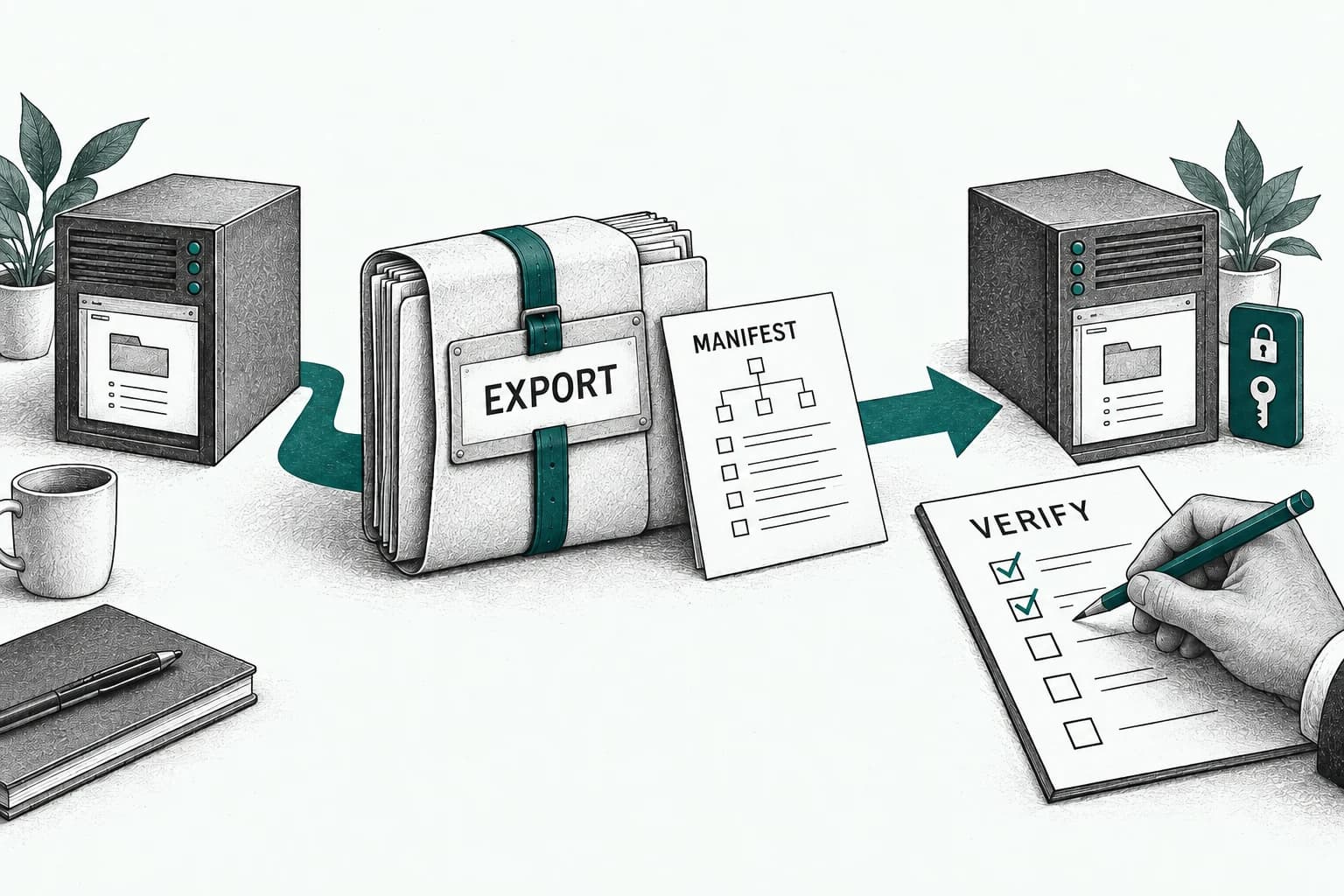
The EU Data Act turns cloud switching and connected-product data access into operational questions about export, dependencies, contracts, identity, and testing.
Read articleCommunications Manager · BS (Hons.) in Management Sciences (Marketing), MPhil in Development Studies
LedgerByte Communications Manager translating finance and technology research into practical guidance for growing businesses.
The EU Data Act turns cloud switching and connected-product data access into operational questions about export, dependencies, contracts, identity, and testing.
Read articlePost-quantum migration starts with knowing where cryptography protects long-lived data, identity, software, devices, vendors, and communications.
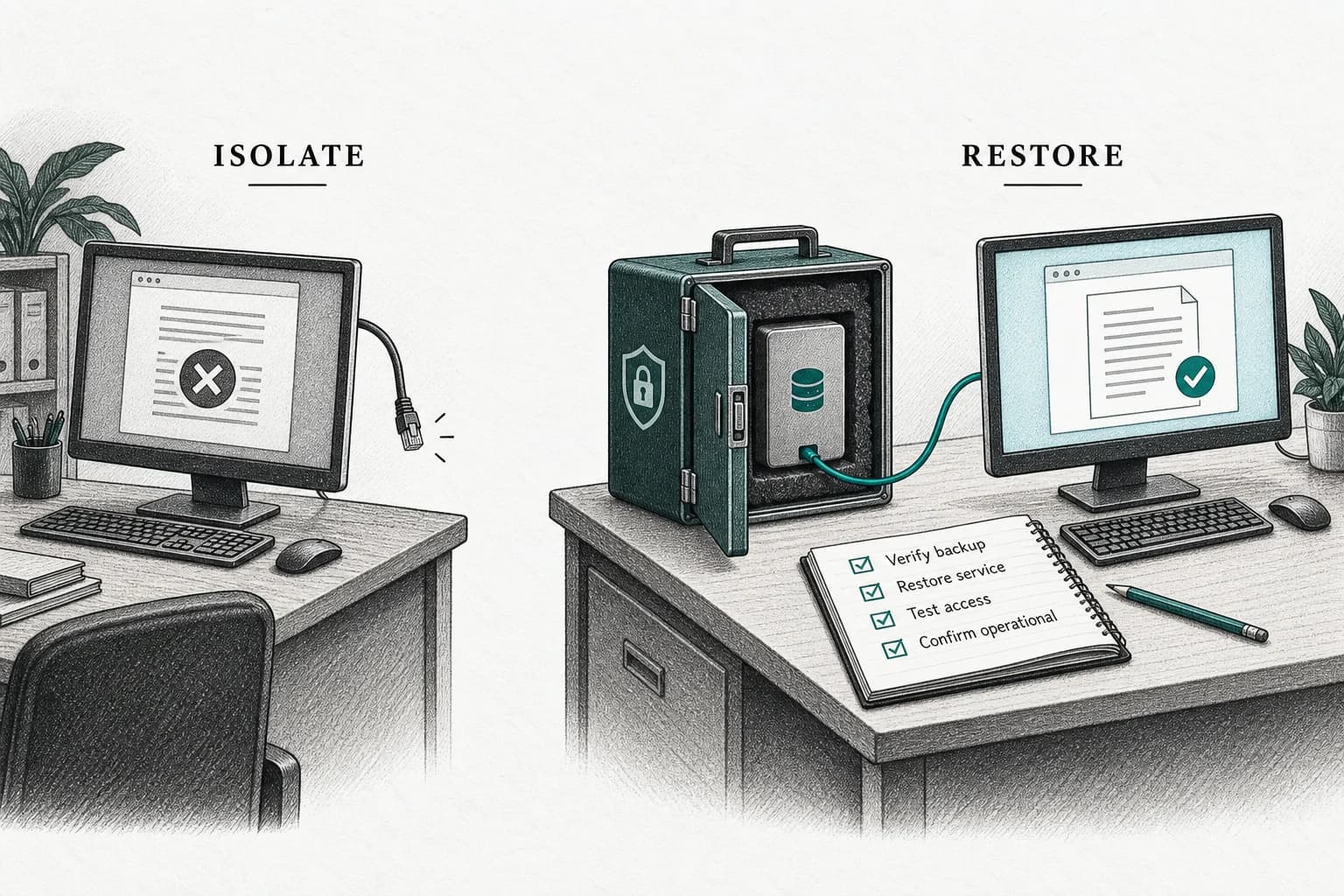
Read articleRansomware resilience combines protected backups, phishing-resistant identity, patching, segmentation, useful logs, rehearsed response, and tested recovery.
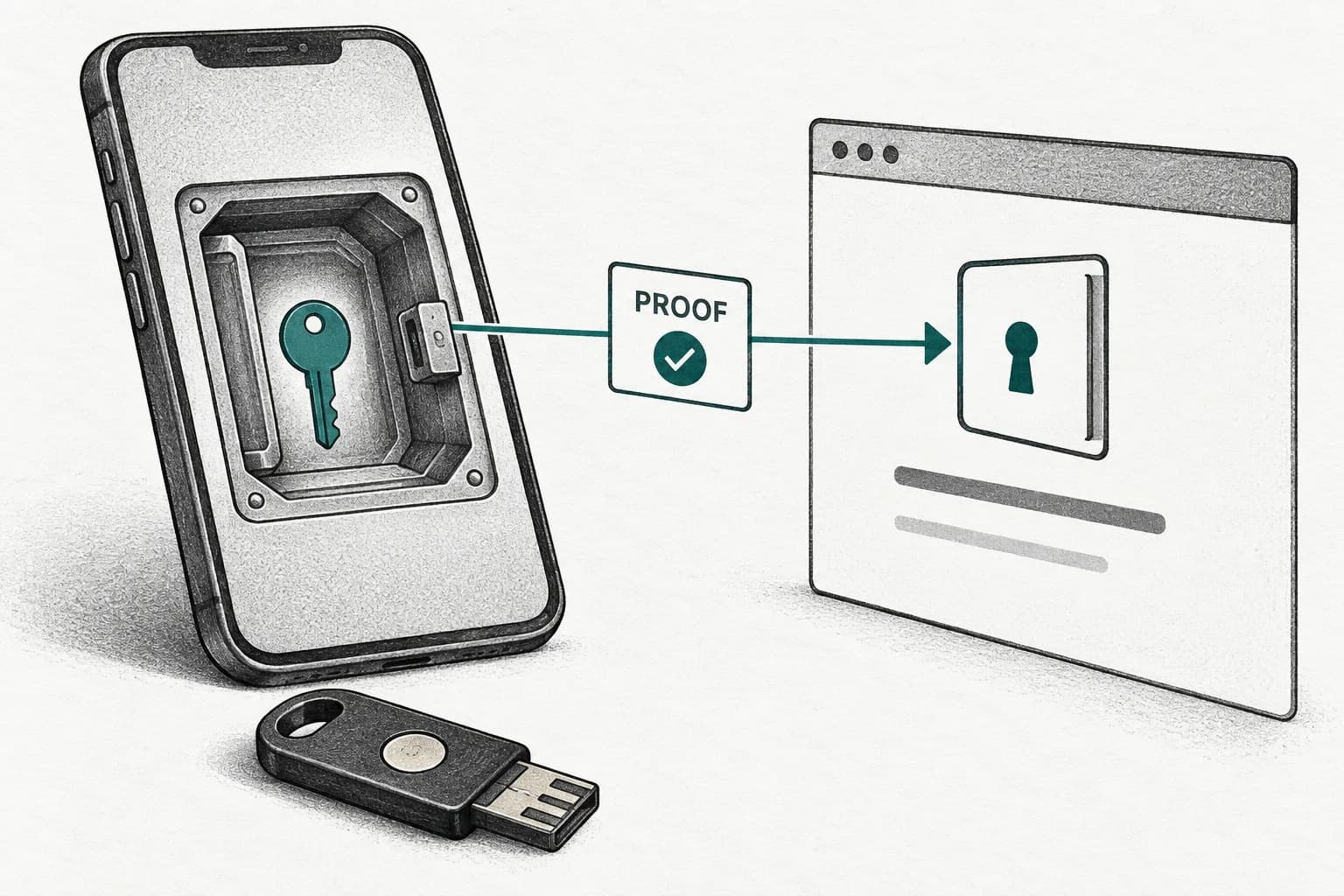
Read articlePasskeys can reduce phishing and password reuse, but SMEs need account recovery, device coverage, identity assurance, rollout support, and secure fallback.
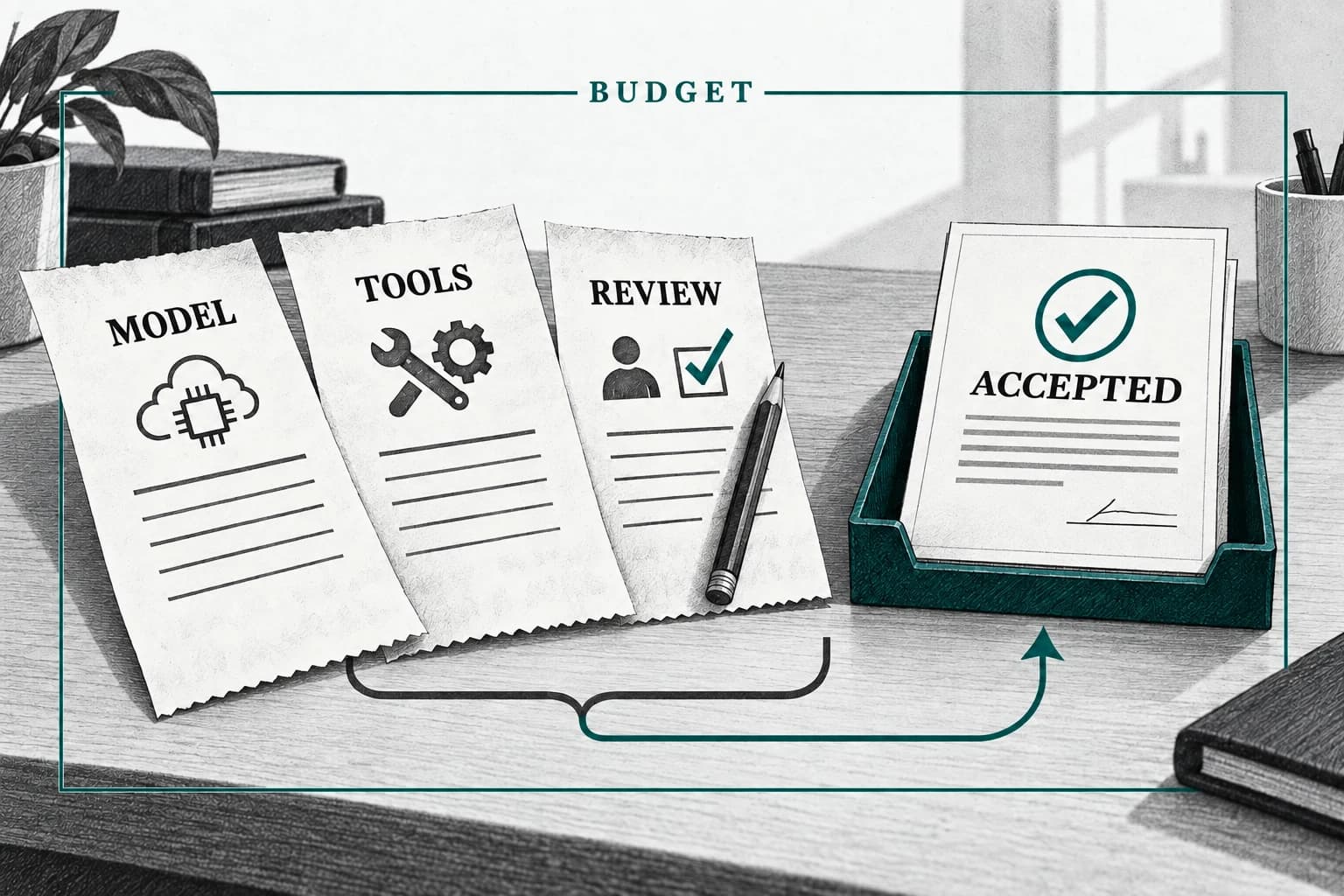
Read articleAI cost control links model and infrastructure consumption to an accountable workflow, measurable outcome, quality threshold, budget, and optimization cycle.
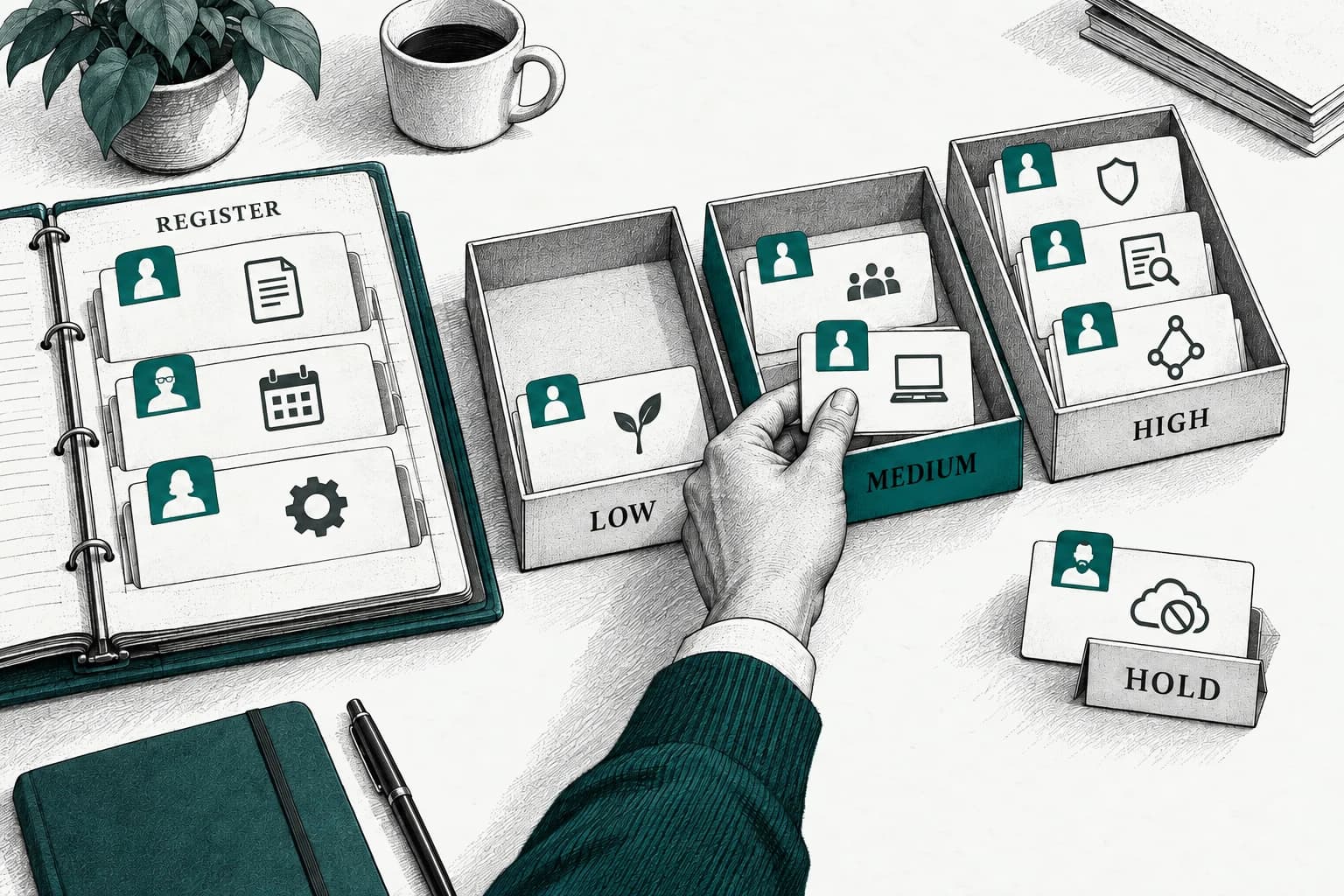
Read articleSMEs can govern AI with a small use-case register, clear owners, risk tiers, data rules, evaluations, human decisions, monitoring, and retirement criteria.
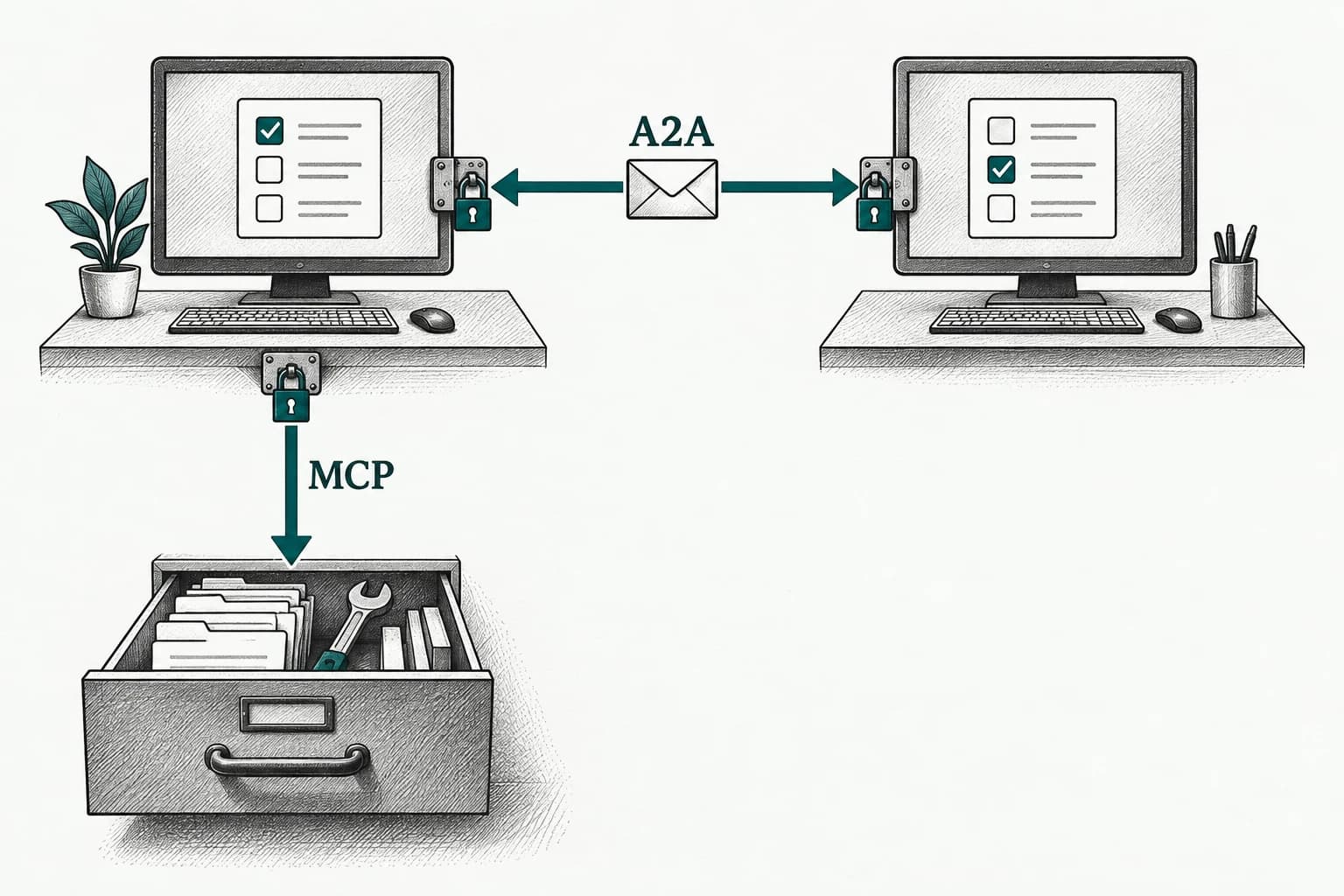
Read articleMCP standardizes how AI applications reach tools and context; A2A standardizes collaboration between agents. Neither replaces identity, policy, or security.
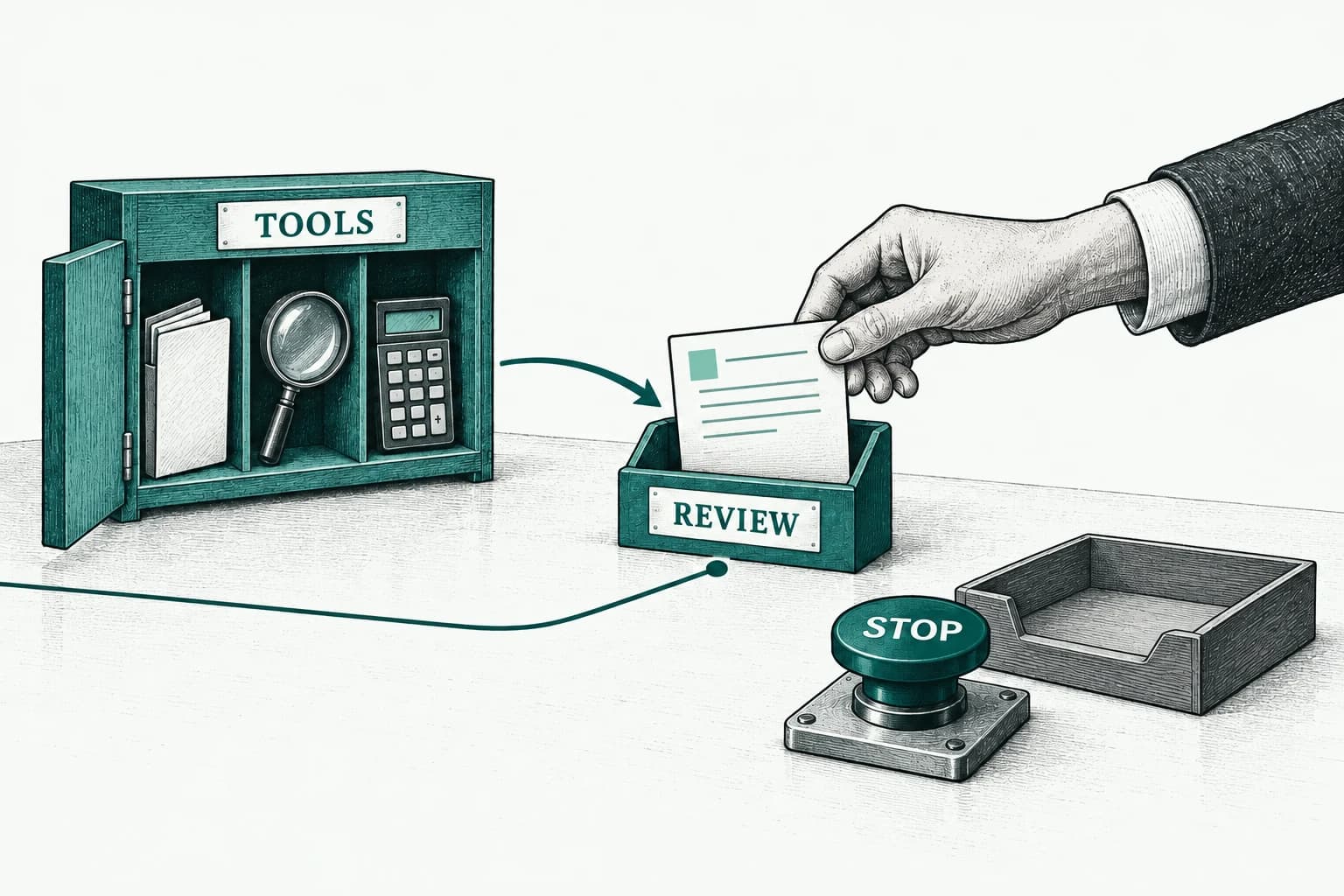
Read articleAI agents can coordinate multi-step work across tools, but SMEs should constrain permissions, preserve human decisions, test failures, and measure outcomes.
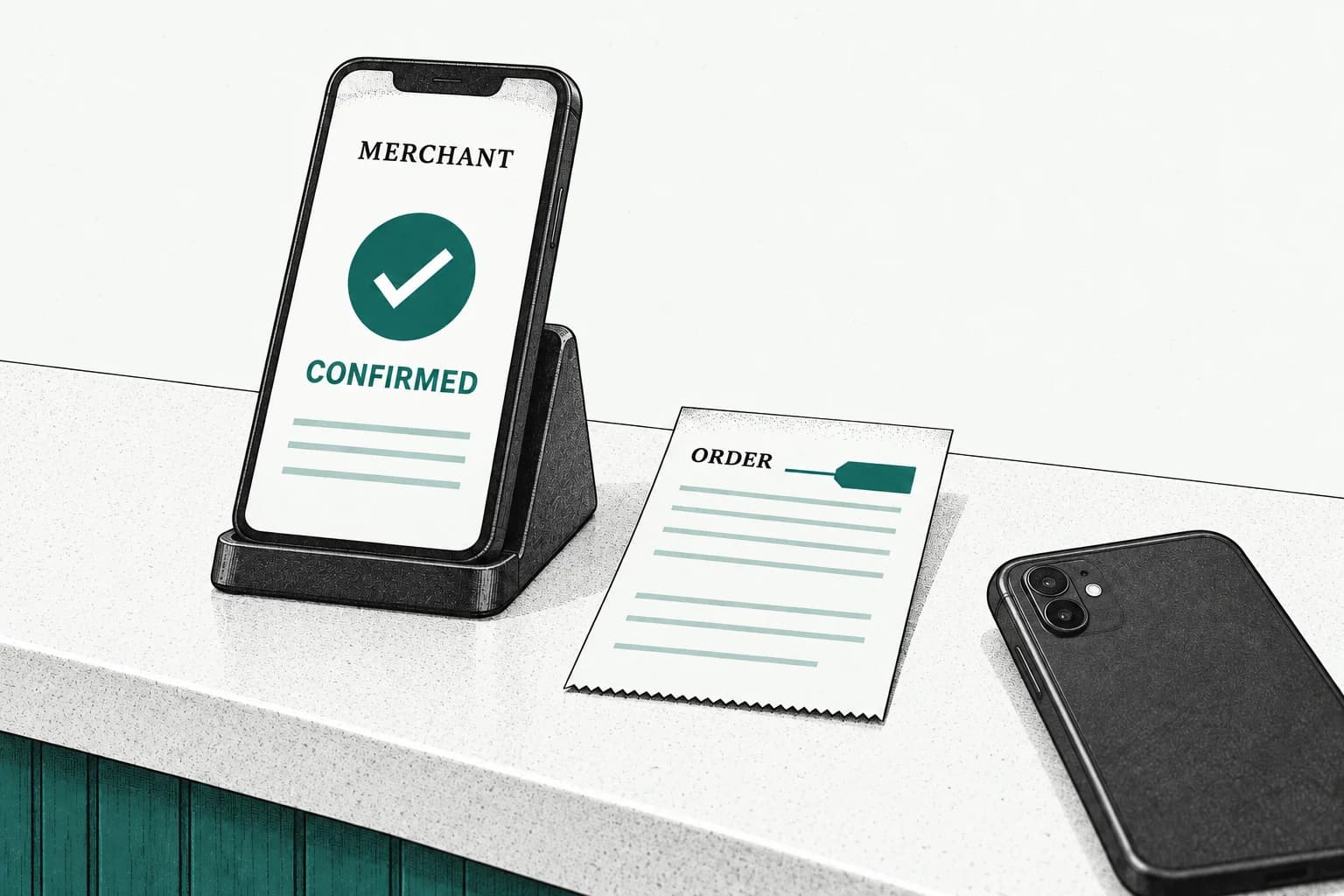
Read articleMobile-first payments can widen reach and speed collections, but SMEs need reliable identity, fees, reconciliation, liquidity, fraud, privacy, and fallback controls.
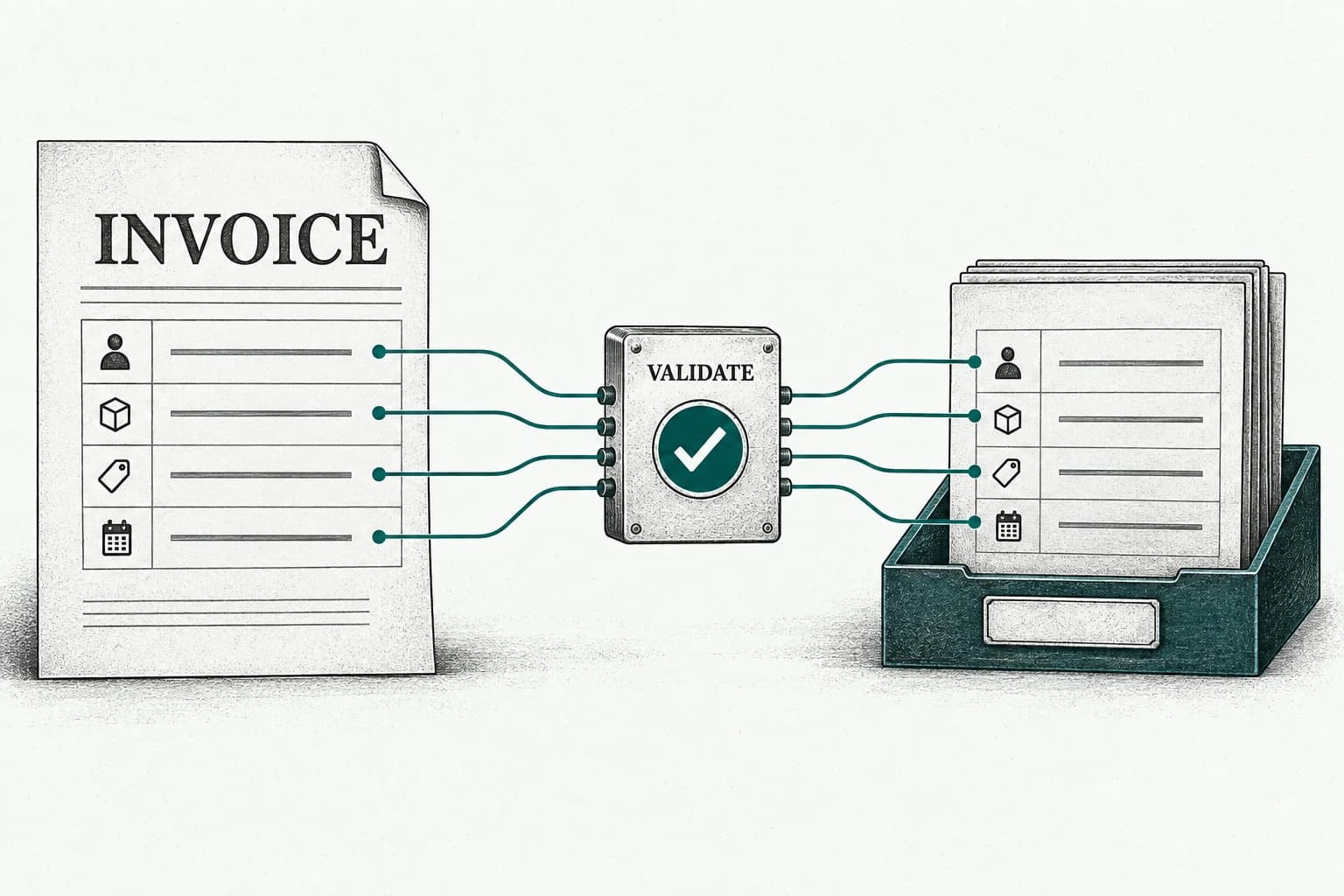
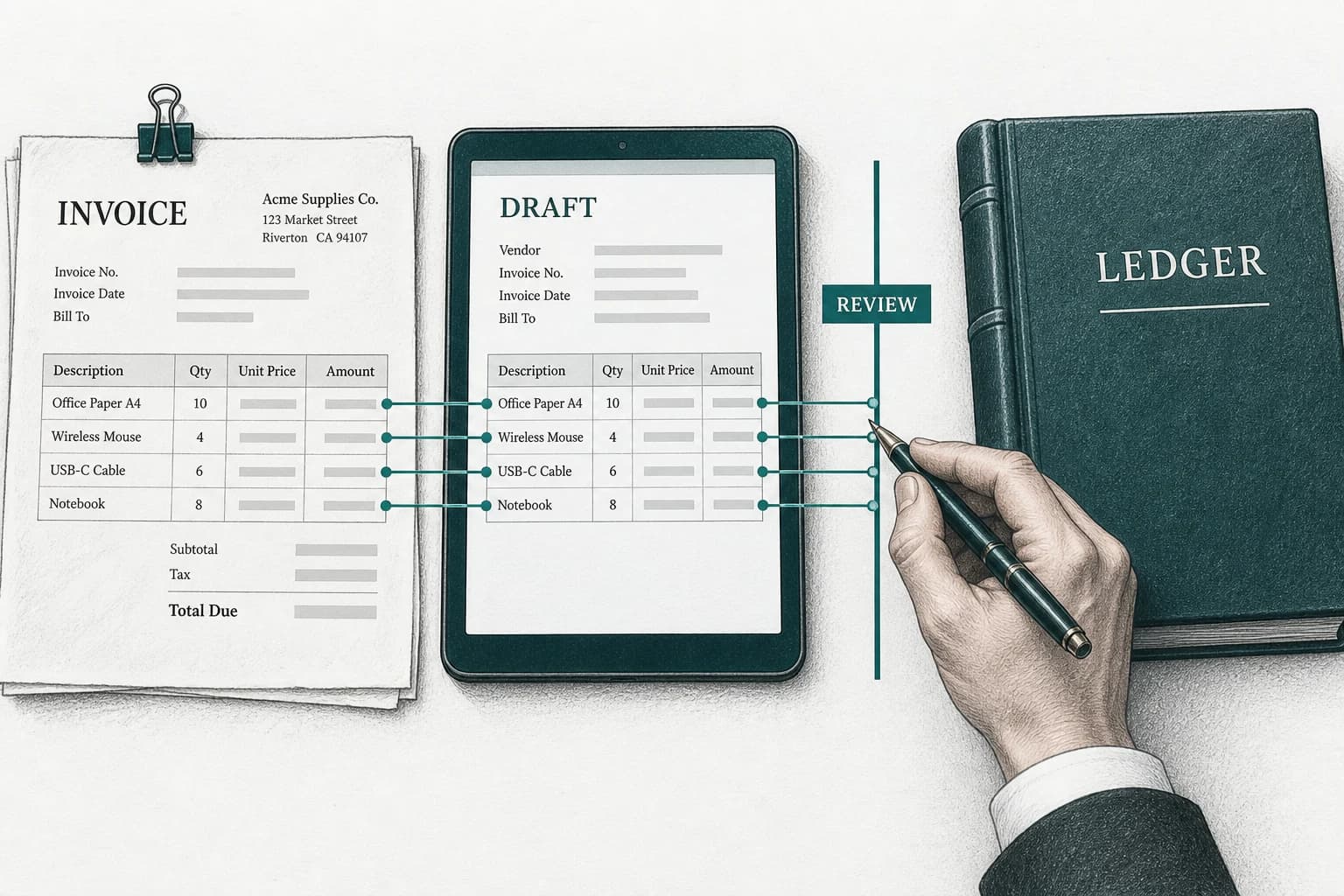
Read articleGlobal e-invoicing rules differ, but SMEs can build a reusable foundation of structured data, transaction controls, evidence, monitoring, and local configuration.
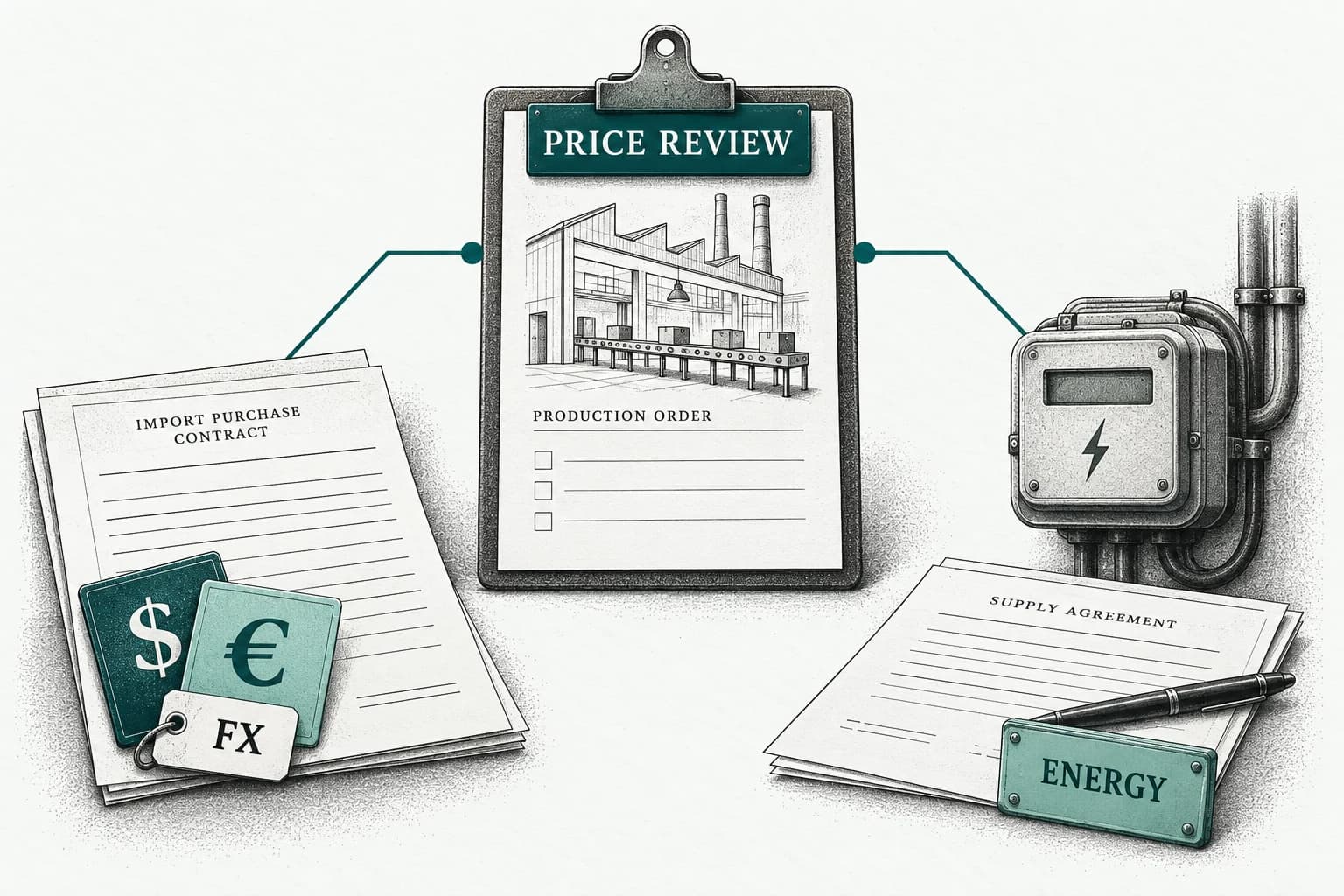
Read articleSMEs can manage currency and energy volatility by mapping exposure, protecting cash headroom, setting pricing rules, and using approved hedges only for real risks.
Read articleFast digital credit can solve a timing problem, but SMEs should compare net proceeds, effective cost, repayment pattern, data access, security, and exit terms.
Read articleSMEs may face ISSB-aligned information requests through law, lenders, investors, and supply chains; readiness starts with governance and reliable evidence.
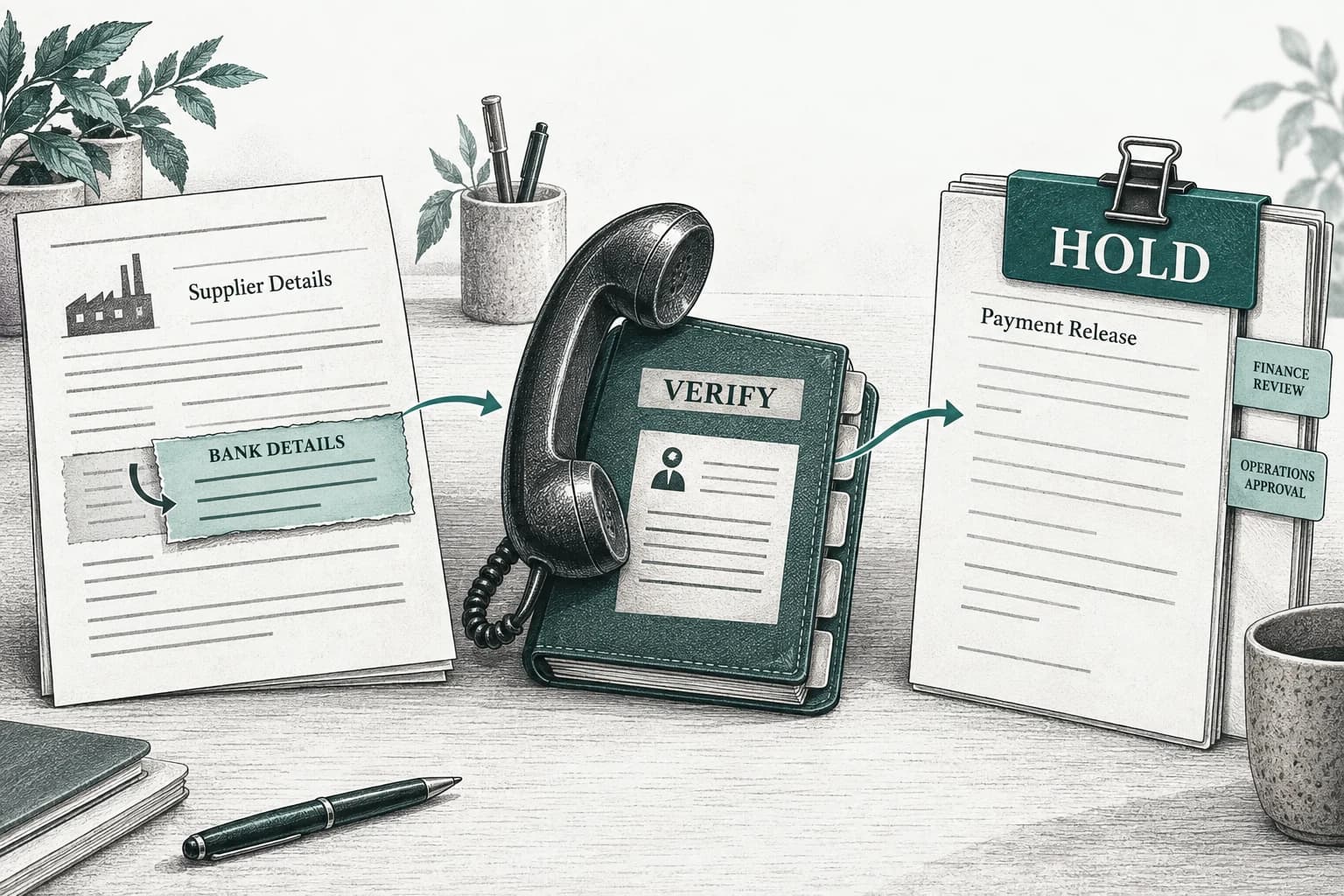
Read articlePayment fraud combines impersonation, compromised accounts, manipulated data, and urgency; layered finance controls must interrupt the chain before release.
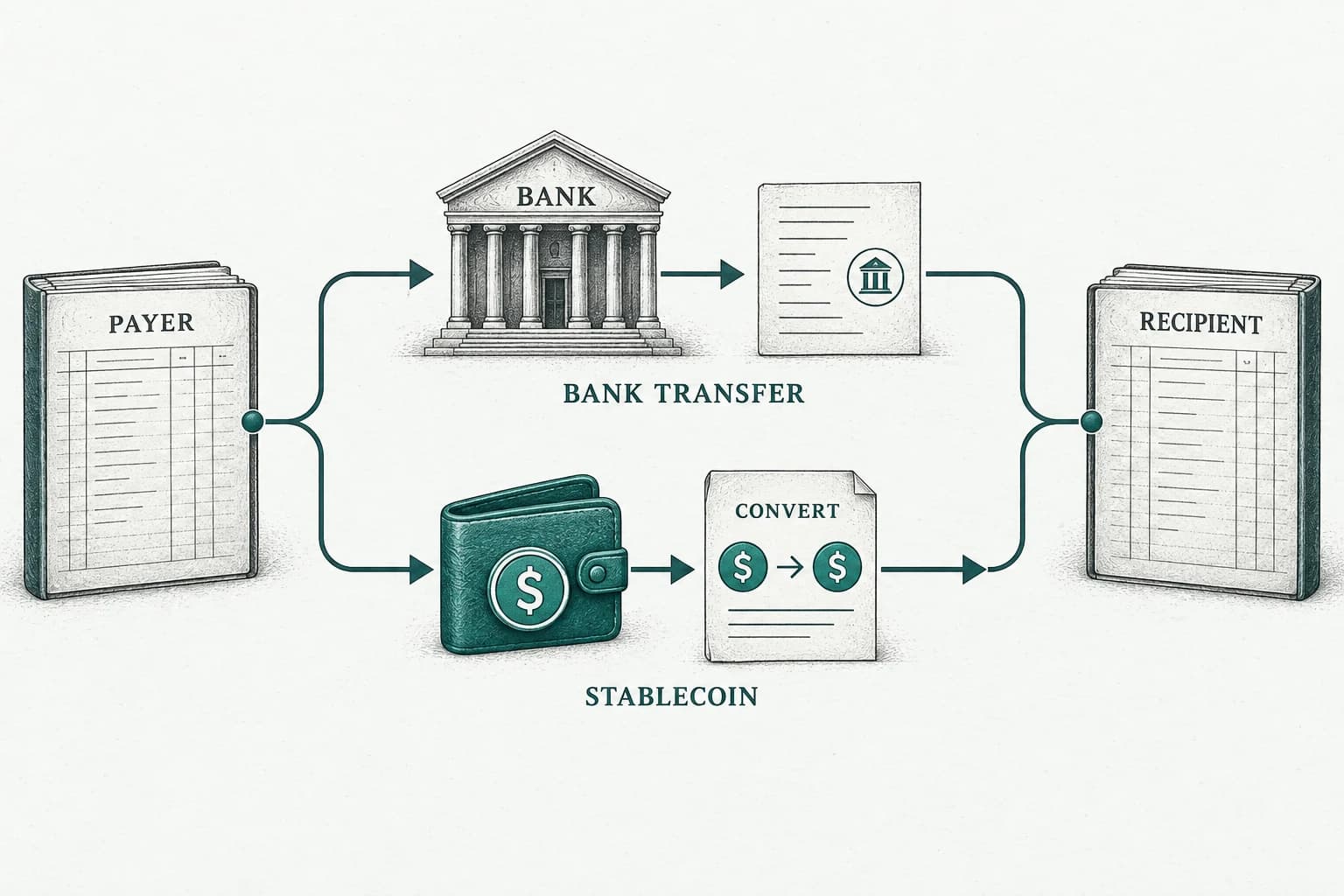
Read articleStablecoins may offer continuous transfer and programmable settlement, while bank rails offer established controls, account integration, and legal familiarity.
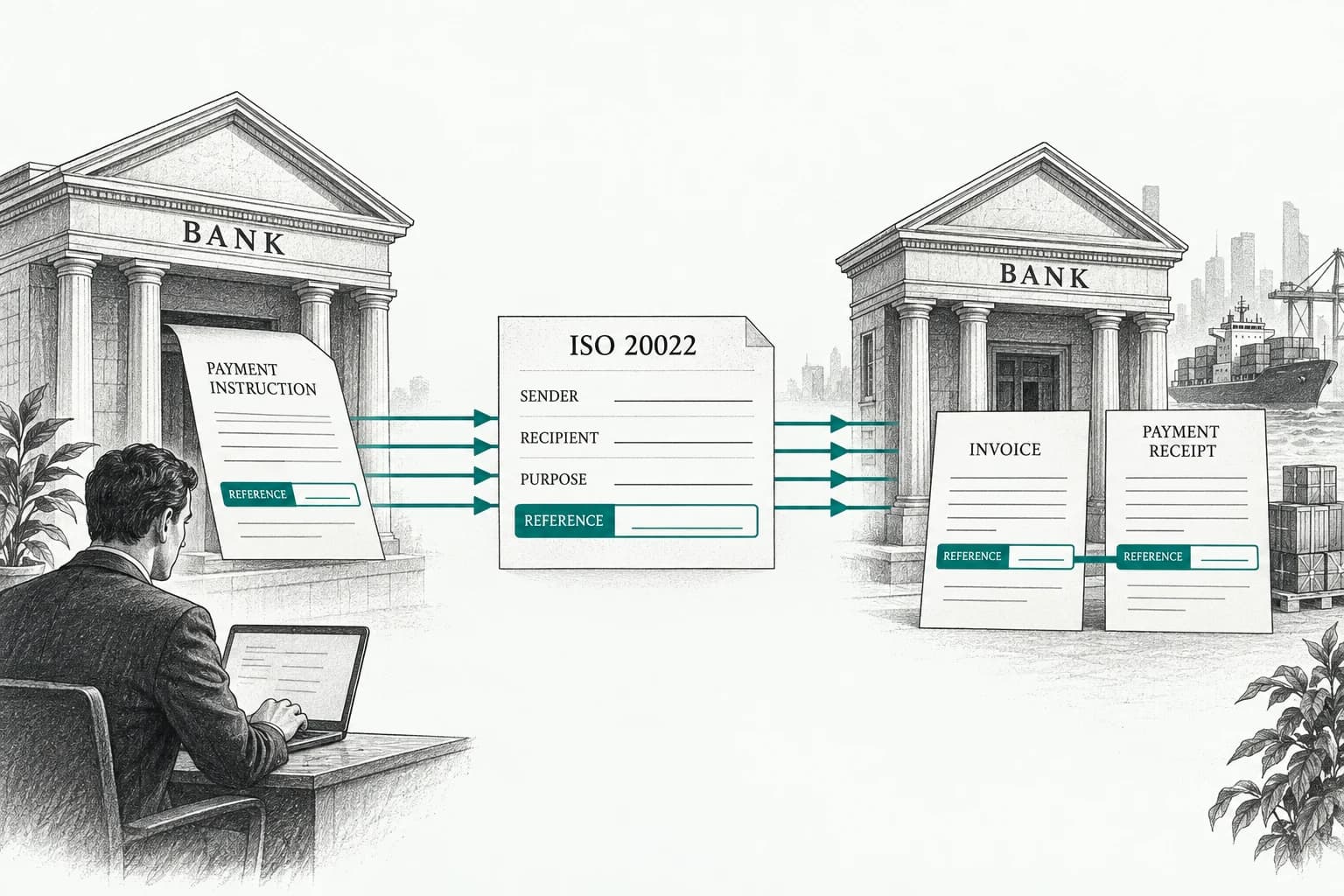
Read articleISO 20022 makes payment data richer and more structured, giving SMEs a reason to improve beneficiary, invoice, purpose, and reconciliation information now.
Read articleFinance teams can use AI to classify, summarize, and investigate work, but approvals, accounting judgments, access, and evidence need human control.
Read articleA thirteen-week cash forecast gives SMEs a weekly view of collections, payments, headroom, and decisions when markets, currencies, or demand move quickly.
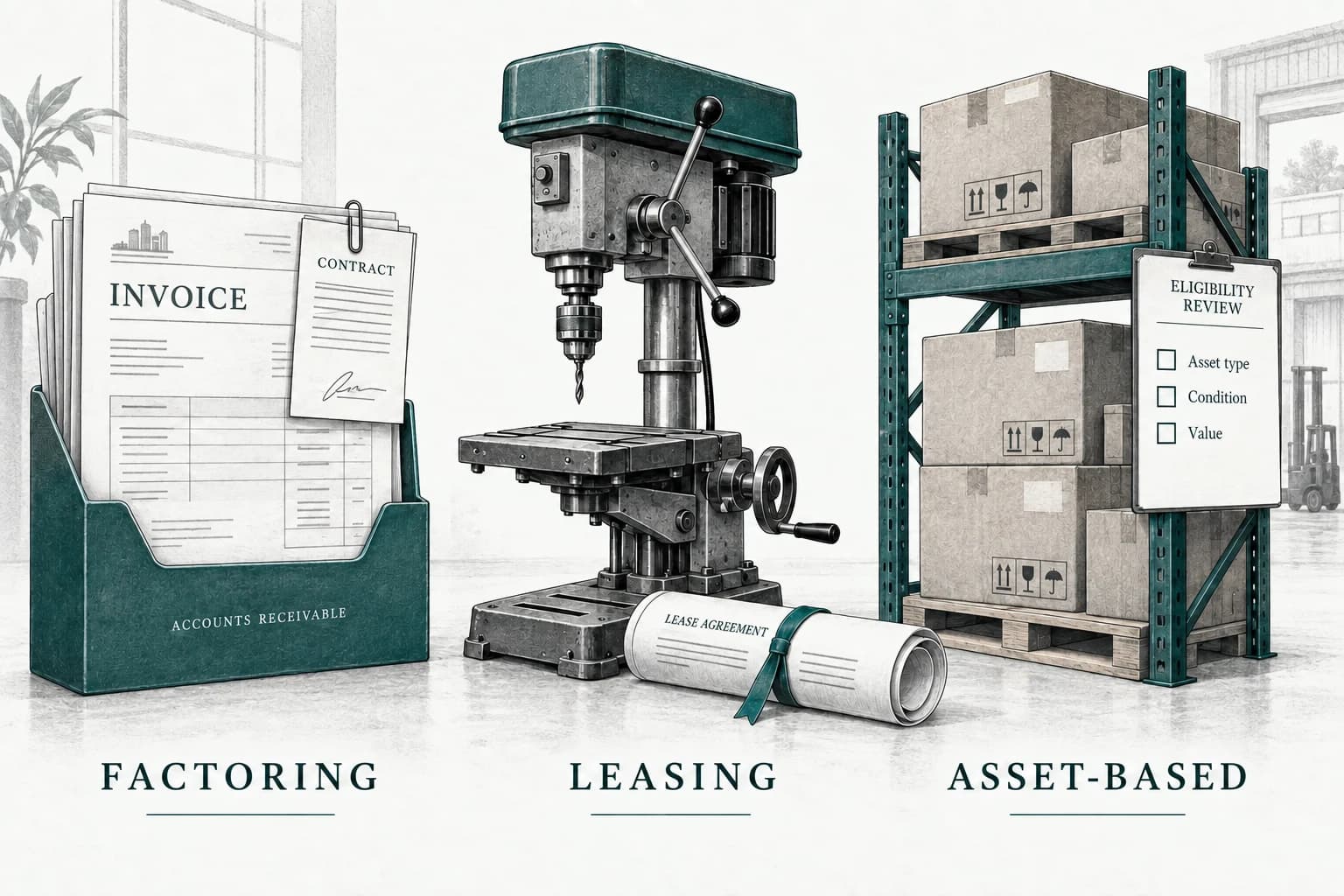
Read articleFactoring, leasing, and asset-based finance can match funding to invoices, equipment, and inventory—but only when cost, control, and recourse are clear.
Read articleSME lending is recovering unevenly, but high rates, tighter risk tests, and weaker collateral values still make the true cost of finance demanding.
Read article