Mobile-first payments can help emerging-market SMEs collect remotely, reduce cash handling, serve customers without cards, and build a digital transaction record. The benefit depends on more than accepting a QR code or wallet. An SME should verify the provider and account ownership, understand customer and merchant fees, plan settlement and agent liquidity, reconcile each channel, protect devices and credentials, confirm payment in a trusted interface, manage refunds, preserve privacy, and maintain a fallback for outages. Product availability and legal duties vary by country.
Why mobile-first is a business model, not a button
The World Bank’s Global Findex 2025 draws on surveys of about 148,000 adults in 141 economies conducted during 2024 and adds digital-safety information to the global inclusion picture. Mobile money, wallets, QR systems, and instant account payments can connect consumers and firms where branches, cards, or fixed infrastructure are limited. For an SME, the opportunity includes remote collection, delivery payment, supplier transfer, payroll support where permitted, and transaction histories that may support formal finance.
Adoption still reflects local networks. Customers need usable accounts, devices, connectivity, agents or banks, confidence, and affordable cash-in or cash-out. Merchants need a legitimate business account, reliable confirmation, settlement, support, and accounting. A product popular in one African, Asian, Latin American, or Middle Eastern market may operate differently in another. Use official provider and regulator information for the country in which the payment occurs.
Choose channels around customers and operations
Map who pays, how much, where, how often, and what device or connectivity is available. A static QR may suit a small counter; a dynamic QR can embed amount and reference; a payment link may support remote orders; an API can connect a digital checkout; a mobile-money till may support cash-based customers. Avoid adding channels that staff cannot confirm or reconcile. Pilot with the actual customer and settlement journey.
Separate consumer convenience from merchant economics. Record setup, transaction, withdrawal, transfer, foreign-exchange, refund, device, data, and support costs. Determine gross or net settlement, timing, reserves, chargebacks, limits, and taxes. A lower headline fee may be offset by expensive withdrawal or slow access to working cash. Compare the recipient value and finance workload, not only the customer-facing price.
Verify providers, identity, and account ownership
Confirm the provider’s legal entity and authorization through the responsible official source. Open a business account in the correct entity name and complete required verification. Understand safeguarding or deposit status, complaint and failure processes, transaction limits, prohibited uses, agents, and subcontractors. Do not run material business turnover through a personal wallet because it is easier to open.
Protect account recovery and administrator roles. Use strong authentication, secure devices, screen locks, current software, and restricted app installation. Register known devices where available. Separate collection visibility, refunds, account changes, and transfers. Review employees and agent access after role changes. A phone number or SIM can become a financial credential, so protect porting and replacement processes with the provider and telecom operator.
Confirm payments without trusting screenshots
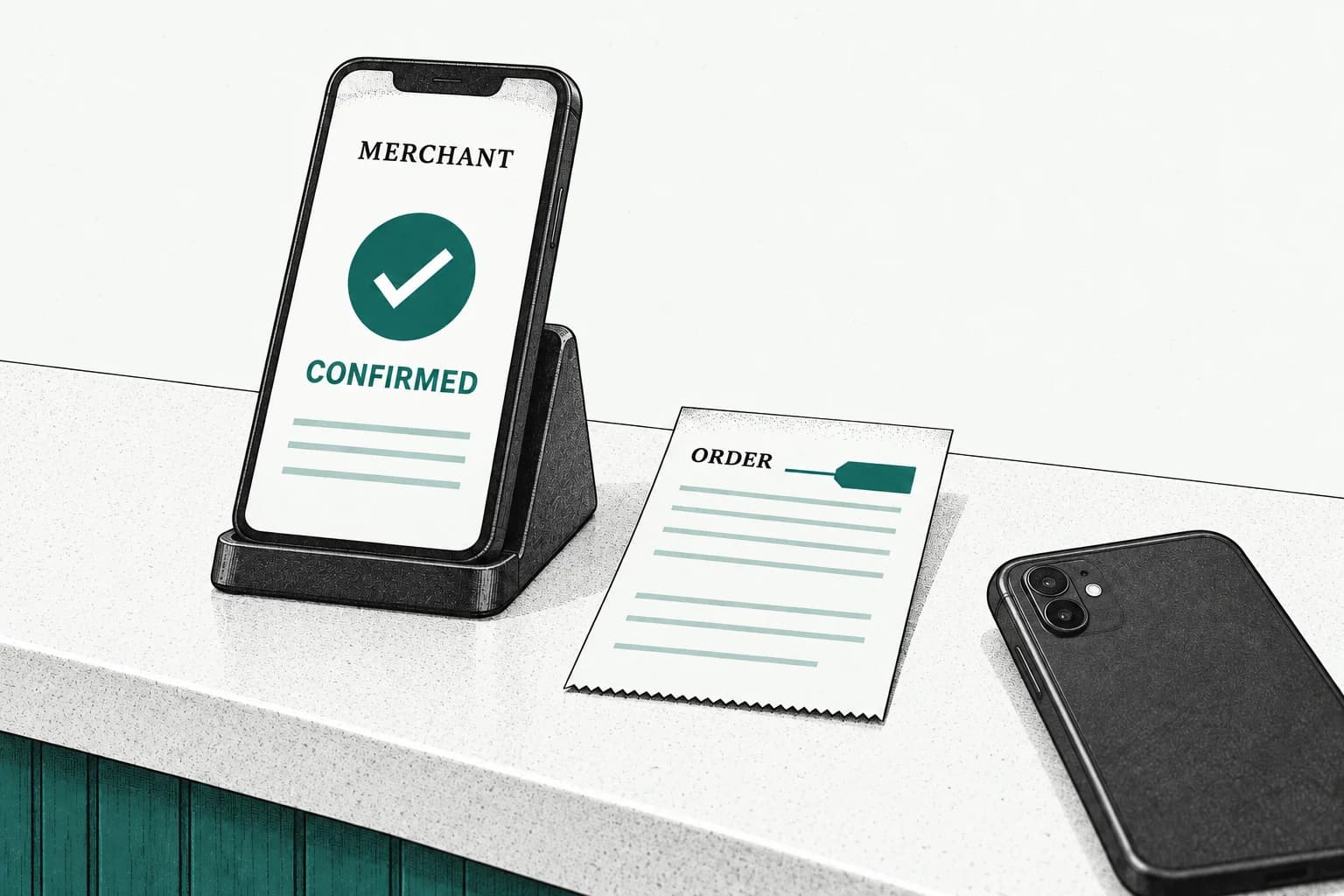
Train staff to verify successful payment in the official merchant application, device, API, or provider record. Customer screenshots, messages, or sounds can be fabricated. Match amount, currency, merchant, reference, time, and final status. Define when goods may be released and how delayed or offline confirmation is handled. Avoid shared devices where notifications expose other customers or allow unauthorized refunds.
Use dynamic references where possible and issue a receipt. For remote orders, link the payment to the order before dispatch. Handle overpayments, partial payments, duplicate payments, reversals, and refunds through approved workflows. Never ask customers to send credentials or one-time codes. Make support channels clear so fraudsters cannot impersonate the merchant after a transaction.
Reconcile channels and manage liquidity
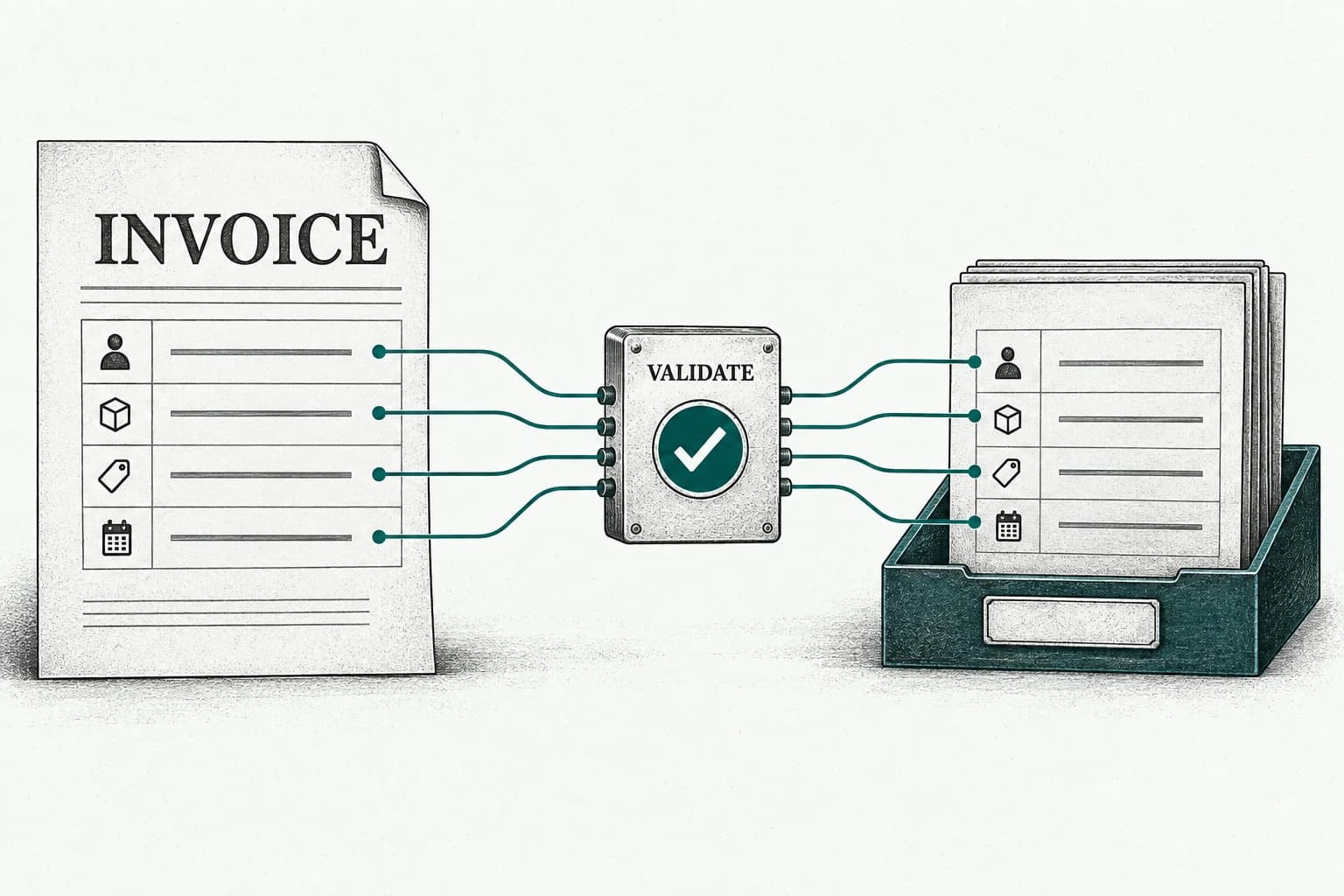
Import provider transactions and settlements into a controlled reconciliation. Match individual payments to sales, fees, refunds, reversals, taxes, reserves, and bank or agent withdrawals. Investigate missing references and aged items. Reconcile daily for high-volume channels and ensure the general ledger reflects gross sales and charges appropriately, not only net deposits. Preserve provider statements outside the mobile device.
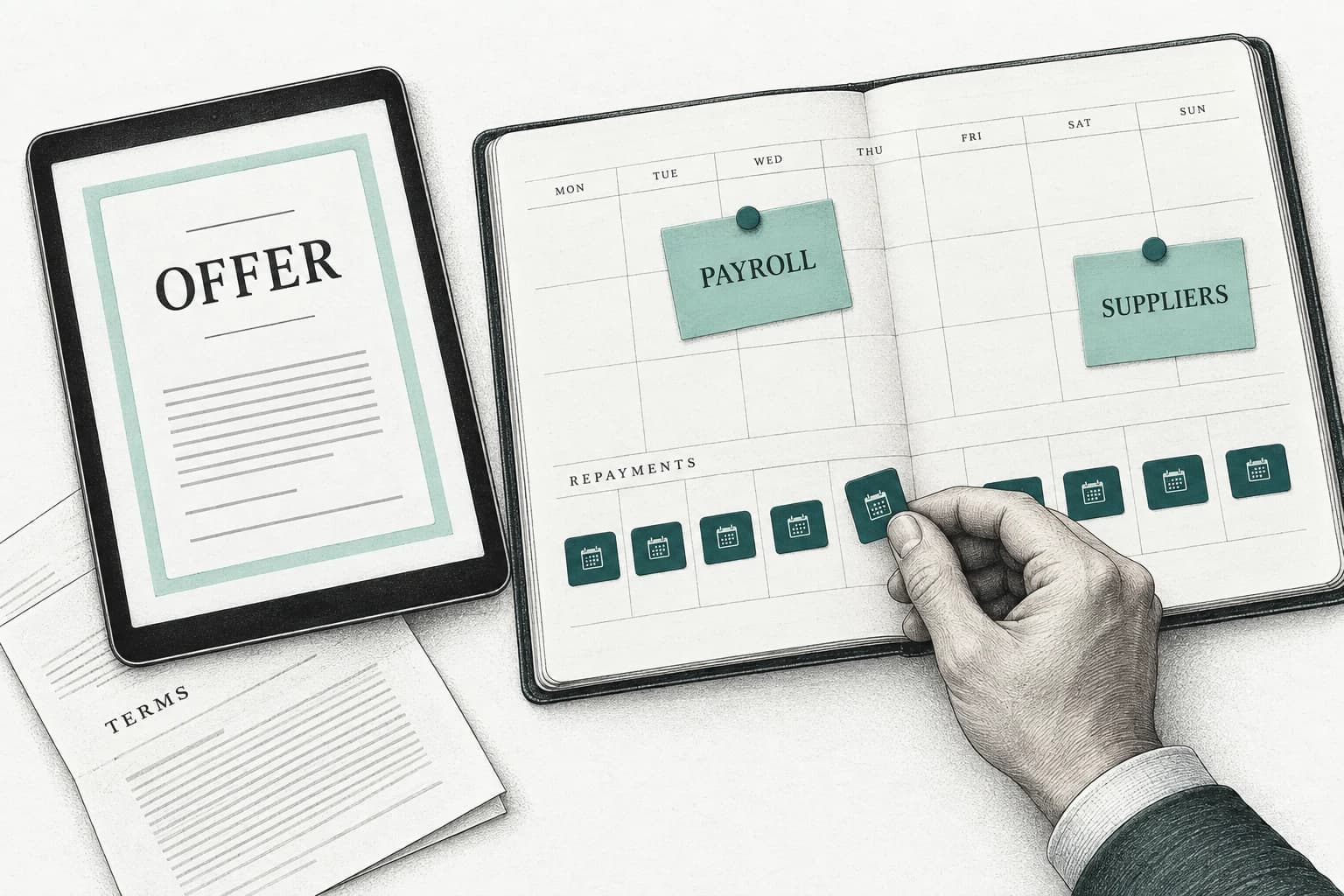
Forecast when digital value becomes usable for suppliers, payroll, inventory, and tax. If the business must cash out through an agent, assess availability, security, limits, and cost. Avoid excessive balances with one provider. Set transfer and withdrawal thresholds, authorized destinations, and a schedule. Mobile-first does not remove treasury; it changes where liquidity sits and which outage or provider event can interrupt it.
Reduce fraud, privacy, and consumer harm
Common risks include social engineering, fake support, QR replacement, SIM swap, device theft, account takeover, refund abuse, false confirmation, and unauthorized agents. Inspect physical QR codes, limit who can replace them, verify account changes independently, and monitor unusual devices, destinations, times, or refunds. Give staff a clear way to pause and escalate. Contact providers through official channels rather than numbers in unsolicited messages.
Collect only data needed for payment and legal records. Protect phone numbers, identity documents, locations, and transaction histories; restrict export and sharing. Provide transparent prices, receipts, refund terms, and support. Accessibility and language matter. A customer should understand the amount and merchant before approval. Financial inclusion is not achieved if a confusing flow transfers risk or hidden cost to the least experienced user.
Design for outages and responsible growth
Maintain a permitted fallback such as another provider, account transfer, card, or controlled cash process. Define maximum offline exposure and do not rely on unverified screenshots during an outage. Keep emergency contacts, device replacement steps, and account identifiers available securely. Test loss of connectivity, phone failure, provider downtime, mistaken transfer, and compromised administrator access.
Review channel performance monthly: acceptance, failed transactions, settlement time, cost, refunds, fraud attempts, reconciliation breaks, support cases, customer use, and liquidity. Add volume only when controls and support scale. Digital records may support lending, but an SME should not surrender broad data or accept unsuitable credit merely because the same app offers it. Mobile-first payments should improve trade and evidence while preserving choice, security, and financial control.
Include agents and field staff in control design. Define authorized locations, cash limits, opening and closing counts, commission, device custody, receipts, handover, and incident reporting. Reconcile agent balances and investigate unusual reversals or transfers. Remote teams may need offline reference materials and a trusted help channel. Do not assume informal local practice provides sufficient accountability because transaction values are individually small.
Review interoperability and lock-in. Determine whether customers can pay from other networks, whether funds move to bank accounts, how numbers or merchant IDs change, and how history is exported. Keep customer records and invoices outside the payment application where necessary. If one provider fails or raises fees, the SME should be able to communicate a controlled alternative without losing the ability to reconcile prior transactions.
Use digital history responsibly. Transaction data can improve cash forecasting and show seasonality, but analytics should not expose customers or employees unnecessarily. Validate reports against settlement and returns before using them for decisions. If a lender offers credit from payment data, compare the full product as rigorously as any other facility and consider whether repayment deductions reduce essential operating cash.
Engage customers when changing channels. Explain how to identify the correct merchant, confirm amount, obtain a receipt, request a refund, and contact support. Provide an alternative for people unable or unwilling to use the digital method where law and operations require it. Trust grows when the payment experience is understandable and problems are resolved consistently, not merely when transaction volume increases.
Coordinate tax and invoicing. A payment confirmation is not always a tax invoice, and a wallet reference may not contain the information accounting requires. Link orders, receipts, invoices, and settlement while preserving the legal document for the jurisdiction. Train staff not to promise that a payment notification alone satisfies every customer or tax requirement.
Assess concentration by provider, telecom network, device type, geography, and agent. A regional outage or policy change can affect many customers at once. Set thresholds that trigger a fallback or additional channel and practice the communication. Diversification has a cost, so choose alternatives that are genuinely operable rather than maintaining dormant accounts nobody can use during disruption.
Review accessibility in the physical environment. Screen glare, small displays, language, numeracy, disability, shared devices, and customer safety can influence whether a payment is understood. Use clear merchant identity, amount confirmation, receipts, and trained assistance without taking control of a customer’s credential. An inclusive payment flow is also a fraud control because it reduces hurried, opaque approval.
| Area | Control | Daily evidence |
|---|---|---|
| Acceptance | Trusted merchant confirmation before release | Amount, reference, status, and order match |
| Access | Strong authentication, device and role control | Authorized users and alert review |
| Settlement | Known timing, fees, reserves, and destinations | Provider-to-bank or agent reconciliation |
| Liquidity | Balance and cash-out limits with fallback | Usable funds and upcoming obligations |
| Customer protection | Clear amount, receipt, refund, privacy, support | Resolved disputes and protected records |
Frequently asked questions
Can a merchant trust a customer’s payment screenshot?
No. Confirm payment in the official merchant application, device, API, or provider record and verify amount, currency, reference, merchant, and final status before releasing goods or services.
Should an SME use a personal mobile wallet for business?
Use an approved business product in the correct legal entity where available and required. Personal wallets can create limits, ownership, accounting, tax, control, and terms-of-service problems. Confirm local rules.
How should mobile payments be recorded in accounting?
Reconcile gross customer payments, provider fees, refunds, reversals, reserves, withdrawals, and settlement to sales and bank records. The exact accounting and tax treatment should be confirmed for the business and jurisdiction.
Sources
- Global Findex Database 2025 — World Bank
- Annual Economic Report 2026 — Bank for International Settlements
- Cyber-enabled fraud: digitalisation and illicit-finance risks — Financial Action Task Force