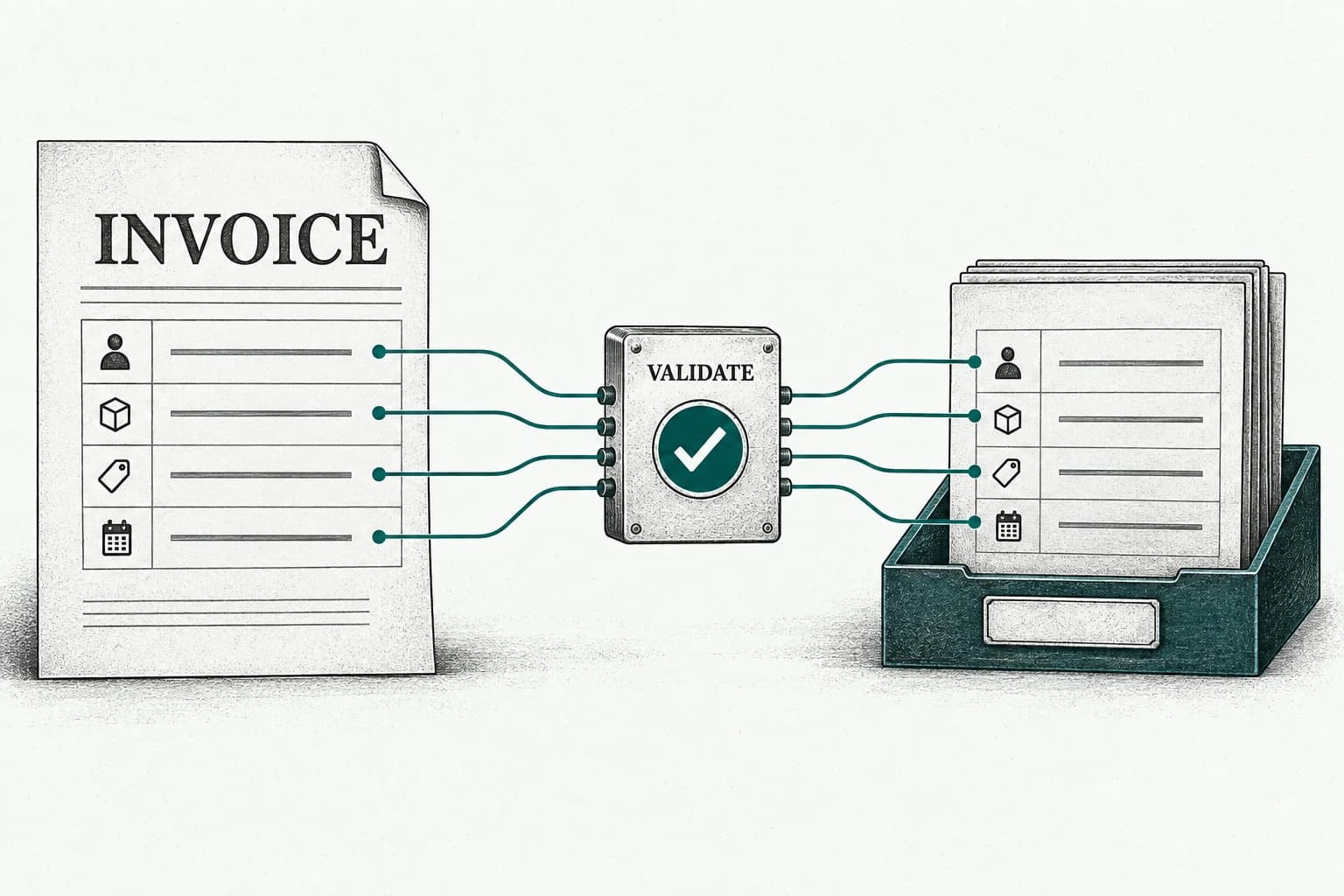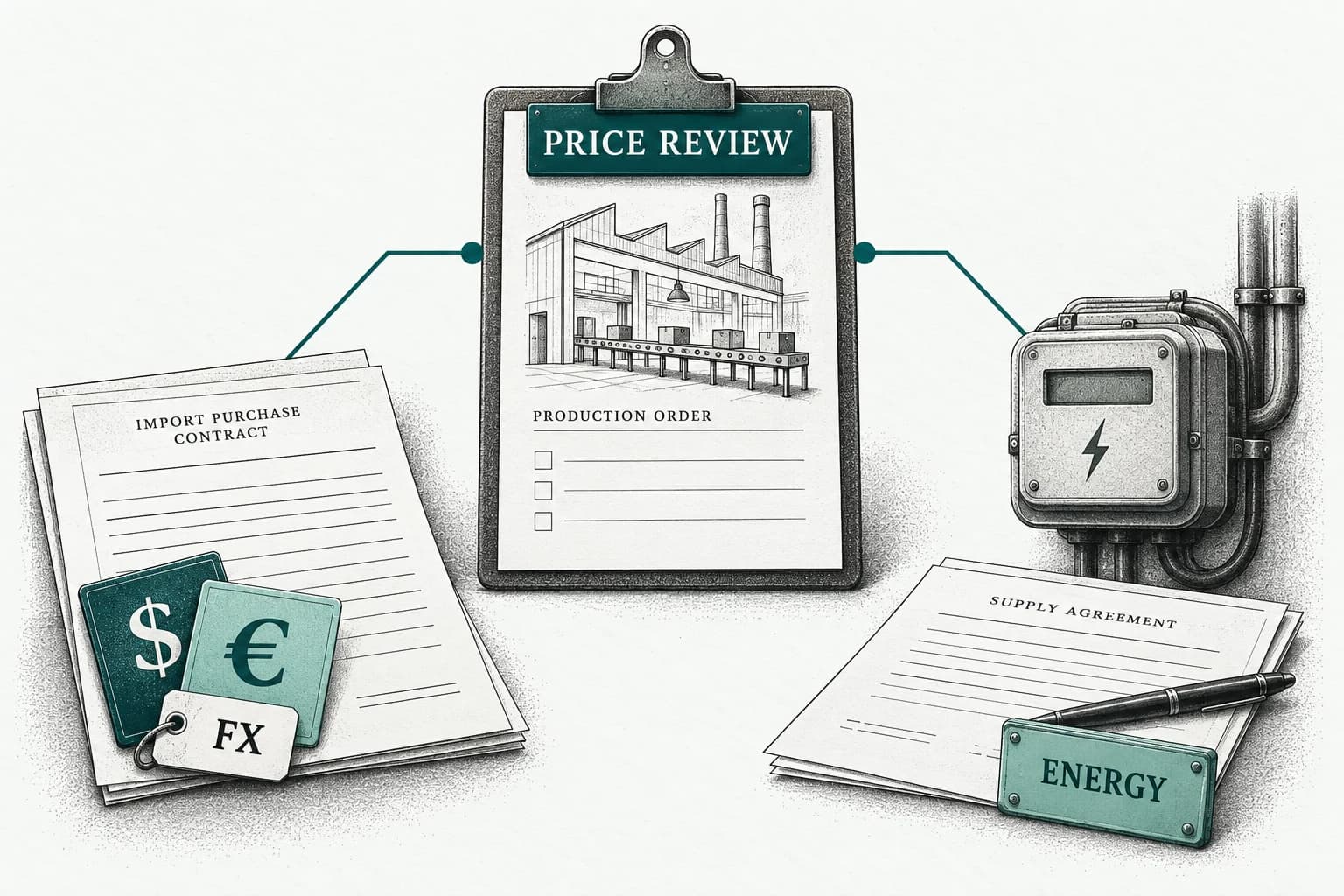
An SME treasury playbook should convert currency and energy volatility into known exposures, cash scenarios, decision limits, and accountable actions. Map each foreign-currency receipt, payment, balance, and pricing commitment; measure energy volume and price exposure by site and contract; model combined shocks; then use operational responses first—pricing, payment terms, procurement, efficiency, and timing. Financial hedges may reduce a genuine exposure, but they require qualified advice, documented authority, liquidity planning, accounting review, and a prohibition on speculative positions.
Map economic exposure, not just invoices
Transaction exposure arises from contracted foreign-currency receipts and payments. Translation affects the reporting of foreign operations or balances. Economic exposure is broader: exchange rates can change competitor pricing, customer demand, imported input cost, and margin even when invoices use the home currency. Build a currency map by entity, pair, amount, timing, certainty, and underlying business purpose. Avoid netting amounts that occur in different entities, dates, or legal environments unless the company can actually offset them.
Energy exposure also includes more than utility bills. Identify electricity, gas, fuel, transport, refrigeration, data-center consumption, and energy embedded in supplier prices. Record volume, tariff, contract type, renewal, taxes, demand charges, pass-throughs, and operational driver. Separate price from usage. A high bill caused by production growth requires a different response from one caused by a tariff increase or equipment inefficiency.
Translate volatility into cash and margin
Create a base case using documented rates and volumes, then test plausible movements separately and together. A weaker local currency can raise imported input and debt cost while improving export revenue; energy prices can compress margin and increase working-capital needs. Model timing because the cash effect may lag the market move through inventory, billing, settlement, and contract resets. The IMF’s July 2026 outlook highlights the interaction of energy conditions and global uncertainty, reinforcing the need for scenarios rather than one confident price path.
Show gross margin, operating cash, minimum headroom, covenant measures, and customer or product profitability under each scenario. Identify thresholds at which an order, contract, or market becomes uneconomic. Do not assume every cost can be passed through immediately. Include elasticity, notice periods, competitor response, tax, and bad-debt effects. A useful stress test changes a decision; it is not a dramatic chart with no owner.
Use commercial and operational hedges first
Align invoice currency with cost where commercially possible, shorten quote validity, add transparent adjustment clauses, request deposits, renegotiate payment terms, and time purchasing against firm orders. Diversify suppliers and logistics without sacrificing quality or compliance. For energy, improve maintenance, scheduling, load management, efficiency, and contract review. These actions can reduce the underlying exposure rather than adding a financial contract beside it.
Natural hedges require evidence. Foreign-currency revenue can offset purchases only if timing, amount, entity, and availability align. A company may still need working-capital cash before customer receipts. Energy savings should be measured against a credible baseline and production volume. Assign owners across sales, procurement, operations, and finance. Treasury cannot manage a risk that commercial teams create without visibility.
Set pricing and procurement rules
Define which rate or index is used for quotes, the source and time, who can override it, and the margin buffer. Record committed and uncommitted exposure as orders progress. For long contracts, establish review bands and customer communication. Avoid silently absorbing movement until margin disappears. A pricing rule should balance competitiveness with survival, and commercial staff should see the cash impact of extended validity or fixed pricing.
Procurement should compare total landed cost, currency, energy surcharge, minimum order, lead time, quality, and payment terms. A cheaper unit price can create more exposure through large inventory or distant settlement. Review energy contracts before expiry and understand fixed, variable, indexed, and pass-through components. Obtain specialist advice in regulated markets and do not rely on old tariff summaries.
Use financial hedges only inside policy
Forward contracts, options, swaps, or other products may reduce defined exposures, but terms, suitability, collateral, liquidity, credit, accounting, and legal consequences vary. A forward can protect a rate while creating an obligation if the underlying transaction is delayed or cancelled. An option may provide flexibility for a premium. Energy hedges can introduce basis risk if the contract index differs from the company’s actual tariff or usage.
Create a treasury policy covering permitted purposes, instruments, counterparties, limits, tenors, approvals, confirmations, valuation, collateral, reporting, and prohibited speculation. Separate dealing, confirmation, settlement, and accounting where resources permit; otherwise add independent review. Reconcile every hedge to an approved underlying exposure. Obtain qualified treasury, legal, tax, and accounting advice before execution.
Protect liquidity and counterparty resilience
Volatility can consume cash through margin calls, deposits, higher inventory, faster supplier payment, or slower customer collections. Include these second-order effects in the thirteen-week forecast. Maintain committed headroom and define who can draw it. Do not hedge a price risk in a way that creates an unmanageable liquidity risk. Model provider failure or loss of a banking line as well as market movement.
Set counterparty limits and verify legal entities and documentation. Avoid concentrating operating cash, hedges, and payment flows with one institution without considering failure and operational outage. Maintain authorized contacts and fallback payment routes. Review sanctions, capital controls, and currency-conversion rules in each market through current official and qualified sources.
Run a simple treasury cadence
Update exposures and cash scenarios at a frequency suited to volatility and business size—often weekly for material positions and monthly for the wider map. Report open exposure, protected amount, weighted rates, maturity, headroom, scenario impact, policy exceptions, and actions. Reconcile forecasts with actual transactions and explain differences. Retire stale exposures and close duplicate records.
Review the playbook after major market moves, new countries, currencies, sites, energy contracts, financing, or business-model changes. Conduct a tabletop scenario in which currency and energy move together, a supplier shortens terms, and a hedge counterparty requests collateral. The objective is not to predict the next shock. It is to ensure the company can see its exposure, decide within authority, preserve cash, and communicate without improvisation.
Keep market data controlled. Specify official or approved sources, timestamp, currency pair or index, and the purpose for which a rate is used. A quote rate, accounting rate, tax rate, customs rate, and settlement rate may differ legitimately. Document the choice and prevent manual overrides without approval. Reconcile executed rates and charges to provider confirmations, bank statements, invoices, and the ledger.
Coordinate with budgeting and performance reporting. Explain the part of margin movement caused by volume, price, mix, exchange, and energy rather than placing all variance in one line. Compare actual exposure with forecast and learn why it differed. If sales committed foreign-currency pricing without informing finance or operations used more energy than planned, correct the process and forecast driver.
Communicate carefully with customers and staff. Avoid claiming certainty about future prices or exchange rates. Explain contractual adjustments and quote validity plainly, retain approvals, and apply policy consistently. Where wage, consumer, or regulated-price consequences arise, obtain local advice. Treasury control should support fair, lawful commercial behavior, not transfer every shock to a weaker counterparty without analysis.
Finally, review opportunities as well as threats. Efficiency investment, local sourcing, diversified revenue, shorter cash cycles, or appropriately timed capital expenditure may reduce long-run exposure. Evaluate each with the same cash and risk discipline. A hedge can smooth a price, but resilient operations can change how much price volatility reaches the business in the first place.
Keep policy proportionate to scale but enforce it consistently. A smaller company may not need a separate treasury department, yet it still needs named ownership, approved providers, exposure limits, independent payment authorization, and a record of decisions. Where the owner is also the dealer, another qualified person should review confirmations, valuations, and settlements. Simplicity should reduce bureaucracy, not eliminate challenge.
Report uncertainty plainly. Market forecasts and scenario rates are assumptions, not promised outcomes. Distinguish contracted, forecast, and contingent exposures and state the date of market data. Leadership should be able to see what is protected, what remains open, and what action is available. That clarity supports decisions across regions without pretending that one central view captures every local constraint.
Document post-trade learning. Compare the approved purpose, forecast exposure, executed product, actual underlying transaction, cash settlement, and final result. Investigate over-hedges, early closures, forecast errors, and avoidable fees. The review should improve forecasting and policy rather than reward or blame people according to whether an unhedged market movement happened to be favorable.
| Level | Trigger | Example actions |
|---|---|---|
| Monitor | Exposure within normal range and buffer | Update map, validate assumptions, retain natural offsets |
| Commercial action | Margin or quote threshold reached | Reprice, shorten validity, change terms, stage purchases |
| Operational action | Usage or supply exposure rises | Efficiency, scheduling, supplier alternatives, inventory action |
| Treasury action | Approved material residual exposure | Evaluate permitted hedge with qualified advice |
| Escalate | Cash, covenant, legal, or policy limit approached | Protect liquidity, pause commitments, leadership decision |
Frequently asked questions
Should an SME hedge all foreign-currency exposure?
Usually not automatically. Exposure certainty, timing, cost, natural offsets, risk appetite, and cash implications matter. Policy should define which genuine exposures may be hedged and prohibit positions taken to profit from market direction.
What is basis risk in an energy hedge?
Basis risk is the chance that the hedging instrument and the company’s actual energy cost move differently because their index, location, grade, volume, or timing does not match. Measure the relationship before treating a hedge as complete protection.
How often should currency exposure be reviewed?
Review material committed exposure as often as decisions can change—often weekly, and more frequently during severe movement. Broader economic exposure and policy can be reviewed monthly or quarterly, with immediate review after major business changes.
Sources
- World Economic Outlook Update, July 2026 — International Monetary Fund
- Annual Economic Report 2026 — Bank for International Settlements
- Financing SMEs and Entrepreneurs 2026: An OECD Scoreboard — OECD