SME credit is recovering in 2026, but recovery does not mean cheap or easy money. The OECD’s 2026 scoreboard finds that new SME lending rose in many reporting economies during 2024, yet borrowing costs remained above pre-pandemic levels in most countries with comparable data. For a growing business, the practical reset is to treat financing as a portfolio decision: quantify the cash need, separate short-term working capital from long-lived investment, compare all-in cost rather than headline rate, and prepare lender-ready evidence before liquidity becomes urgent. This article is educational and global in scope; a qualified adviser should assess any specific borrowing decision.
A recovery measured from a difficult base
The headline improvement needs context. The OECD’s 2026 SME Finance Scoreboard covers 48 countries and reports that the median flow of new SME lending increased 5.7% in 2024 among economies with available data. That rebound followed a sharp tightening cycle, and the median flow remained about 4% below its 2022 level. The stock of SME loans relative to GDP also fell in 25 of 41 reporting economies. In other words, more applications may be reaching approval, but finance has not returned to the abundance or price conditions businesses remember from the low-rate era.
Conditions also differ by place and borrower. A profitable exporter in Southeast Asia, a service firm in the Gulf, and a manufacturer in Central Europe may face different benchmark rates, collateral practices, currency risks, and public guarantee schemes. Even within one market, a bank may favor established borrowers while a fintech lender serves younger firms at a higher effective price. Global averages help a management team ask better questions; they cannot substitute for a current, local offer and a careful assessment of the business’s repayment capacity.
Why the true price of credit remains high
The policy rate is only one component of borrowing cost. Lenders price expected loss, funding, operations, capital, collateral quality, sector concentration, and the uncertainty around future cash flows. The OECD found that 34 of 39 countries with comparable information had higher SME interest rates in 2024 than before the pandemic. A borrower may also pay arrangement fees, legal and valuation costs, unused-line fees, insurance, guarantees, foreign-exchange margins, or penalties for early repayment. The monthly installment therefore tells only part of the story.
Macroeconomic uncertainty keeps those margins relevant. The IMF’s July 2026 update projects global growth of 3.0% in 2026 and 3.4% in 2027, while emphasizing cross-currents from technology investment, energy conditions, and policy uncertainty. The BIS likewise stresses that tighter financial conditions can expose debt-service vulnerabilities. An SME cannot control global rates, but it can reduce the uncertainty it presents to a lender through timely accounts, reconciled tax filings, aging schedules, a credible forecast, and a clear explanation of how borrowed funds create cash.
Match the instrument to the business need
A common mistake is to use whatever facility is available rather than the instrument that fits the asset and cash cycle. Revolving working-capital lines can absorb timing gaps between inventory, receivables, and supplier payments. Term loans are better suited to equipment or expansion that generates benefits over several years. Factoring may convert approved invoices into earlier cash, while leasing can align equipment payments with productive use. Equity or patient capital may be more appropriate when repayment cash is uncertain or far in the future.
The matching principle matters because refinancing risk can be as dangerous as a high rate. Funding a three-year machine with a ninety-day facility creates repeated renewal decisions outside management’s control. Funding seasonal inventory with a long amortizing loan may leave the business paying for capacity it no longer needs. Before approaching providers, write a one-sentence use of funds, the amount and timing of the cash gap, the source of repayment, the realistic downside, and the date by which the financing should end. That discipline makes competing structures easier to compare.
Build a lender-ready evidence pack
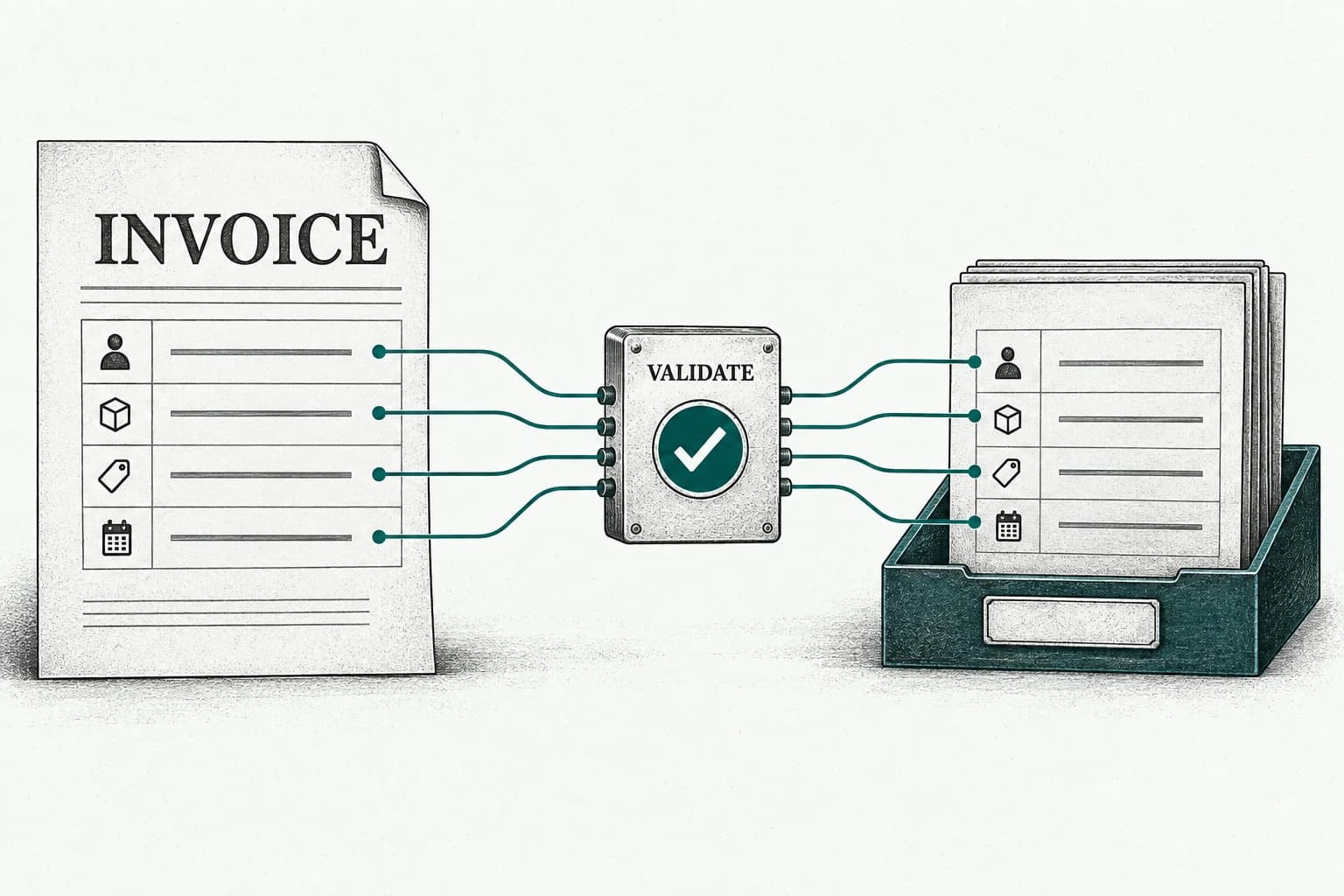
Credit decisions move faster when the borrower’s story reconciles across documents. Start with recent financial statements, current management accounts, bank reconciliations, receivables and payables aging, inventory information, tax status, existing debt, and ownership details. Add a rolling cash forecast that distinguishes contracted revenue from pipeline assumptions. Where figures changed materially, explain why and show the operational response. A lender should be able to trace the requested amount from the business plan into cash needs and then into a plausible repayment path.
Evidence quality also protects the SME. If management can reproduce the provider’s debt-service calculation and covenant definitions, it is less likely to accept an unsuitable structure. Run a base case and at least two adverse cases: slower collections, a margin squeeze, a delayed launch, a currency move, or a temporary demand shock. Record what management would stop, defer, renegotiate, or finance if the adverse case occurs. This is not about making forecasts look pessimistic; it is about demonstrating that the company understands its own liquidity mechanics.
Compare offers on an all-in and downside basis
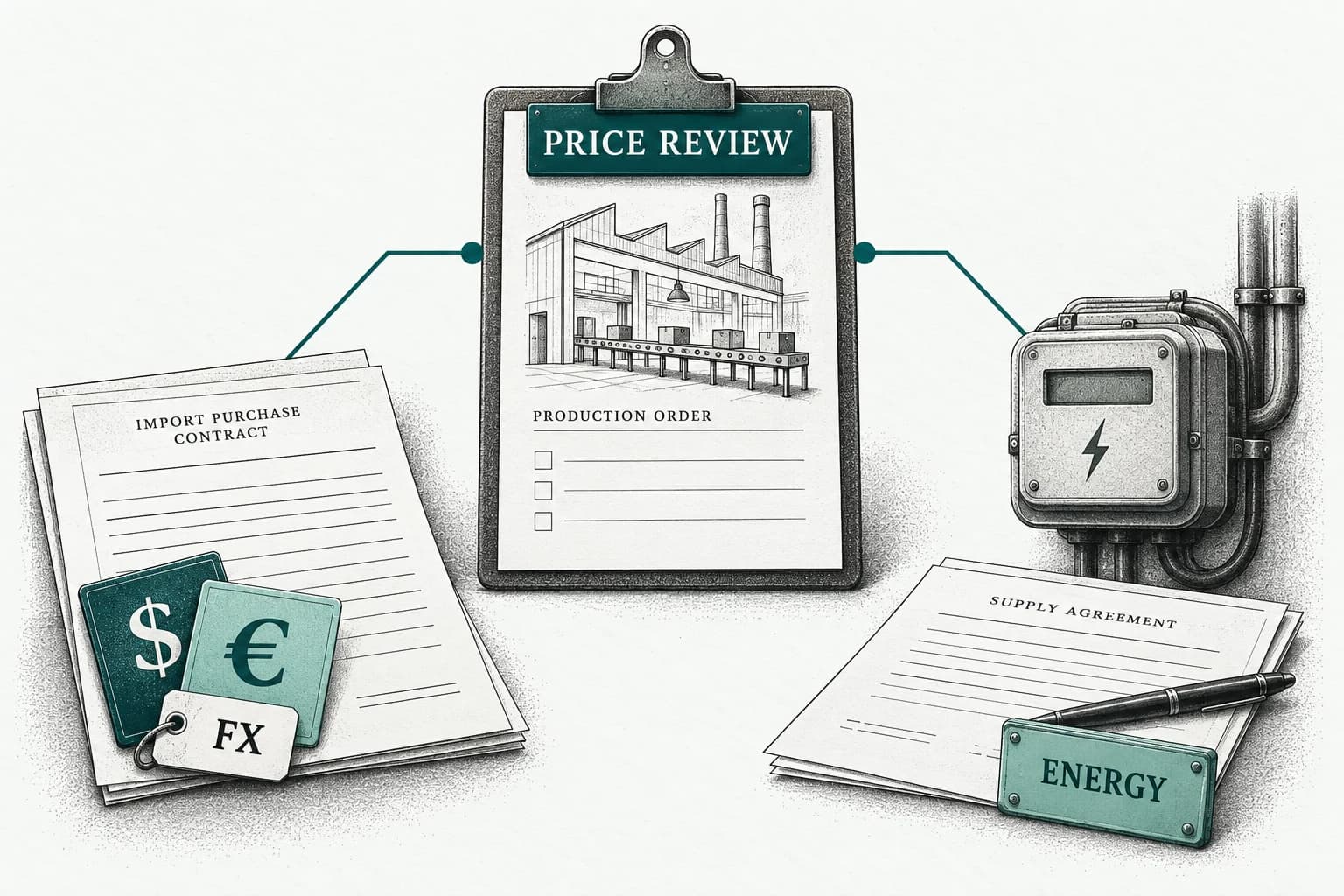
Translate each offer into the same currency, time period, and cash-flow schedule. Calculate the cash received after upfront deductions, every required payment, the annualized effective cost, collateral pledged, personal guarantees, covenants, reporting burden, and early-exit cost. For variable-rate facilities, model at least one higher-rate scenario. For foreign-currency borrowing, test the repayment after an adverse exchange-rate movement. For revenue-based finance, examine how payments behave in both strong and weak months rather than treating the quoted multiple as an interest rate.
Non-price terms can determine whether a facility is usable. A cheap line that can be withdrawn during a seasonal peak may be less valuable than a committed facility with a modestly higher rate. A restrictive covenant may limit dividends, acquisitions, new debt, or asset sales. Security over core assets may constrain future borrowing. The decision record should therefore state why the selected offer fits the operating plan, which conditions management must monitor, and what events trigger an early conversation with the provider.
Create a finance cadence before the next request
The best time to improve financing readiness is when no urgent application is pending. Review a thirteen-week cash forecast weekly, update a twelve-to-eighteen-month funding plan monthly, and keep a simple schedule of facilities, rates, covenants, security, and renewal dates. Build relationships with more than one credible provider without submitting speculative applications everywhere. If a public guarantee or development-finance program is relevant, verify eligibility and current terms through the responsible institution rather than relying on old summaries.
Board or owner reporting should connect financing to operational drivers. Track interest coverage, debt service, leverage, working-capital days, cash headroom, and forecast accuracy alongside the business metrics that cause them. When a threshold deteriorates, assign an action and owner. This turns finance from an emergency purchase into a managed capability. In an expensive-credit environment, the advantage does not always go to the company with the lowest quoted rate; it often goes to the company that knows how much cash it needs, when it needs it, and how it will respond if reality diverges from plan.
Read the 2026 reset as an operating signal
The reset should change operating behavior before it changes a financing contract. Commercial teams can shorten quote-to-invoice time, finance can pursue disputed receivables, procurement can revisit minimum order quantities, and leaders can stage investments around evidence rather than enthusiasm. These actions may release cash at a lower risk than borrowing. They also improve the information a provider sees. The objective is not to avoid all debt; it is to reserve debt for opportunities and timing gaps where the expected return and repayment path are clear.
Finally, keep country and sector comparisons honest. Public data often arrives with a lag, definitions of an SME differ, and median movements conceal wide dispersion. Record the date and source for benchmarks, then replace them with live quotes and company data as the decision progresses. A 2026 global outlook is a starting point for a funding conversation, not a prediction about one lender, one rate, or one business.
Document the resulting decision in plain language. State the business purpose, alternatives considered, cash impact, principal risks, approved limit, and monitoring owner. That short record helps future managers understand why the facility exists and discourages quiet renewal when circumstances have changed.
| Decision factor | What to calculate or verify | Why it matters |
|---|---|---|
| All-in cost | Net cash received, fees, interest, margin, and exit charges | Headline rates can hide material costs |
| Cash-flow fit | Payment dates against the forecast source of repayment | A sound business can still fail through timing |
| Downside resilience | Rate, currency, sales, margin, and collection stresses | Shows whether headroom survives volatility |
| Control terms | Security, guarantees, covenants, and information duties | Terms may constrain future decisions |
| Provider risk | Regulation, reputation, servicing, and renewal behavior | Reliability matters across the facility life |
Frequently asked questions
Are SME interest rates likely to fall quickly in 2026?
No single global path applies. Policy rates, bank funding, inflation, currency conditions, borrower risk, and competition all affect offers. The useful planning assumption is not a precise rate forecast but a range: test today’s price, a modest improvement, and an adverse case, then confirm live terms with providers in the relevant market.
How much debt can a small business safely take?
There is no universal ratio. Capacity depends on cash-flow stability, margins, seasonality, existing commitments, asset life, currency exposure, and the consequences of a weak period. Use forward cash flows and stress tests, not only historical profit, and obtain qualified advice for a material financing decision.
Should an SME apply to several lenders at once?
Comparing credible alternatives is sensible, but indiscriminate applications can waste time and create inconsistent disclosures. Prepare one reconciled information pack, shortlist providers suited to the use of funds, understand any credit-search implications in your market, and run each proposal through the same comparison framework.
Sources
- Financing SMEs and Entrepreneurs 2026: An OECD Scoreboard — OECD
- World Economic Outlook Update, July 2026 — International Monetary Fund
- Annual Economic Report 2026 — Bank for International Settlements