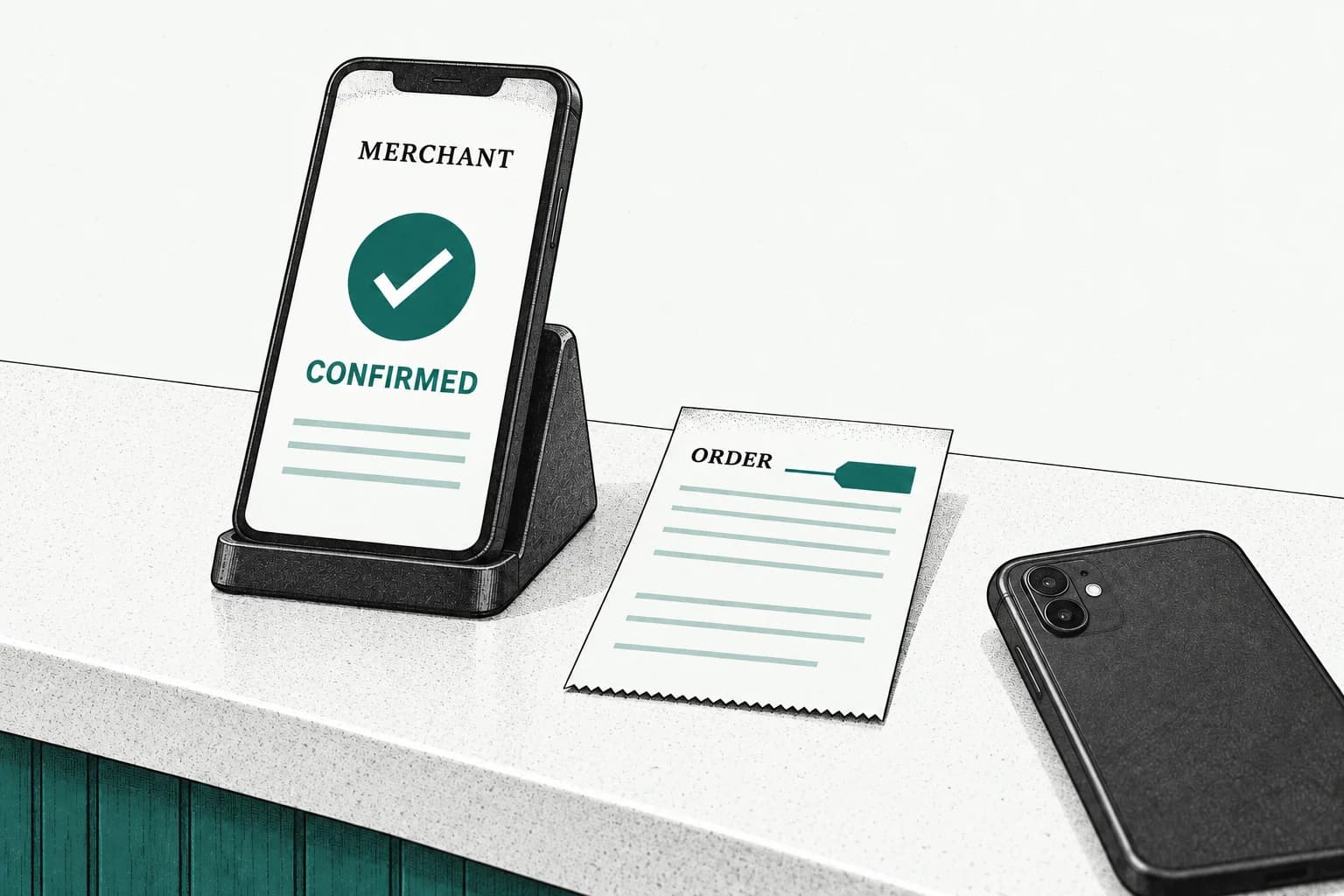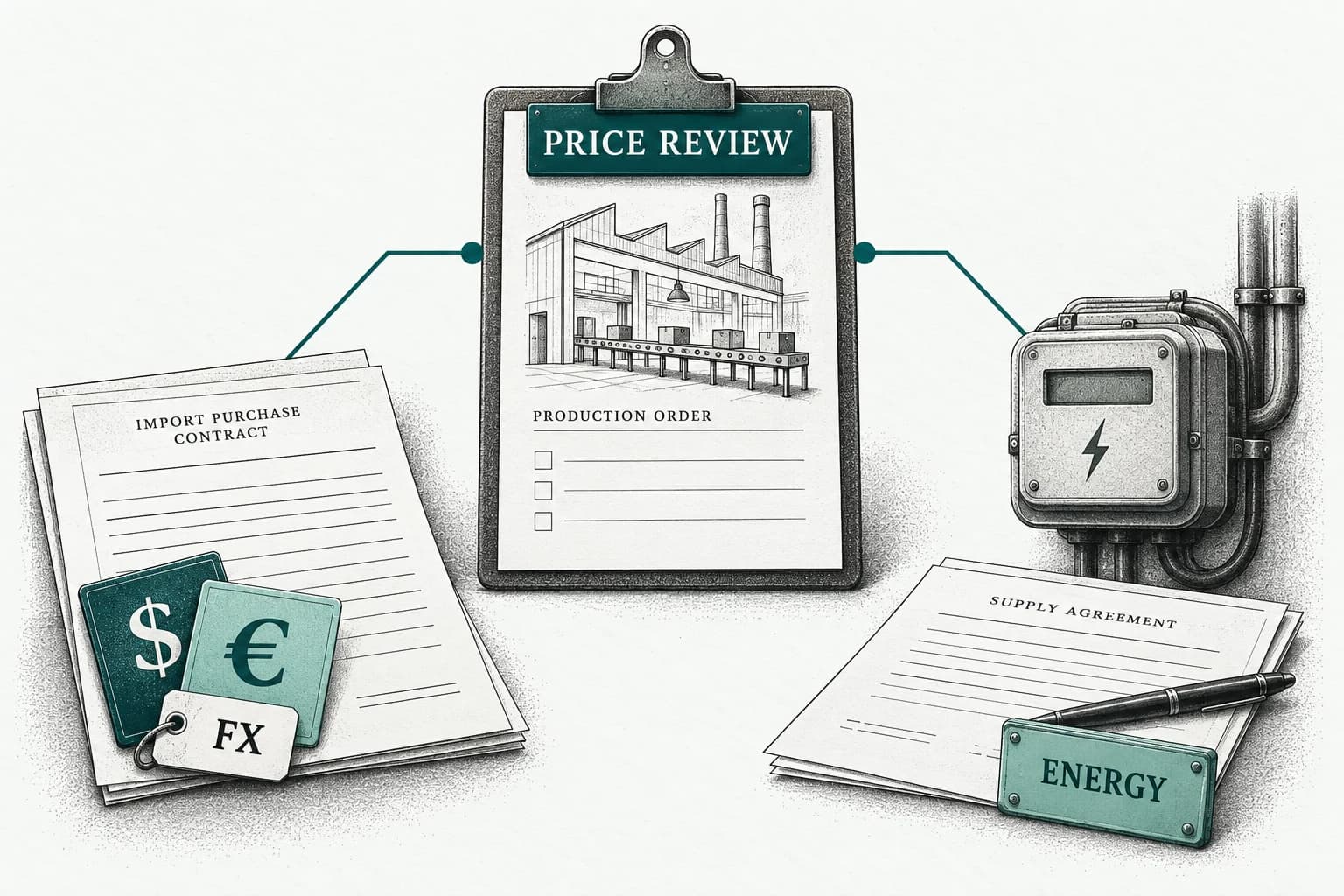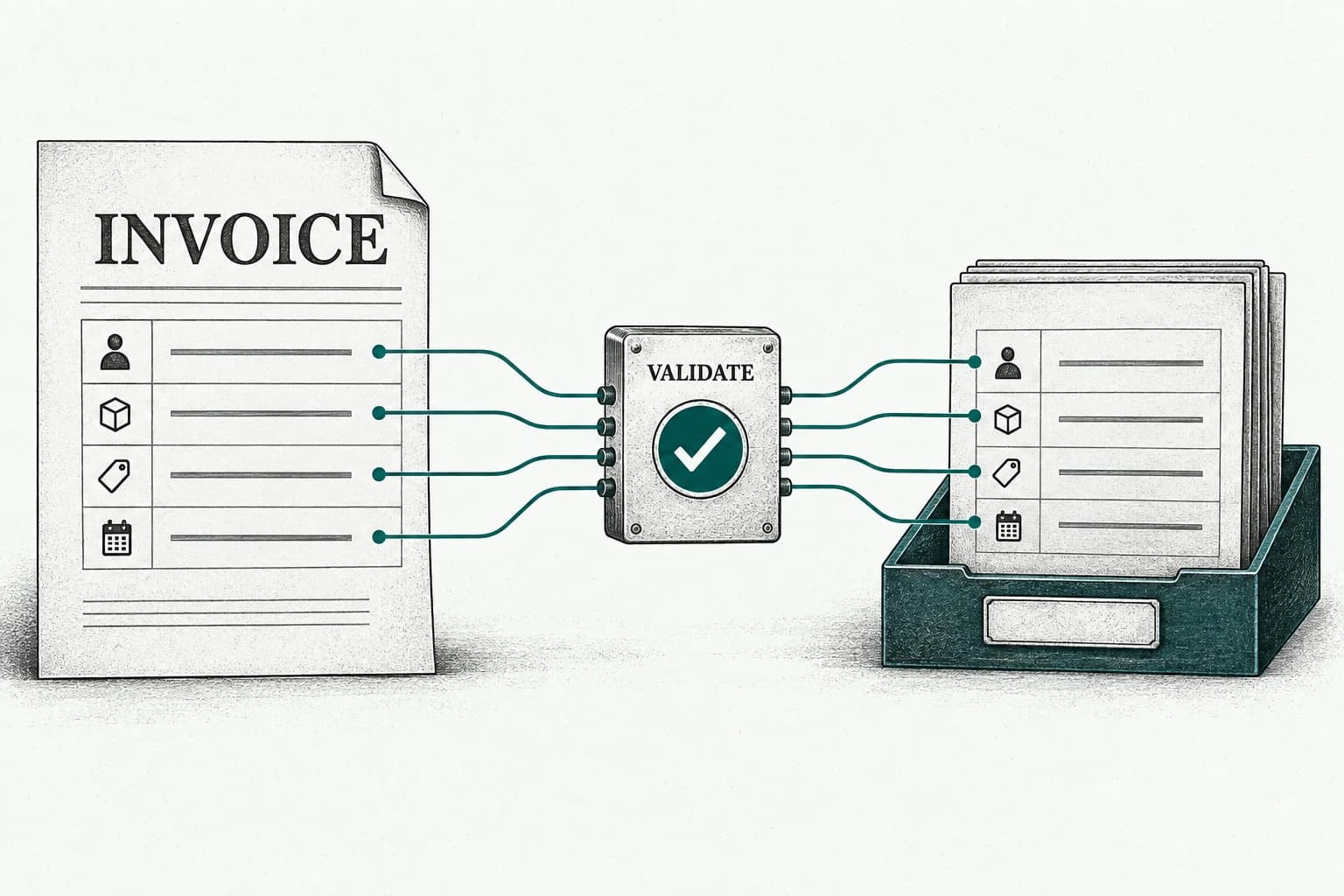
Global SMEs should not build one hard-coded e-invoice for every country. They should create a controlled transaction-data foundation and configure jurisdiction-specific rules around it. Map obligations by entity, country, transaction, customer, and effective date; maintain verified tax and party master data; generate structured invoice fields from authoritative systems; validate before submission; capture clearance or reporting status; deliver the buyer’s usable invoice; reconcile tax and accounting; and retain required evidence. Qualified local advisers must confirm current legal requirements, formats, signatures, archives, and deadlines.
Why there is no single global e-invoice
E-invoicing can mean structured business exchange, mandatory government clearance, near-real-time reporting, post-audit transmission, or a combination. Rules differ for business-to-business, business-to-government, and consumer transactions; domestic and cross-border supply; invoice, credit note, debit note, and self-billing; tax status and turnover; and approved channels. A PDF sent by email may be a visual invoice but not the legally required structured document in a particular regime.
The direction is toward more digital administration. OECD research across 54 Forum on Tax Administration members—representing more than 100 jurisdictions—describes extensive work on APIs, direct business-system data, and AI. The European Union’s VAT in the Digital Age programme provides for cross-border B2B digital reporting and e-invoicing reforms from July 2030, while countries maintain their own domestic paths. Use official local sources for live dates and scope.
Create an obligations matrix
List every legal entity and tax registration, then map countries of establishment and supply, transaction types, counterparty status, channels, currencies, exemptions, and dates. For each obligation, record the official source, responsible adviser, required format, platform or network, identifier, signature or seal, timing, contingency, archive, and penalties. Distinguish enacted requirements from proposals and vendor forecasts.
Assign an owner to update the matrix and require evidence for changes. A group may have one ERP but multiple tax obligations; conversely, one country may have different rules by transaction or taxpayer segment. Do not enable a country configuration because its name resembles another regime. Review new products, marketplaces, warehouses, branches, and customer types through tax governance before transactions begin.
Build reliable master and transaction data
Define authoritative fields for seller and buyer legal names, addresses, tax identifiers, registrations, bank and payment details, item or service classifications, units, quantities, dates, currency, exchange rate, taxable amount, tax category, rate, exemption reason, references, and totals. Validate format and effective dates. Restrict sensitive changes and preserve audit history. Incorrect master data can cause rejection or, worse, a formally accepted invoice with the wrong tax treatment.
Model the commercial event, not only the output file. Connect contract, order, fulfillment, acceptance, invoice, credit, payment, and ledger entries. Define how advances, discounts, returns, bundles, withholding, reverse charge, zero rating, and cross-border cases are approved. Local tax expertise should determine treatment; software should apply the approved rule consistently and route uncertainty for review.
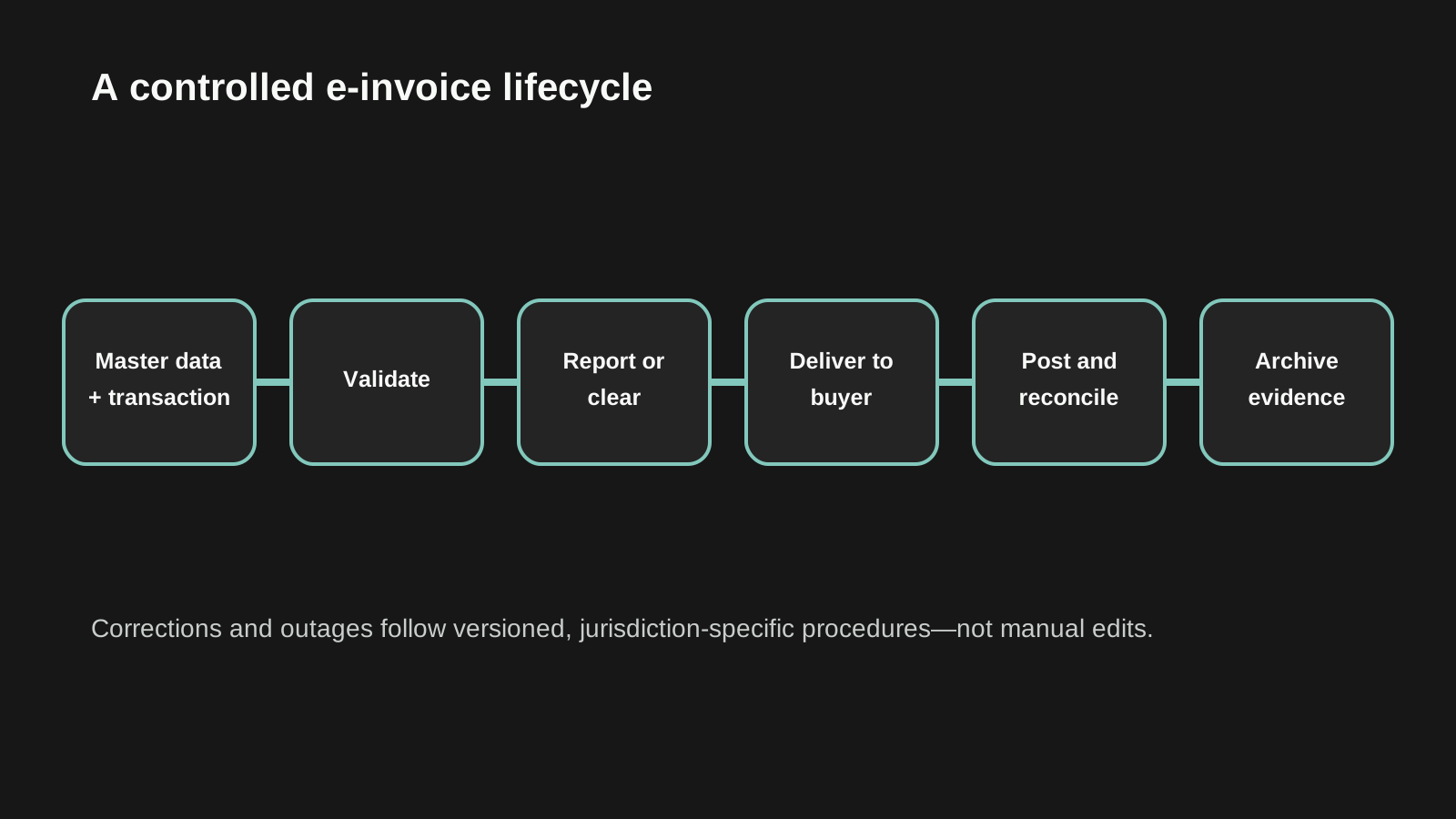
Design the end-to-end control lifecycle
Before generation, confirm the transaction, counterparty, approval, and tax rule. Validate schema and business rules before submission. Capture technical acknowledgments, government clearance or reporting status, unique identifiers, timestamps, signatures, and rejection details. Deliver the human-readable and structured forms required by the buyer. Post to accounting only under a defined status and prevent duplicates when a submission is retried.
Handle credit notes, cancellations, corrections, and returns through controlled flows rather than editing issued records. Link every adjustment to the original invoice and required reason. Reconcile issued documents, platform status, sales ledger, tax return, and buyer disputes. Define period-end treatment for pending, rejected, and late documents. A green API response is not enough unless finance can prove the accepted business document and its accounting impact.
Engineer exceptions and continuity
Classify failures such as invalid master data, schema errors, tax-rule errors, unavailable government service, expired certificate, network failure, duplicate, buyer rejection, and accounting mismatch. Route each to a named owner with severity, time limit, and evidence. Monitor backlog and age. Avoid manual edits outside the source system that cause the legal invoice and ledger to diverge.
Document official contingency and later-submission procedures for each jurisdiction. Test queueing, retry, duplicate prevention, certificate renewal, provider outage, and restoration. Keep time synchronized and monitor expiring credentials. Manual fallback should require authorization, preserve mandatory information, and reconcile after service returns. Do not invent a workaround when law specifies the contingency route.
Protect credentials, data, and vendor independence
E-invoicing integrations can hold signing credentials, tax identifiers, customer data, prices, and transaction history. Separate development and production, store secrets securely, restrict privileges, log administrator and submission activity, patch systems, and rotate credentials. Validate inbound and outbound files and protect APIs against replay and unauthorized access. Confirm data location, subprocessors, retention, deletion, incident response, and access by vendor support.
Preserve portability. Keep an export of invoices, statuses, acknowledgments, signatures, attachments, and audit events in a usable format. Document field mappings and certificates. Know how to change providers without losing legal evidence or issuing duplicates. Review contract termination, data return, continuity, liability, and regulatory-change support before dependency becomes critical.
Deliver in controlled waves
Prioritize the earliest and highest-volume obligations, then pilot representative transactions in a test environment. Include ordinary invoices, credit notes, foreign currency, exemptions, rounding, long descriptions, discounts, buyer references, rejection, correction, outage, and duplicate retry. Obtain tax-owner sign-off on treatment and finance sign-off on posting and reconciliation. Train users on exceptions rather than only the happy path.
After launch, monitor acceptance, rejection, processing time, manual intervention, duplicate prevention, unbilled transactions, reconciliation breaks, certificate health, and regulatory updates. Review metrics with tax, finance, operations, and technology. A global foundation should make new jurisdictions faster to configure, but every deployment still requires current local analysis and evidence. Reuse architecture; never copy legal assumptions.
Establish release management for tax configuration. Every rule change should cite an authoritative requirement or approved technical decision, identify affected entities and transactions, include test cases, require tax and system approval, and preserve deployment evidence. Separate emergency fixes from routine releases and review them afterward. Monitor vendor updates because a platform can change validation while the company’s business process appears unchanged.
Reconcile completeness in both directions. Every eligible business transaction should lead to the required invoice or report, and every accepted platform document should appear correctly in accounting. Sequence gaps, missing orders, pending drafts, and orphaned acknowledgments deserve investigation. Use counts and values by status, entity, tax category, and period. Sampling alone may miss an entire unconnected sales channel.
Coordinate buyer and supplier onboarding. Verify identifiers and routing, exchange test documents, agree references, and explain the correction process. Prevent phishing by publishing trusted contact methods and never accepting sensitive changes solely by email. A government-cleared invoice can still be delivered to the wrong buyer contact or paid to a fraudulently changed bank account; tax validation and payment security are related but distinct controls.
Plan for audit and inquiry. Staff should be able to retrieve the human-readable invoice, structured payload, validation result, clearance identifier, signature evidence, delivery, accounting entry, payment, corrections, and approval without reconstructing the chain from multiple personal mailboxes. Apply retention and privacy rules, and test restoration. Evidence is part of the product, not an afterthought to transmission.
Measure business impact as well as technical acceptance. Track days to invoice, days to collect, dispute frequency, customer rejection, manual handling, credit-note rate, period-close effort, and tax-reconciliation differences. A compliant transmission that delays billing or increases errors is not a successful operating design. Use results to improve upstream order, fulfillment, customer, product, and tax data.
Define ownership during mergers, new entities, or system changes. Tax registrations, numbering sequences, certificates, archives, interfaces, and outstanding corrections may need coordinated transition. Freeze periods and cutover plans should prevent double issuance or missing documents. Reconcile the final old-system sequence and first new-system sequence, and retain read access for the required period.
Keep educational material separate from tax decisions. Staff can use global patterns to understand architecture, but only approved local analysis should determine whether a transaction is in scope, which rate applies, or what is filed. Record the technical conclusion and reviewer. This separation allows the platform to scale without turning a general software rule into unsupported tax advice.
Include customers in readiness communication. Explain when the invoice becomes legally issued, which representation they should process, how they verify authenticity, where they find identifiers, and how they request a correction. Avoid sending duplicate PDF and structured invoices that appear to be separate obligations. Clear buyer guidance reduces rejection, duplicate payment, and support workload during migration.
| Layer | Global capability | Local configuration |
|---|---|---|
| Obligations | Entity and transaction inventory | Scope, dates, mandate, official source |
| Data | Governed party, item, and transaction model | Tax identifiers, classifications, required fields |
| Rules | Versioned validation and approval engine | Tax treatment, schema, timing, signatures |
| Exchange | Secure submission, status, retry, delivery | Platform, network, contingency process |
| Evidence | Archive, audit trail, reconciliation, monitoring | Retention, report, correction, access rules |
Frequently asked questions
Is a PDF invoice an e-invoice?
Not necessarily. Many regimes require a structured data format and sometimes clearance or reporting through a specified system. A PDF may be a human-readable representation while the structured document carries the legal or operational status.
Can one e-invoicing platform guarantee global compliance?
No platform removes the need to determine current obligations and tax treatment by jurisdiction and transaction. A provider can support formats and workflows, but the SME remains responsible for configuration, data, controls, evidence, and qualified local advice.
What should happen when a tax platform is unavailable?
Follow the officially permitted contingency procedure for that jurisdiction, preserve required data and timestamps, prevent duplicates, submit later where required, and reconcile every affected document. Test the process before an outage.
Sources
- Tax Administration Digitalisation and Digital Transformation Initiatives — OECD
- VAT in the Digital Age: 2026 work programme — European Commission
- Annual Economic Report 2026 — Bank for International Settlements