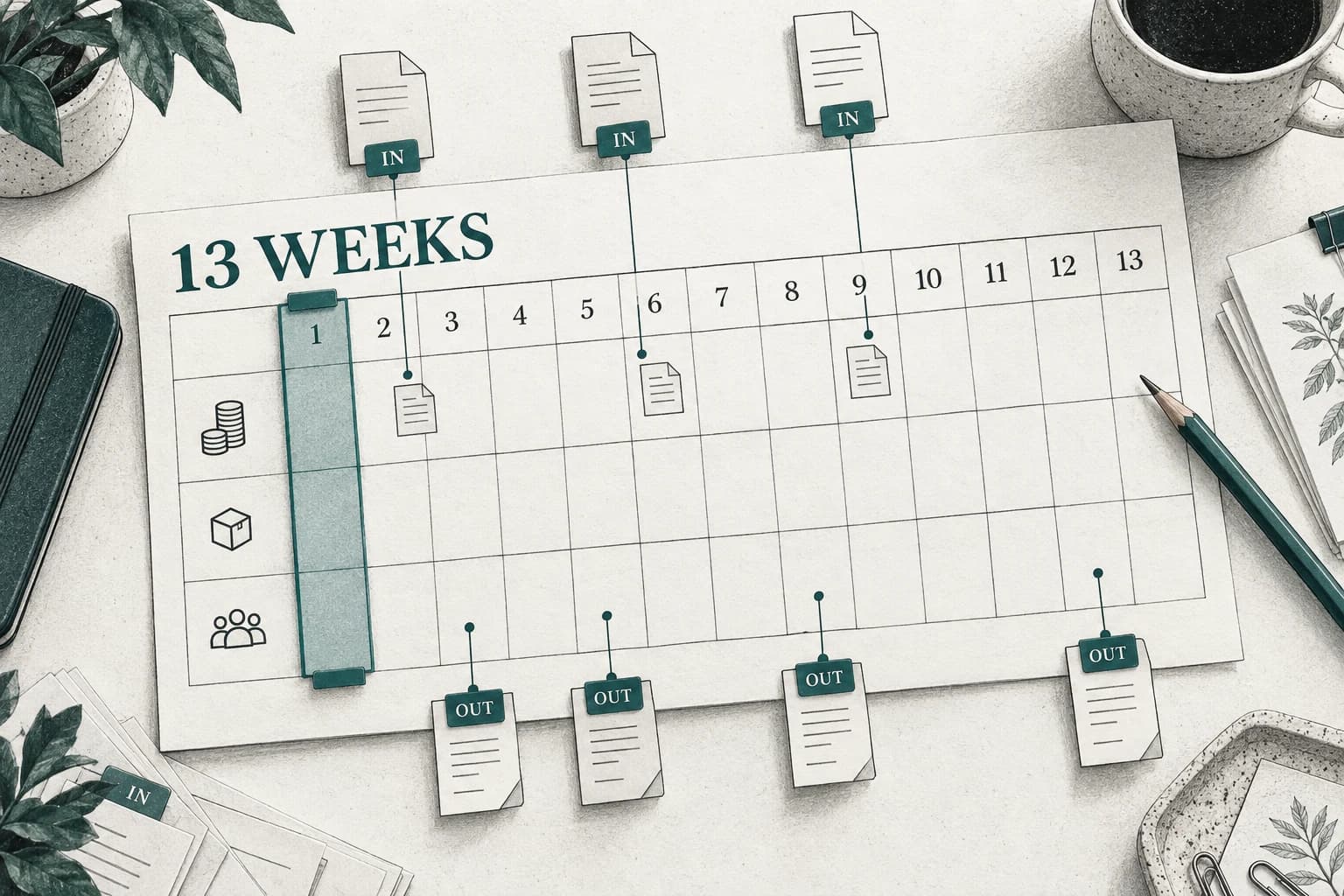
A useful thirteen-week cash flow forecast starts with the bank balance you can reconcile today, then records expected cash receipts and payments by week using the direct method. It separates committed items from assumptions, shows minimum headroom, and attaches management actions to clear trigger points. Update it every week, compare forecast with actual cash, and roll one new week onto the end. The forecast is not a promise of precision; it is a short-horizon control system for deciding when to collect, pay, pause, finance, or escalate.
Why thirteen weeks is a practical control horizon
Thirteen weeks is long enough to span a quarter, major payroll cycles, supplier terms, tax dates, debt payments, and many customer collection periods. It is short enough for teams to identify individual receipts and disbursements rather than relying entirely on broad accounting assumptions. In a volatile economy, that balance matters. A twelve-month budget may signal that the year is profitable while missing a cash low point next month. A daily forecast may offer detail but impose more maintenance than most SMEs can sustain.
The model serves several audiences without becoming a reporting exercise. Finance can plan payments and funding; sales can prioritize collections and understand the cash effect of deals; operations can phase purchasing; owners can see when a distribution or investment would reduce headroom. Lenders and investors may also use the forecast, but management should build it first for internal decisions. A model designed only to impress a provider is likely to hide the very risks the business needs to manage.
Start with a reconciled opening position
The first line should be cash that is genuinely available, not a ledger balance copied without review. Reconcile bank accounts, remove restricted cash, include overdraft usage correctly, and identify payments or receipts already in transit. Keep currencies separate until each position is understood, then translate for a group view using an explicit rate. If a facility has conditions or a reserve, show usable headroom rather than the contractual maximum. Small opening errors flow through all thirteen closing balances.
Define the scope in writing. Decide which entities, bank accounts, currencies, and facilities are included; whether intercompany transfers are shown gross or eliminated; and how uncertain taxes or owner transactions are treated. Set one cut-off time each week so the team works from the same bank position and subledgers. A forecast can be simple, but it must be internally consistent. Protect formula cells and assumptions, retain versions, and assign one accountable owner for consolidation.
Forecast receipts from evidence, not optimism
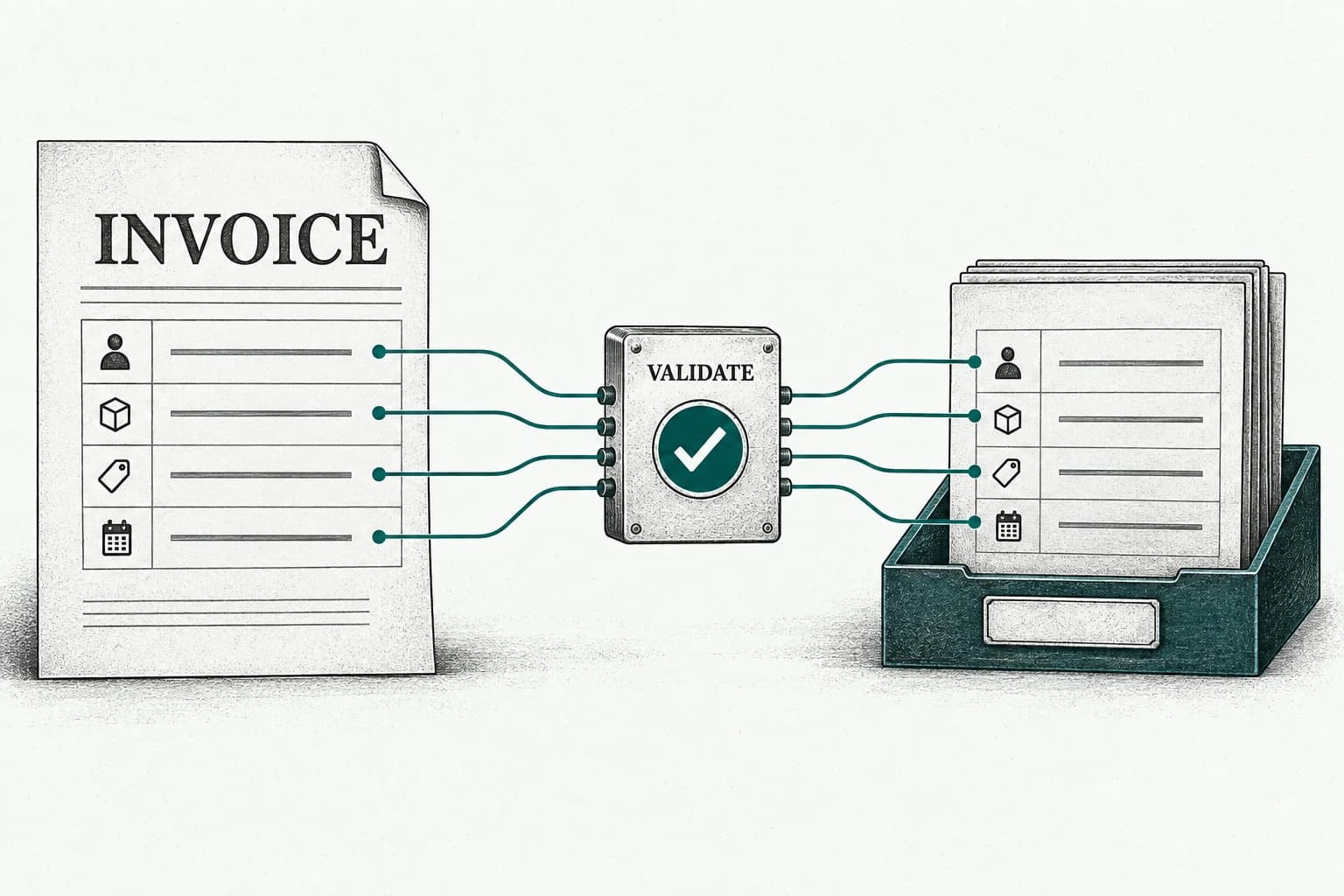
Build customer collections from invoice-level information where practical. Start with open receivables, contractual due dates, actual payment behavior, disputes, credit notes, retention, and customer-specific risk. For future sales, include only the portion expected to convert into cash within the horizon and distinguish contracted orders from pipeline. A signed order does not necessarily create a receipt if delivery, acceptance, invoicing, or customer approval occurs later. Ask account owners to confirm the largest and most uncertain items.
Use confidence categories without disguising them as mathematical certainty. Committed may mean the invoice is approved and the customer confirmed a payment date; probable may reflect a reliable pattern; speculative belongs in a scenario, not the base case. Keep one cash receipt in one row so it cannot appear in both receivables and forecast sales. For businesses collecting through marketplaces or payment processors, incorporate settlement lags, reserves, fees, refunds, chargebacks, weekends, and holidays.
Map payments by obligation and controllability
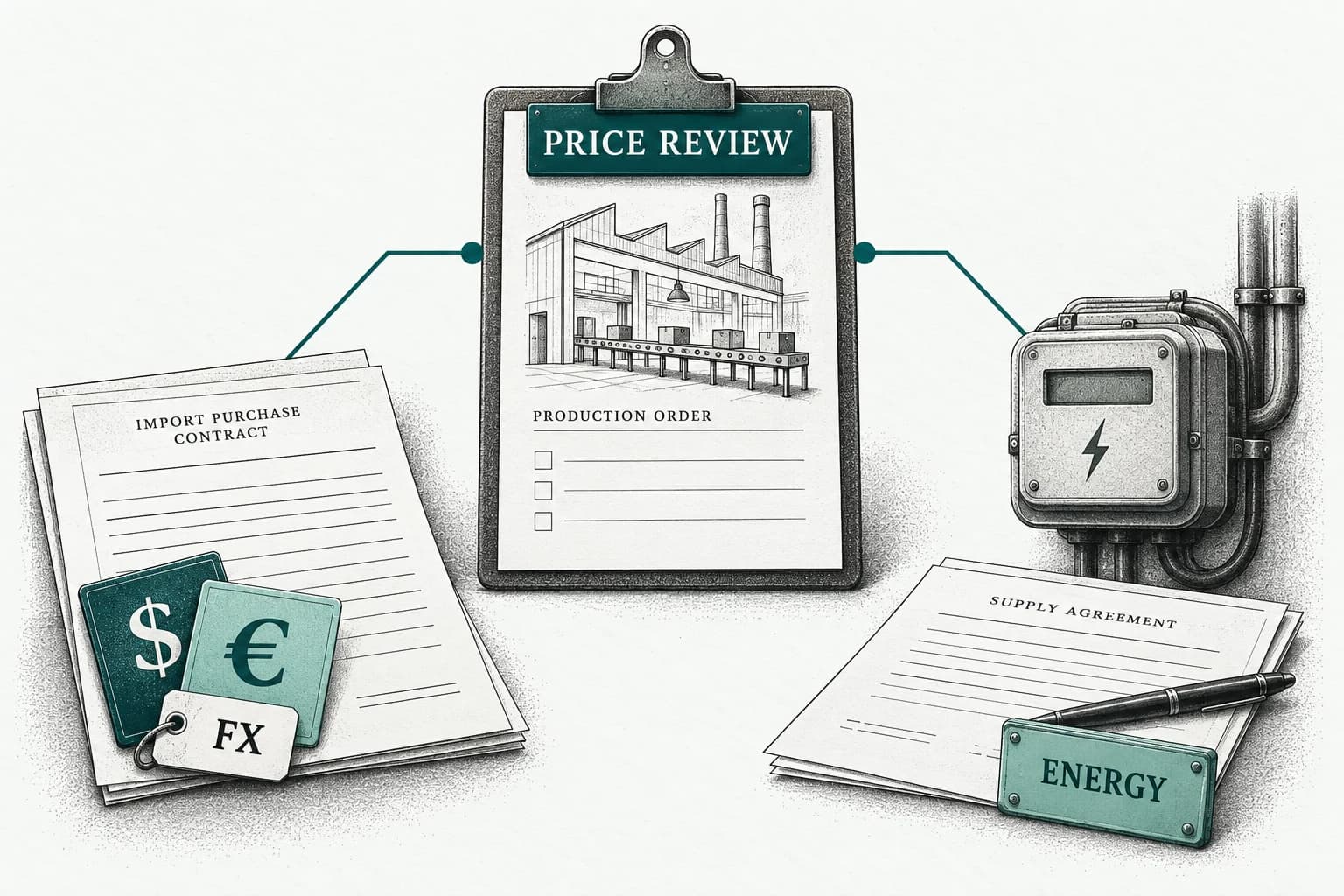
List payroll, taxes, rent, debt service, insurance, critical suppliers, routine operating costs, capital expenditure, and owner transactions. Use payroll registers, approved purchase orders, supplier statements, contracts, tax calendars, and debt schedules rather than last month divided by four. Account for payment runs and banking cut-offs. Where energy, freight, or foreign currency drives cost, state the price or exchange-rate assumption so it can be stressed without rewriting the model.
Classify outflows by how management can respond. Some payments are legally or contractually fixed; some can be negotiated; some can be paused; others may be essential to protect revenue or safety. This does not authorize delaying taxes, wages, or suppliers improperly. It makes tradeoffs visible before a crisis. Add an owner and latest decision date for material discretionary payments. A capital purchase scheduled for week seven may require a go or no-go decision in week four, not when the payment instruction is ready.
Build scenarios and action triggers
Create a base case grounded in current evidence, then change a small number of meaningful drivers. A downside case might delay the top five receipts, reduce new orders, raise a key input price, or move the exchange rate. An upside case should not simply add sales; it must include the inventory, payroll, tax, and working-capital cash needed to deliver them. Avoid dozens of cosmetic scenarios. The point is to identify which uncertainty changes the decision and how much time management has to act.
Link actions to thresholds. If minimum headroom falls below a defined buffer, accelerate collections, pause discretionary spending, renegotiate timing, reduce inventory purchasing, draw a committed line, or escalate a funding plan. Each action needs an owner, lead time, and realistic cash effect. Do not count the same saving twice or assume a lender will approve new finance instantly. Trigger-based management is more useful than a red cell with no agreed response.
Run the weekly forecast as a management rhythm
At the same time each week, import actual bank movements, reconcile variances, update assumptions, and add a new thirteenth week. Explain the largest timing and value differences: a customer paid late, payroll was higher, a supplier shipment moved, or tax was estimated incorrectly. Forecast accuracy improves when the accountable operational owner hears the variance, not when finance silently overwrites the next period. Keep an audit trail of material changes and decisions.
A concise weekly meeting should focus on minimum headroom, changes since last week, overdue receipts, critical payments, scenario movement, and actions due. Separate reporting from authorization: the forecast informs a payment decision but does not replace approvals or bank controls. Over time, measure accuracy by category and horizon. If week-one receipts are consistently optimistic, fix collection inputs; if week-ten costs are noisy, improve purchase-order visibility. The model becomes valuable through disciplined use, not spreadsheet complexity.
Connect the short horizon to longer decisions
The thirteen-week view should reconcile with, but not duplicate, the monthly budget and balance-sheet forecast. When the weekly model reveals a persistent gap beyond temporary timing, move the issue into the longer funding and profitability plan. When a strategic plan assumes rapid growth, use the weekly cash model to show the inventory, hiring, deposits, and collection delay needed to achieve it. The connection prevents a team from treating a structural funding requirement as a series of short-term payment problems.
Keep the bridge transparent. Explain differences in timing, scope, tax, financing, and non-cash items so owners can move from projected profit to projected cash. Review major assumptions with sales, operations, payroll, and tax owners. This shared process makes the forecast less dependent on one spreadsheet expert and more useful across regions where holidays, banking calendars, tax dates, or settlement practices differ.
If cash pressure becomes acute, do not use the model to conceal or selectively time information. Escalate early, protect accurate books, follow payment and director duties in the relevant jurisdiction, and obtain qualified restructuring or legal advice where necessary. Forecasting creates time for decisions; it does not remove obligations.
A compact dashboard can support the conversation: opening and closing cash, minimum headroom, committed facility availability, receipts due from the largest customers, overdue amounts, critical payments, and actions at risk. Keep each figure traceable to the model. Avoid decorative metrics that do not change behavior. The meeting should end with named actions and dates, not simply agreement that cash is tight.
Review access as carefully as formulas. Limit editing rights, use version history, protect bank information, and avoid distributing uncontrolled copies through email. A designated backup owner should be able to operate the process during absence. Periodically test formulas, currency translation, totals, and links so a technically broken workbook does not create false confidence during a time-sensitive decision. Record the completed checks visibly.
| Forecast line | Primary evidence | Control question |
|---|---|---|
| Opening cash and facilities | Reconciled banks and facility statements | How much is actually available? |
| Customer receipts | Aging, invoice status, order and settlement data | What must happen before cash arrives? |
| People and tax | Payroll registers and current statutory calendar | Which dates and estimates need confirmation? |
| Suppliers and operations | Statements, purchase orders, contracts | Which payments protect continuity or revenue? |
| Financing and investment | Debt schedules and approved capex | What decision is due before the cash date? |
| Closing headroom | Calculated cash plus usable facilities | Which threshold activates which action? |
Frequently asked questions
Should a thirteen-week forecast be accrual or cash based?
Use direct cash receipts and payments for the core model. Accrual reports remain important for profitability and balance-sheet control, but the weekly liquidity view should show when money is expected to enter or leave bank accounts.
How often should the forecast be updated?
Weekly is the usual minimum for a thirteen-week control process. A company under acute pressure may update critical weeks more frequently, while a stable firm may keep daily detail only for immediate payment planning. Maintain one agreed version and cut-off.
What is a good cash forecast accuracy target?
There is no universal percentage. Measure value and timing variances by category and forecast horizon, then focus on errors that change decisions. Consistent bias matters more than a single volatile week; an optimistic collections pattern deserves corrective action.
Sources
- World Economic Outlook Update, July 2026 — International Monetary Fund
- Annual Economic Report 2026 — Bank for International Settlements
- Financing SMEs and Entrepreneurs 2026: An OECD Scoreboard — OECD