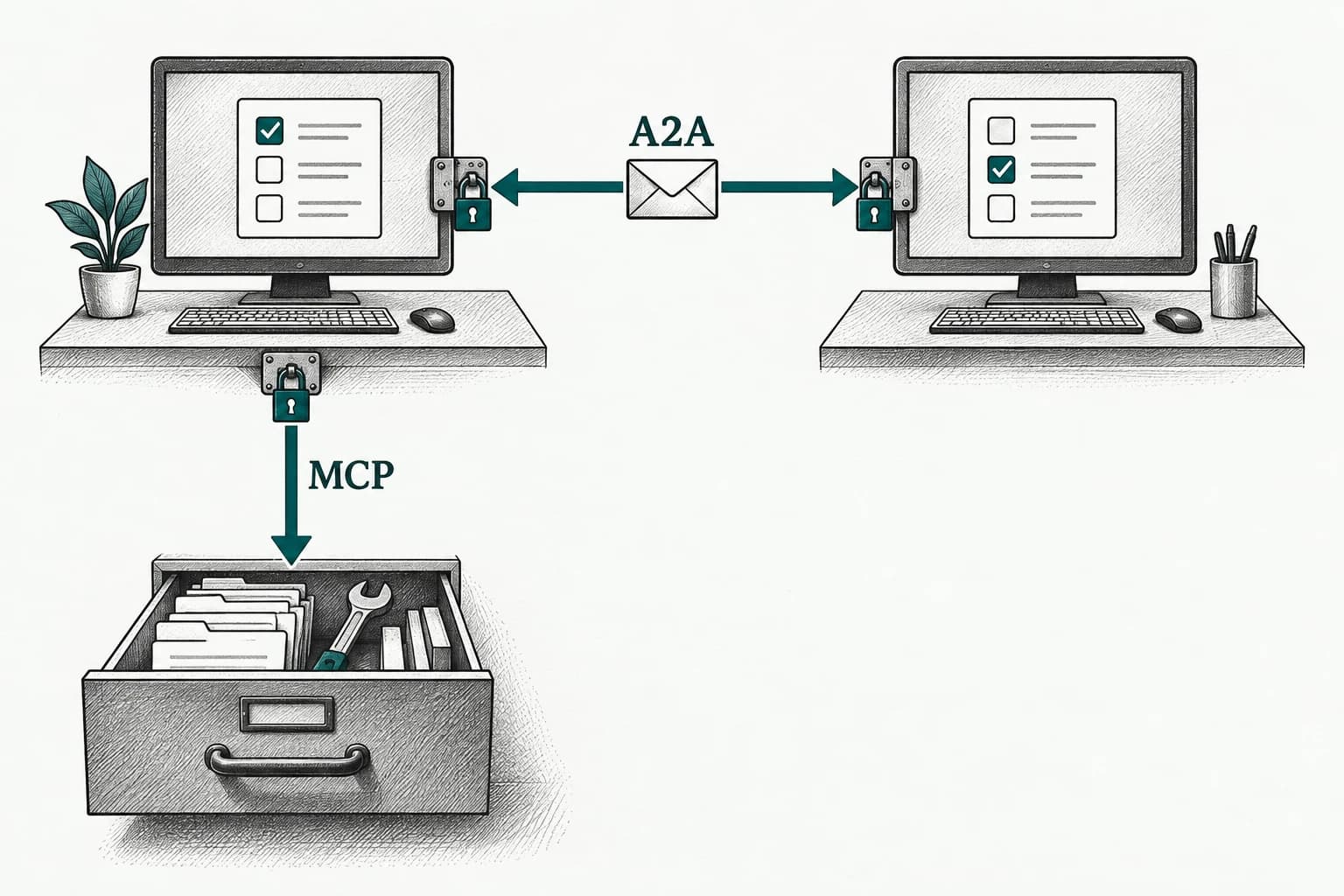
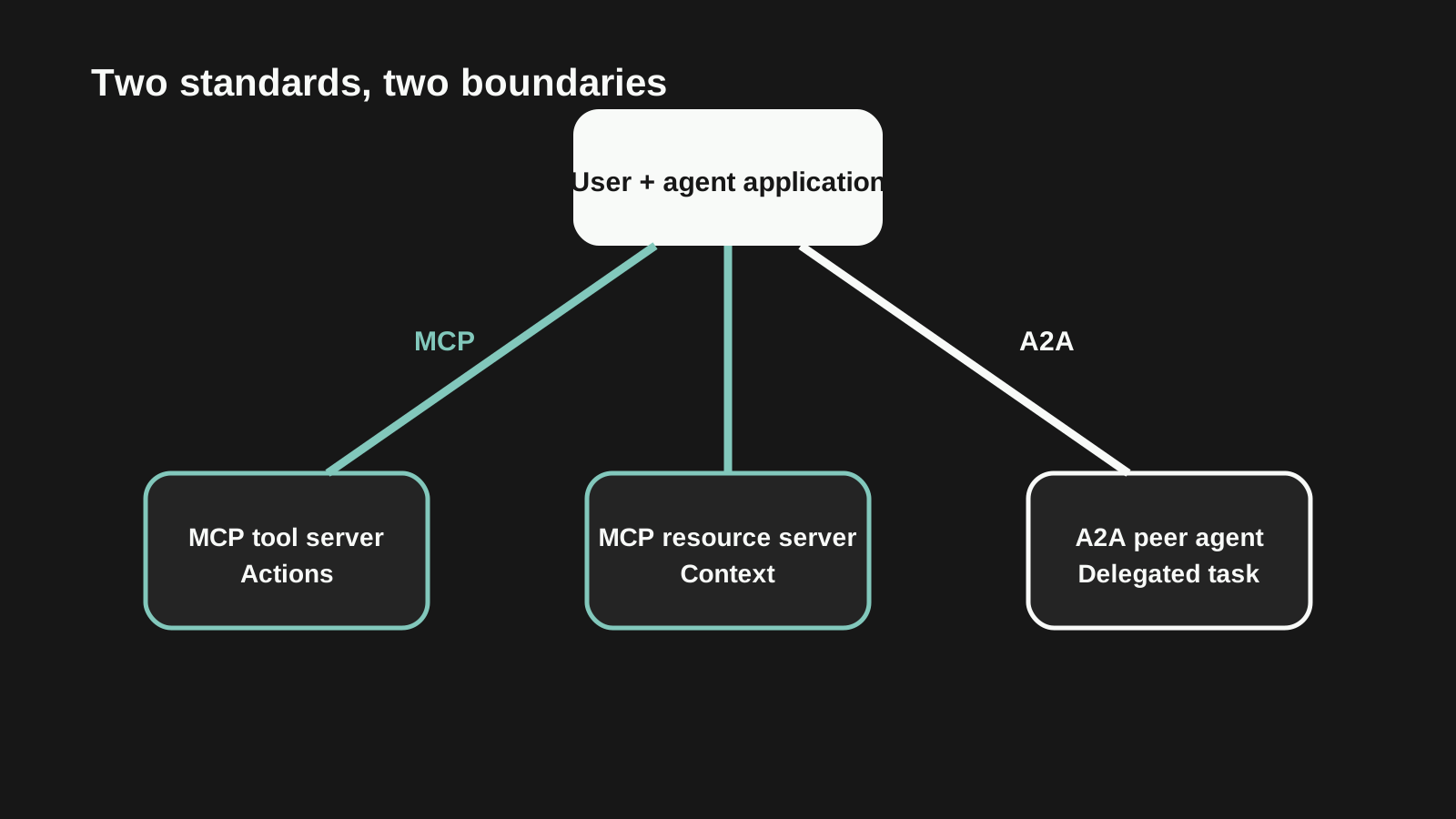
MCP and A2A solve different interoperability problems. Model Context Protocol, or MCP, gives an AI application a standard way to discover and use tools, resources, and prompts exposed by servers. Agent2Agent, or A2A, gives independent agent systems a way to advertise capabilities, exchange tasks, and communicate results. They can complement each other, but neither makes an agent trustworthy. SMEs still need authenticated identity, authorization, least privilege, input validation, data governance, approval, logging, rate limits, evaluation, and incident response around every connected capability.
Why protocols matter for business AI
Without standards, every model application needs custom integration with every database, SaaS product, internal API, and specialist agent. That increases development cost and makes switching difficult. A protocol defines common messages and discovery so components can interoperate without knowing every internal implementation. The benefit resembles other successful interface standards: teams can build adapters once, test a boundary, and replace components with less bespoke code.
Interoperability also increases the blast radius of weak controls. If one client can reach many standardized servers, a stolen credential or malicious instruction may travel farther. Open does not mean public, permissionless, safe by default, or appropriate for every use. Architecture must distinguish protocol compatibility from authorization to use a particular capability with particular data for a particular user.
MCP: applications connecting to capabilities
Anthropic introduced MCP as an open protocol for connecting AI assistants to systems where data and tools live. An MCP server can expose resources for reading context, tools for taking actions, and reusable prompts or related capabilities. A client inside an AI application discovers and calls them. This can reduce custom connector code and make the tool boundary explicit.
For an SME, an MCP server might expose approved product documentation, query a scoped analytics view, create a draft support ticket, or run a controlled calculation. It should not simply wrap an administrator API and hand every method to a model. Design each tool with a narrow name, typed parameters, validation, user context, authorization, predictable errors, and safe output. Separate read tools from write tools and production from testing.
A2A: agents coordinating with agents
A2A was developed for communication between independent agent systems and is now hosted as a Linux Foundation project. Conceptually, one agent can discover another agent’s declared capabilities, send a task, receive progress, and obtain a result without depending on the other agent’s internal model, memory, or tools. This boundary is useful when departments, vendors, or platforms operate separate agents.
A procurement agent might request a policy check from a compliance agent, or a customer-service agent might ask a logistics agent for an authorized delivery status. That communication needs organizational trust and contract design. The requesting agent should know which identity it contacted, what data it sent, what service level and policy apply, and how the response is validated. Agent-to-agent language is not a substitute for business authority.
How MCP and A2A can fit together
An agent application may use MCP to reach its own tools and context, then use A2A to delegate a bounded task to another agent. The remote agent may itself use MCP internally. The protocols can therefore occupy different layers. Architecture diagrams should show user, agent runtime, identity, policy enforcement, MCP clients and servers, A2A peers, data stores, business APIs, and audit paths rather than drawing one undifferentiated AI cloud.
Choose the simplest boundary. If a deterministic API call solves the problem, do not add an agent. If one application needs a local tool, MCP may be enough. If independently managed agent systems need task exchange, A2A may help. Avoid protocol adoption as a goal by itself. Define the business workflow, ownership, latency, reliability, security, and portability requirement first.
Secure identity, authorization, and data flow
Authenticate clients, servers, agents, users, and workloads. Authorize each operation against the real user and tenant context rather than trusting an agent’s claim. Use scoped short-lived credentials, network controls, encryption, secret management, rate limits, and allowlists. Validate types, lengths, destinations, and business rules outside the model. For external servers or agents, conduct vendor and data-processing review.
Treat descriptions and returned content as untrusted. A malicious server may advertise a misleading tool, return instructions, or attempt data exfiltration. A compromised agent may send an unsafe task. Pin or approve server identities, review capability changes, sanitize output for downstream use, and prevent tools from accessing secrets unrelated to the call. Require explicit human confirmation for consequential external actions.
Operate with observability and failure boundaries
Log requester, user context, server or agent identity, capability, parameters or safe references, authorization result, latency, cost, output status, approval, and downstream effect. Protect sensitive content and define retention. Correlate one business task across agent and tool calls. Without traceability, teams cannot investigate why a record changed or which external service saw data.
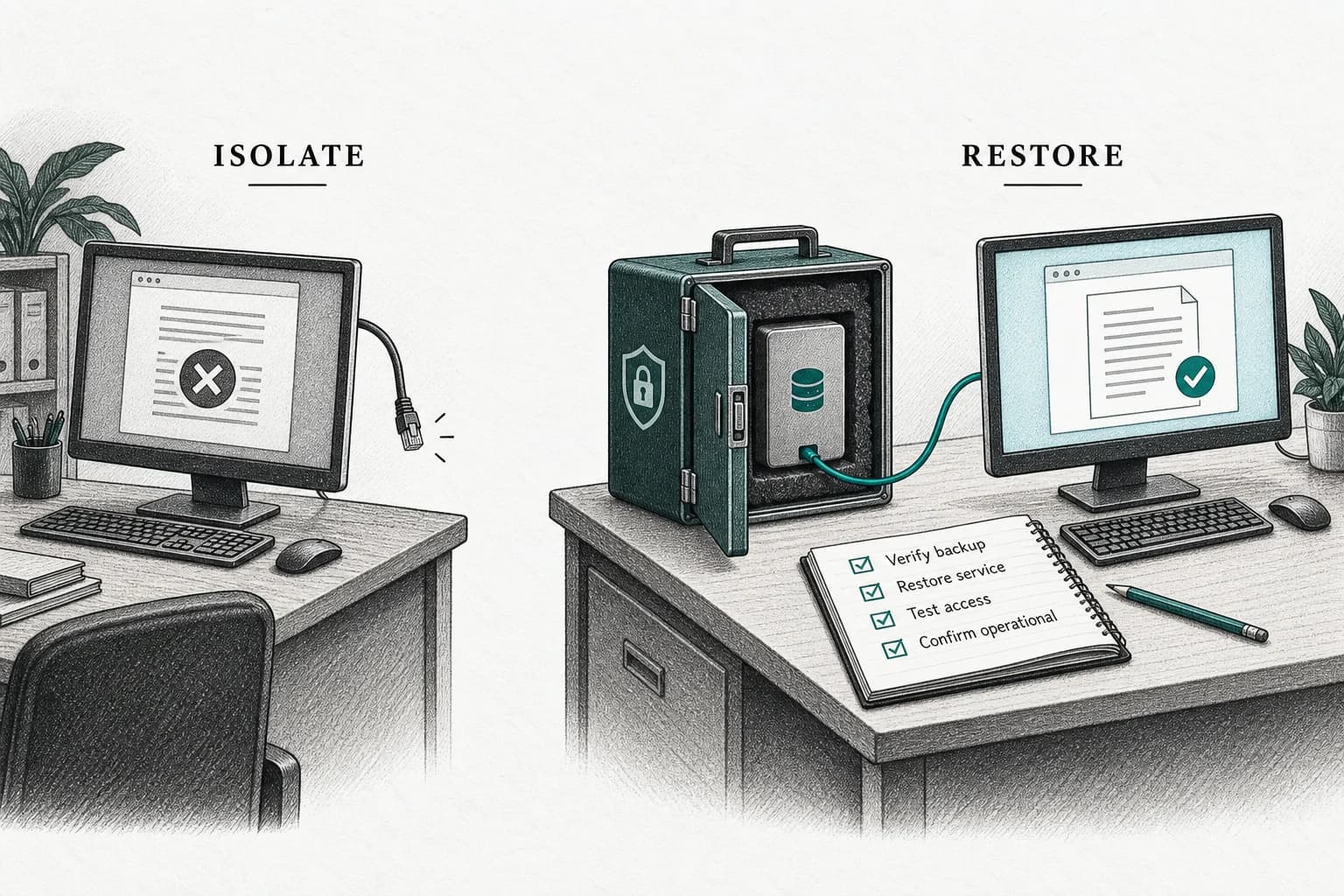
Define timeouts, retries, idempotency, duplicate prevention, cancellation, and partial failure. An agent should not repeat a purchase because a response was late. A server outage should produce a controlled fallback, not an endless model loop. Monitor capability drift and version compatibility. Test revoked access, malformed messages, unavailable dependencies, malicious content, and recovery before production use.
Adopt through a controlled interoperability pilot
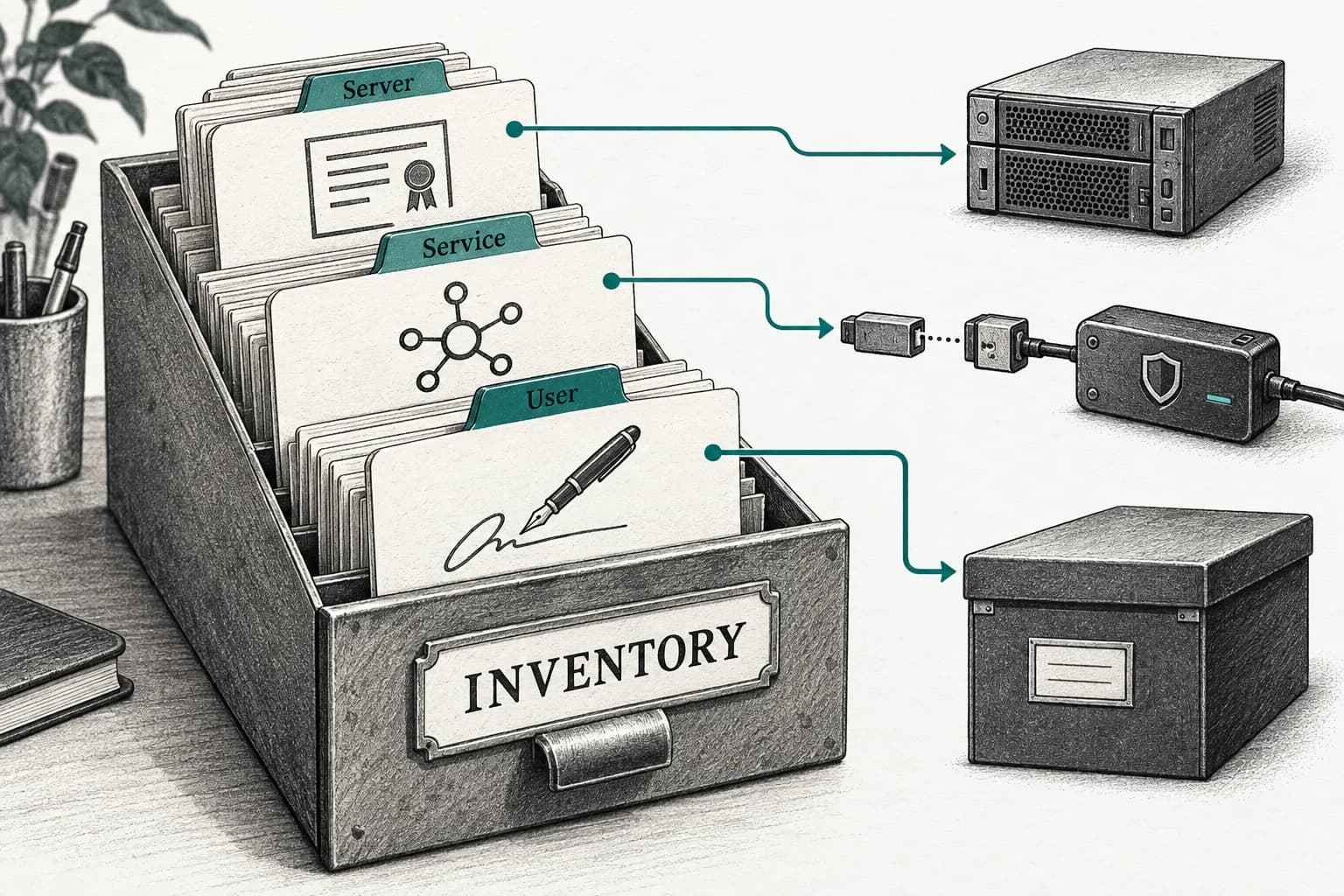
Start with one internal read-only capability and one well-defined user group. Document protocol implementation, identity, scope, data, threat model, tests, metrics, and exit. Compare it with a conventional integration for effort, portability, latency, support, and control. Add a draft-only write tool after the read boundary is stable. Keep an inventory of approved servers and agents and block arbitrary connections.
Review ecosystem maturity and official specifications at implementation time because protocols evolve. Open governance and foundation stewardship can reduce dependence on one vendor, but compatibility still depends on versions and implementations. Retain business data and policy outside the protocol layer. The durable asset is not a connector count; it is a controlled architecture in which components can change without losing identity, evidence, or responsibility.
Create a capability catalog written for both developers and risk owners. For each server or agent, list operator, purpose, version, data classes, methods, side effects, environments, identity, approval, rate limit, dependency, support, and owner. Require review before new capabilities become discoverable in production. Discovery should expose only what the authenticated context may use, not a global catalog of tempting high-privilege tools.
Test confused-deputy scenarios. An authorized agent may be tricked into using its privilege for a requester who lacks that authority, or a server may act on a claimed user without verification. Propagate authenticated context, enforce policy at the resource, and prevent the model from choosing or editing identity claims. Separate tenant and customer boundaries in every cache, log, callback, and result.
Review supply-chain risk. Pin dependencies and approved implementations, monitor security advisories, verify release provenance, scan code and containers, and restrict outbound network access. A protocol server is executable integration software, not a harmless prompt file. Sandboxing can reduce risk but does not replace authorization and data minimization. Remove abandoned servers and rotate their credentials.
Design usability for approval. Show a person which agent requested which capability, the exact parameters, affected account, data to be shared, expected result, and whether the action is reversible. Avoid repeated broad consent. For routine low-risk actions, a policy may permit bounded automation after evidence, while high-risk calls remain transaction-specific. Record the approval independently from the agent’s prose.
Keep protocol messages out of the public internet unless exposure is required and protected. Use private networking or gateways, authenticate every connection, restrict origins, and separate test from production. Validate callback destinations and prevent server-side request forgery. Rate-limit discovery and execution independently. A seemingly harmless resource read may still reveal internal names, schemas, or relationships useful to an attacker.
Establish change contracts between owners. A server team should notify clients before removing or redefining a capability; an agent provider should version task expectations and result schemas. Use contract tests and a compatibility environment. Do not depend on natural-language descriptions alone for critical fields. Typed schemas and deterministic validation make failures visible before a model invents a workaround.
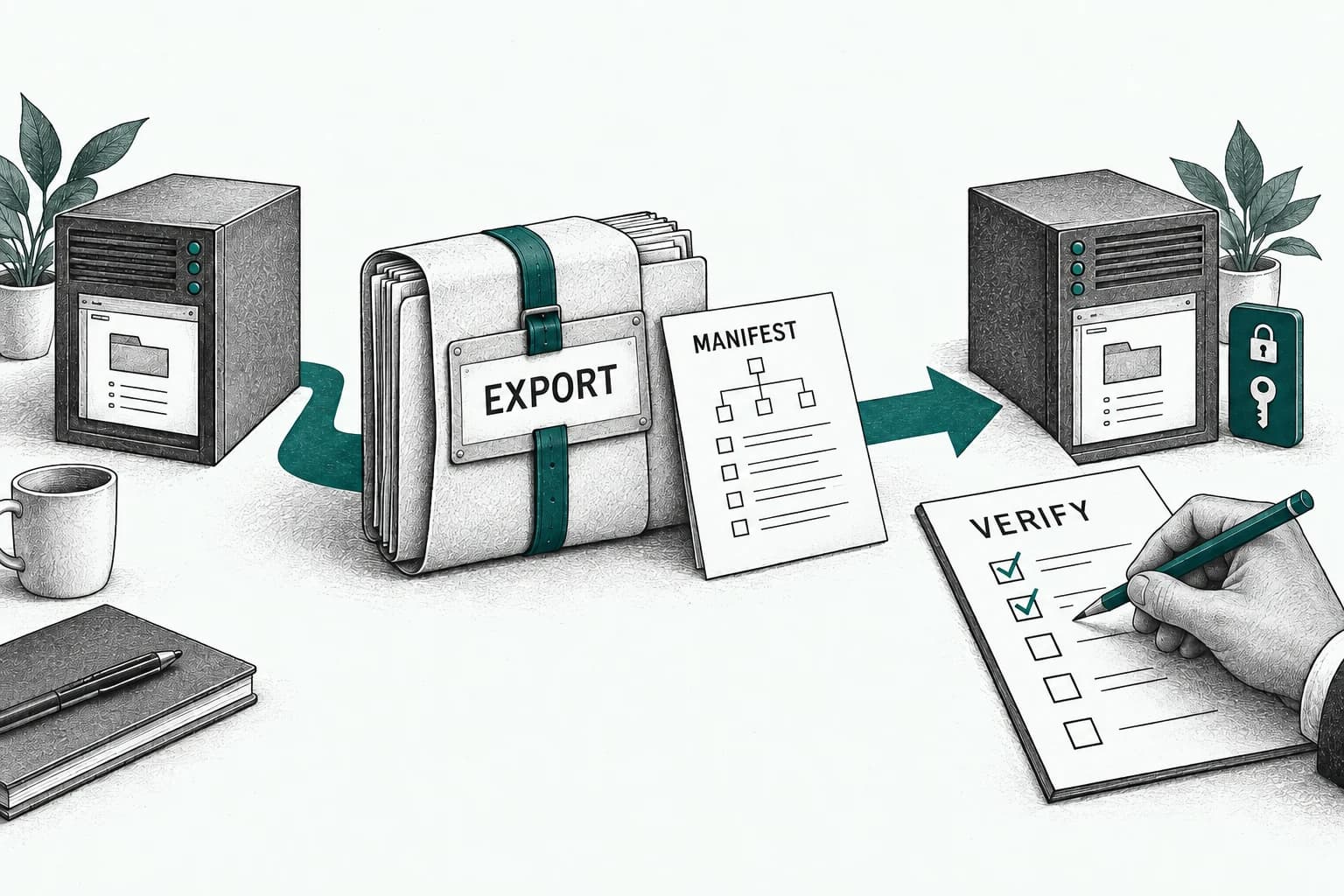
Finally, preserve an exit to direct APIs or manual operation for critical work. Protocol adoption should reduce coupling, not create a single gateway whose outage stops the company. Test data export, credential revocation, server replacement, and agent substitution. Document which semantics are business-specific so a technically compatible replacement does not quietly change approvals or outcomes.
| Question | MCP | A2A |
|---|---|---|
| Primary boundary | AI application to tools, resources, and context | Independent agent system to agent system |
| Typical use | Query a governed source or invoke a narrow tool | Delegate and track a bounded task |
| Does it grant authority? | No; authorization remains external | No; organizational authority remains external |
| Key risk | Overpowered or malicious tools and data exposure | Untrusted peer, task, result, or delegated action |
| Essential control | Identity, typed scope, validation, approval, logs | Peer trust, task policy, data limits, traceability |
Frequently asked questions
Is MCP an API replacement?
No. MCP can expose capabilities backed by APIs, files, databases, or other systems. Conventional APIs remain useful and often preferable for deterministic service-to-service work. MCP standardizes an AI-facing tool and context boundary.
Do SMEs need both MCP and A2A?
Usually not at first. Use the minimum architecture for the workflow. An internal assistant connecting to approved tools may use MCP only; A2A becomes relevant when independently operated agents need structured task exchange.
Are open protocols automatically secure?
No. Open specifications support review and interoperability, but each deployment still needs trustworthy implementations, identity, authorization, least privilege, validation, encryption, monitoring, approval, and incident response.
Sources
- Introducing the Model Context Protocol — Anthropic
- Donating the Model Context Protocol and establishing the Agentic AI Foundation — Anthropic
- Linux Foundation launches the Agent2Agent Protocol project — Linux Foundation
- Artificial Intelligence Risk Management Framework: Generative AI Profile — National Institute of Standards and Technology