Ransomware resilience means the SME can reduce initial compromise, limit attacker movement, detect harmful activity, make decisions under pressure, and restore essential services from trusted backups. Prioritize phishing-resistant MFA for email, cloud, remote access, backups, and administrators; patch exposed systems; remove unnecessary access; segment critical services; keep protected, immutable or offline backups; centralize useful logs; and rehearse a response with named leaders, technical support, legal advice, insurance, communications, law enforcement, and key suppliers. Recovery must be tested, not assumed.
Treat ransomware as a business interruption
Ransomware operations may steal data, disrupt systems, encrypt files, target backups, and pressure victims through extortion. The initial route can be stolen credentials, phishing, exposed remote services, unpatched software, a supplier, or administrator abuse. ENISA’s Threat Landscape 2025 analyzes 4,875 incidents from July 2024 through June 2025, providing current European context for a threat that crosses regions and sectors. An SME should plan for loss of systems and confidentiality, not only encrypted laptops.
Identify essential products and services, maximum tolerable outage, recovery time, recovery point, dependencies, manual workarounds, and responsible owners. Include identity, DNS, email, communications, finance, payroll, customer records, production, logistics, and backups. A technical inventory becomes a resilience plan only when it explains which business activity is restored first and how staff and customers operate meanwhile.
Strengthen identity and exposed services
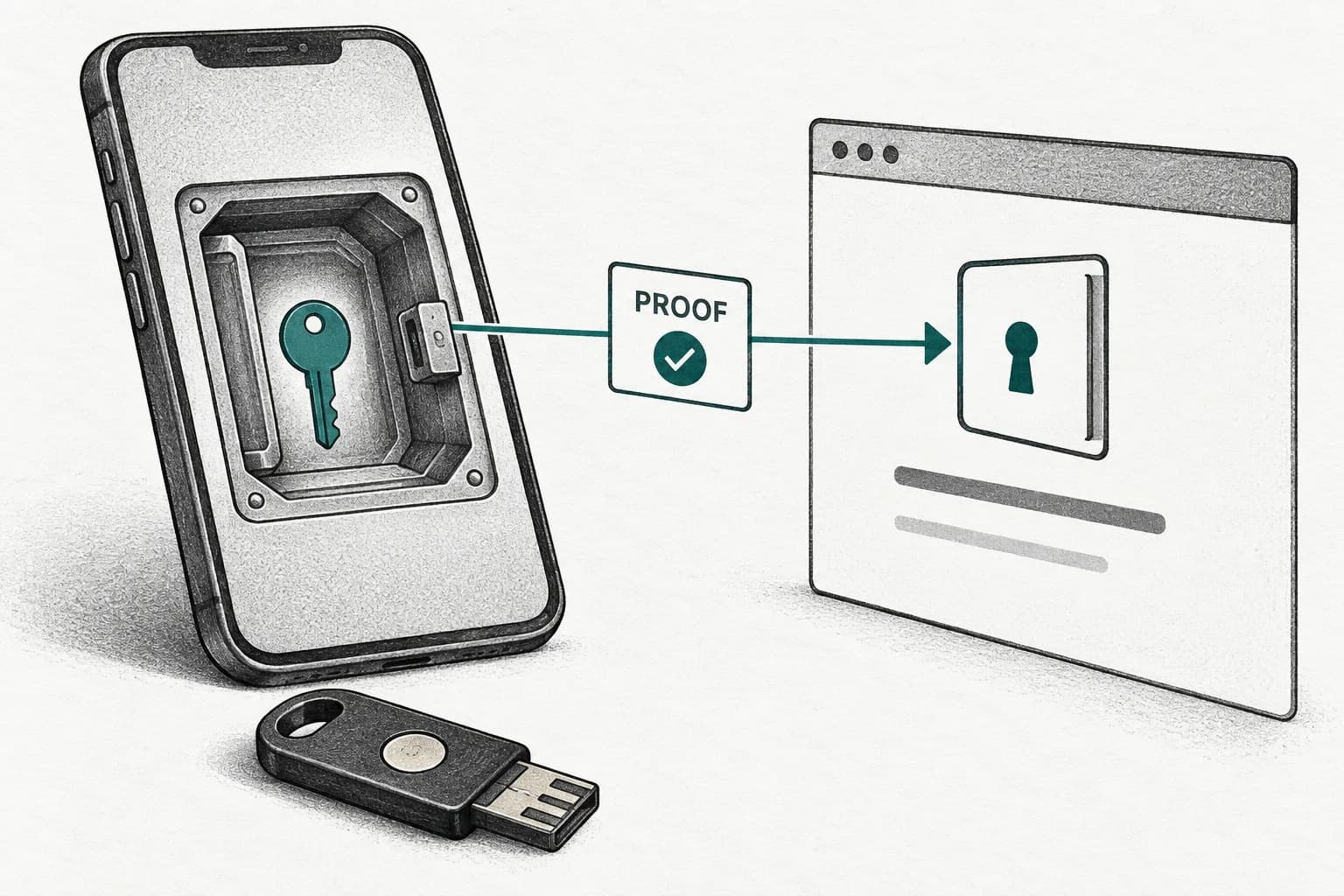
Require strong MFA—preferably phishing-resistant—for remote access, cloud administration, email, backups, code, and security tools. Disable legacy authentication, shared accounts, dormant users, and direct administrator use for ordinary work. Protect recovery and help-desk processes. Review privileges and service accounts, rotate exposed credentials, and alert on new administrators, MFA changes, forwarding rules, suspicious sign-ins, and disabled security controls.
Inventory internet-facing systems and remove what is unnecessary. Patch known exploited and critical vulnerabilities quickly under a defined process. Secure remote management behind controlled access, restrict source networks, and monitor attempts. Keep network devices, hypervisors, appliances, and backup software in scope; attackers often target infrastructure teams patch less visibly than employee laptops.
Design backups for an active adversary
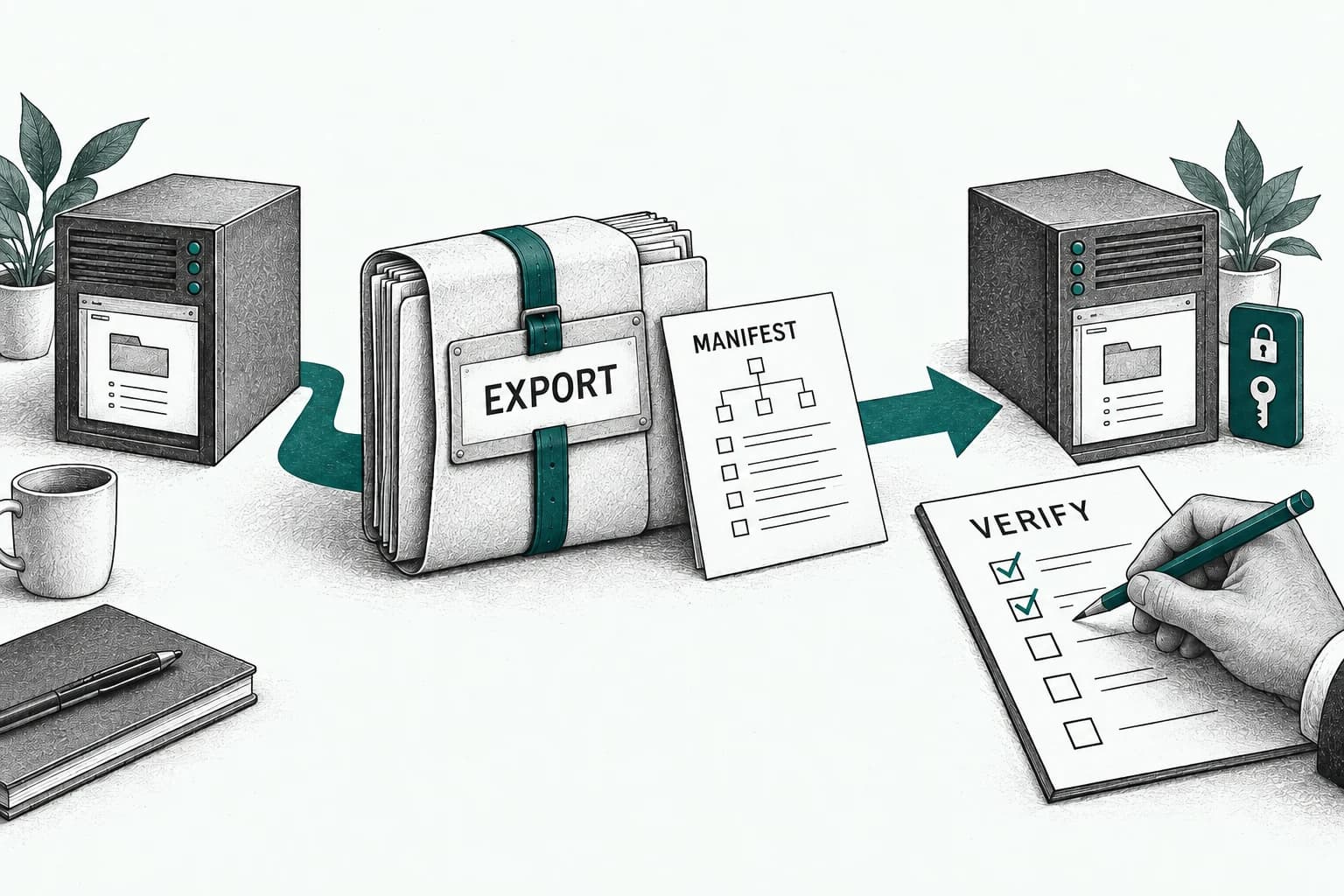
Use multiple backup copies with at least one protected from ordinary administrator credentials and production compromise. Immutability, offline media, separate accounts, write-once controls, and segmented management can help depending on architecture. Encrypt backups and protect keys. Back up configuration, identity, SaaS data, code, certificates, and documentation—not only file shares. Know which provider snapshots are backups and which share the same failure domain.
Test restoration regularly at file, application, and business-service levels. Verify clean infrastructure, dependencies, identity, permissions, data consistency, and time to restore. Record results and remediation. A completed backup job proves data was copied, not that the company can recover. Maintain a prioritized recovery runbook and an offline copy of contacts, architecture, licenses, credentials process, and decisions.
Limit spread and protect evidence
Segment users, servers, administration, backups, production, guest devices, and sensitive environments. Restrict east-west traffic and remote tools to what operations require. Use application control or endpoint protection appropriate to the environment. Separate administrator accounts and workstations. Limit access to shared drives and data so one compromised identity cannot encrypt everything it can see.
Collect logs that answer who authenticated, from where, what changed, which process ran, which data moved, and which security control was altered. Centralize identity, endpoint, firewall, DNS, cloud, email, backup, and critical application events with synchronized time and protected retention. Define alerts and investigation ownership. Logging every event without the ability to detect or retrieve it is cost, not resilience.
Prepare decisions and communications
Define incident commander, technical lead, business continuity, legal and privacy advice, insurer contact, communications, finance, HR, and executive authority. Record trusted contact channels outside company email. Understand policy conditions and panel providers before an incident. Establish who contacts law enforcement, regulators, customers, employees, banks, and suppliers based on qualified advice and applicable duties.
Do not promise that ransom payment restores data or prevents disclosure. Payment may create legal, sanctions, ethical, and operational issues and offers no certainty. Decisions require qualified legal and incident-response support. Preserve evidence and avoid destroying affected systems through uncontrolled rebuilding. Communications should be accurate, dated, approved, and updated as facts change without speculation.
Practice containment and recovery
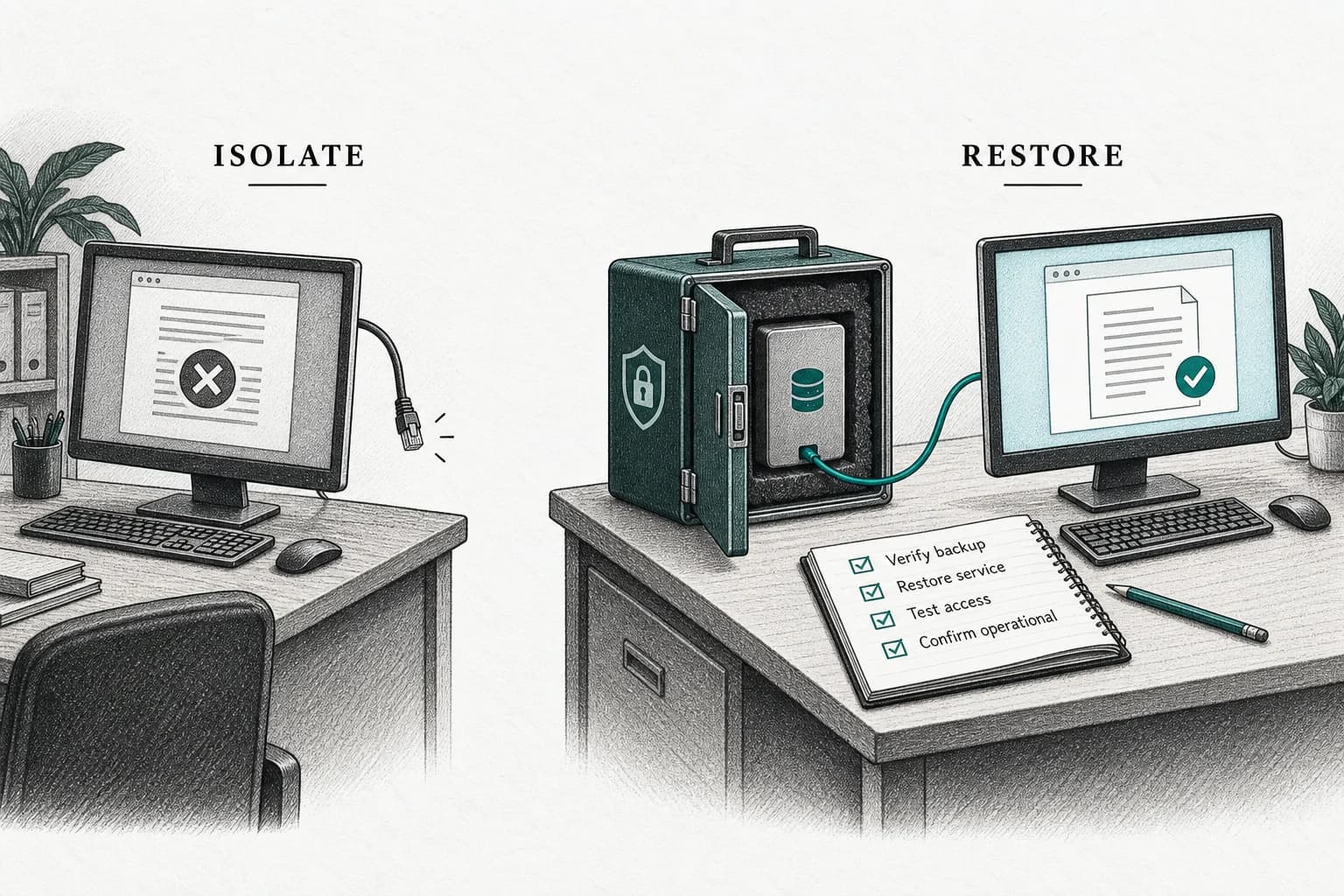
Rehearse a scenario in which email is unavailable, administrators are locked out, backups appear targeted, data may be stolen, and a critical supplier is also affected. Practice isolating systems, disabling credentials, invoking external help, preserving logs, prioritizing services, and operating manually. Include weekends, travel, and absent leaders. Record time and blocked decisions.
Recovery should rebuild from trusted images or environments, patch the entry path, rotate credentials and keys, verify data, monitor for persistence, and return services in controlled waves. Do not reconnect everything because one server works. Validate security, business function, reconciliation, and customer-facing behavior. Retain heightened monitoring and complete post-incident obligations.
Create a sustainable SME security rhythm
Review assets, exposed services, patches, backups, recovery tests, privileges, alerts, incidents, suppliers, and training on a defined cadence. Use current CISA and local authority guidance, managed providers where appropriate, and contracts that specify access, logs, response, backup responsibility, and notification. Verify provider work with evidence rather than assuming outsourcing transfers accountability.
Track a small set of outcomes: critical patch age, privileged accounts with strong MFA, protected backup coverage, restore-test success, alert investigation time, unsupported systems, and exercise actions closed. Improve the largest weakness first. Resilience is not a product purchase; it is the maintained ability to continue and recover while an attacker actively tries to remove that choice.
Manage suppliers as part of the attack surface. Inventory providers with privileged access, remote tools, backups, identity, customer data, or critical operations. Require named accounts, strong MFA, limited support windows, logging, incident notice, and offboarding. Review evidence and test contacts. A small vendor can be a legitimate dependency without receiving permanent administrator access to every environment.
Reduce data available for extortion. Apply retention schedules, delete obsolete copies, restrict sensitive repositories, encrypt appropriately, monitor unusual transfer, and control sharing links. Data minimization does not prevent encryption but can reduce confidentiality impact. Map notification and contractual duties in advance. Preserve clean records of what information existed and who could access it so investigation is not guesswork.
Keep finance involved. Incident response may require emergency procurement, external specialists, overtime, replacement equipment, communication, insurance evidence, and cash planning while normal systems are unavailable. Preapprove a controlled emergency authority with dual review and fraud safeguards. Attackers may impersonate responders or suppliers during confusion, so bank-detail verification and payment controls must remain in force.
After recovery, complete a blameless but accountable review. Confirm entry path, dwell time, affected identities, data access, control failures, decisions, costs, and remediation. Track actions to closure and retest. Replace temporary emergency settings, revoke accounts, rotate secrets, and update architecture. Returning systems to service is not the end if the conditions that enabled the incident remain.
Protect the response team from attacker observation. Assume compromised email or collaboration may be monitored. Use prearranged alternate communications and verify participants. Limit sensitive recovery details to those who need them. Attackers may use public statements or internal messages to adjust pressure, target customers, or imitate advisers. Coordinate factual communication through the incident commander and qualified counsel.
Include physical and operational technology where relevant. A compromised office network can affect access control, telephony, warehouse devices, manufacturing, building systems, or safety. Inventory dependencies and define safe shutdown and manual operations with specialists. Do not reconnect unmanaged devices to a rebuilt environment without assessment. Safety and regulatory requirements take priority over speed.
Know how to rebuild identity. If directory services, identity providers, certificate authorities, or administrator devices are compromised, restoring applications first can recreate trust in the attacker. Preserve protected configuration and recovery paths, define a clean-room process, and test privileged access. Rotate secrets in an order that avoids breaking recovery dependencies or leaving old access valid.
Exercise executive decisions, not only technical actions. Leaders should practice when to stop operations, invoke insurance, notify stakeholders, obtain emergency funds, bring in external responders, and approve restoration risk. Record decision criteria and delegations. A technically capable team can still lose critical time if authority is unavailable or commercial priorities conflict during the first hours.
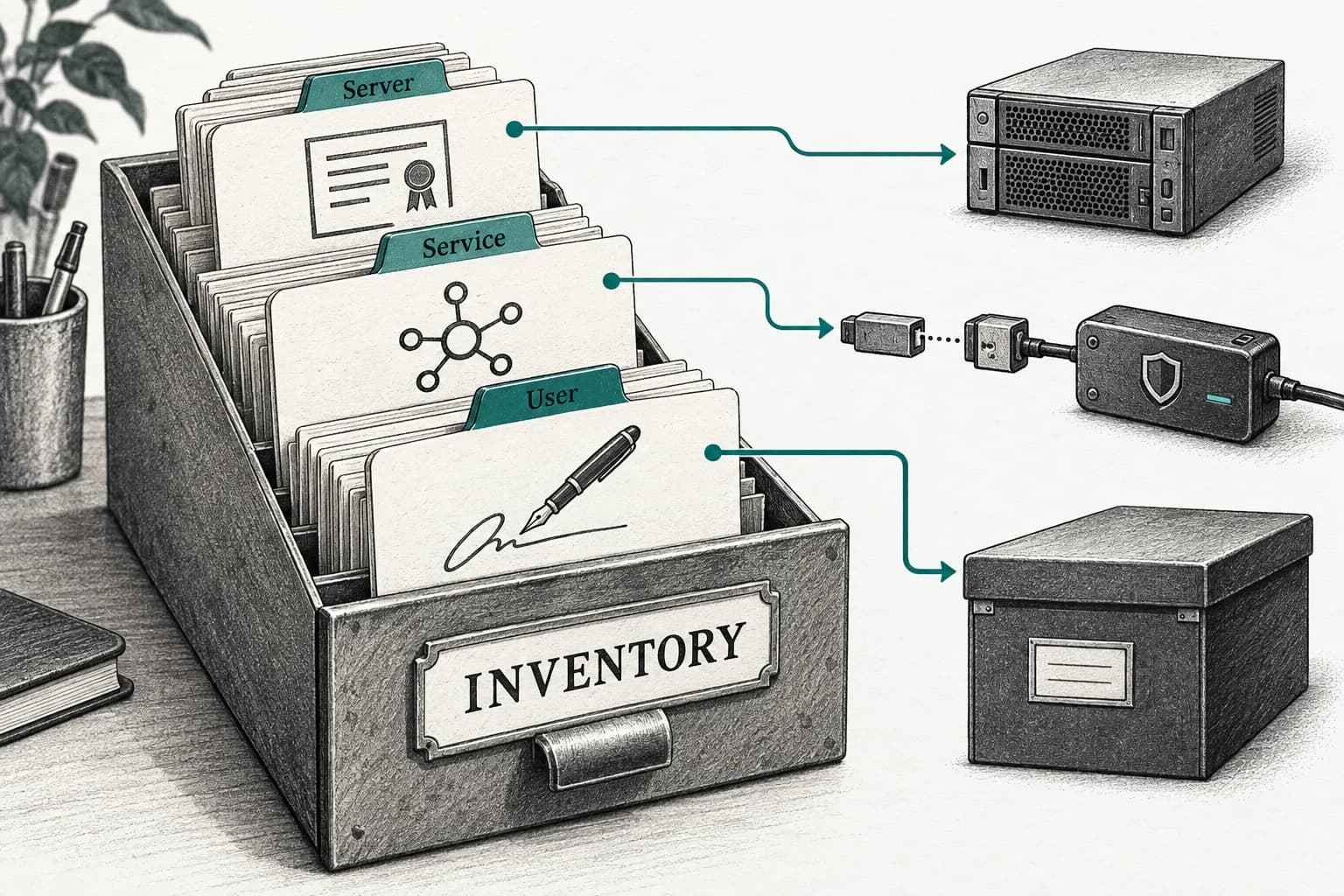
Maintain current asset and software inventories with ownership and support status. An unknown server cannot be patched or restored with confidence. Remove unsupported and abandoned systems, restrict unavoidable legacy assets, and plan replacement. Accuracy matters more than an impressive count: validate inventories against network, identity, cloud, purchasing, and operational evidence.
| Capability | Minimum evidence | Test |
|---|---|---|
| Identity | Strong MFA, separate admin, reviewed recovery and access | Compromised password and lost-device scenario |
| Exposure | Asset inventory, patch and remote-access controls | External scan and critical patch verification |
| Backups | Protected copies, keys, scope, retention | Timed clean restore of an essential service |
| Detection | Central useful logs, alerts, owner, retention | Trace a simulated suspicious account and data event |
| Response | Offline contacts, roles, legal and supplier routes | Tabletop with email and identity unavailable |
Frequently asked questions
Are cloud files automatically protected from ransomware?
Not necessarily. Synchronization can propagate deletion or encryption, and provider retention may not meet recovery needs. Understand versioning, backup responsibility, administrative separation, retention, export, and tested restoration for each service.
Should an SME pay a ransomware demand?
There is no guaranteed safe outcome. Payment can involve legal and sanctions issues and may not restore systems or prevent disclosure. Engage qualified legal, law-enforcement, insurer, and incident-response support immediately.
How often should backups be restored in a test?
Set frequency by business criticality and change rate. Test critical service restoration regularly and after major system changes, not only individual files. Record recovery time, data point, integrity, dependencies, and remediation.
Sources
- ENISA Threat Landscape 2025 — European Union Agency for Cybersecurity
- StopRansomware Guide — Cybersecurity and Infrastructure Security Agency
- Cyber Guidance for Small Businesses — Cybersecurity and Infrastructure Security Agency