
Why Cost-Cutting Isn’t Always the Smartest Move in Business
Discover why cost-cutting alone isn’t enough for business success and how smarter financial management and revenue strategies drive long-term growth.
4/16/20262 min read
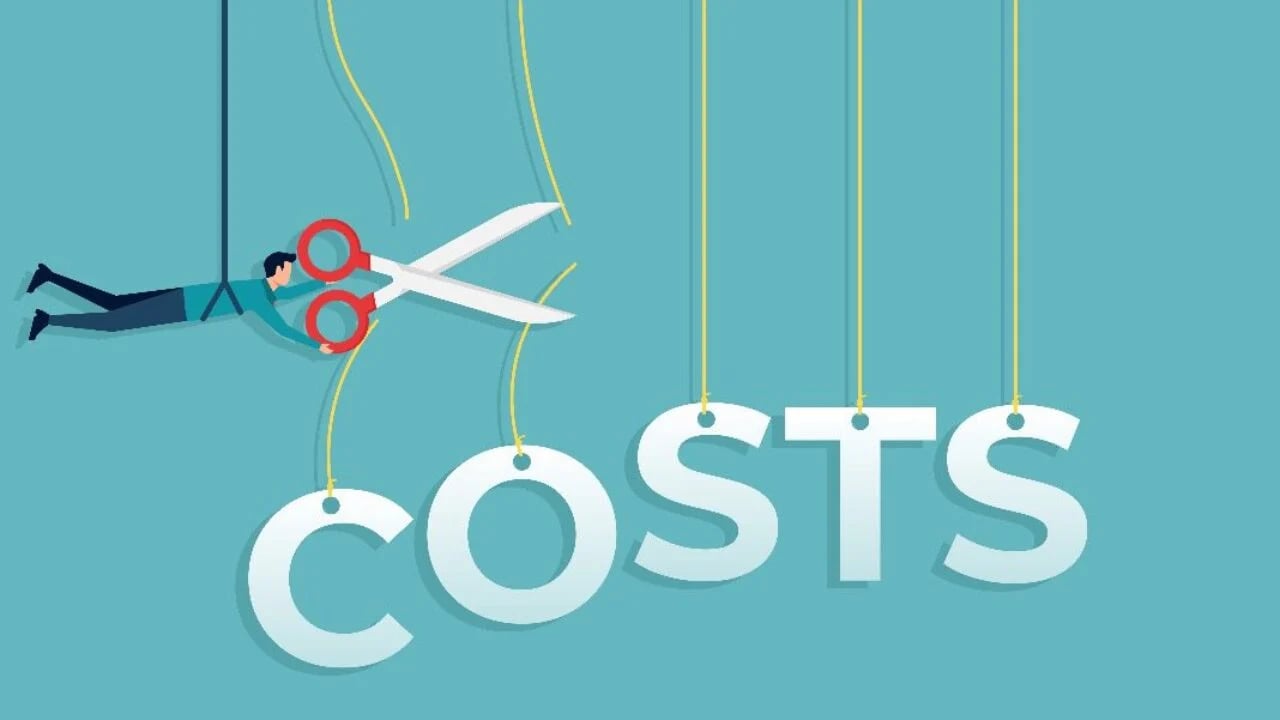
The First Reaction: Cut Costs
When businesses face pressure, lower revenue, tighter margins, uncertainty; the instinct is almost always the same:
Cut costs.
Reduce expenses. Pause hiring. Trim budgets.
It feels responsible. Safe. Logical.
But here’s the reality: cost-cutting alone rarely solves the problem and in some cases, it can make things worse.
The Problem With Aggressive Cost-Cutting
Cutting costs improves numbers quickly on paper.
But it often comes with hidden trade-offs.
Businesses may:
reduce capacity to deliver
weaken customer experience
slow down growth
lose competitive edge
In the short term, margins improve.
In the long term, performance can suffer.
Not All Costs Are Equal
One of the biggest mistakes businesses make is treating all costs the same.
In reality, there are two types:
1. Protective Costs
These keep the business running.
salaries
operations
essential tools
Cutting too deeply here can disrupt the business.
2. Growth Costs
These drive future revenue.
marketing
sales
product development
technology
Reducing these may improve short-term profit but limits future growth.
Why Revenue Strategy Matters More
Instead of focusing only on cutting costs, businesses should also ask:
How can we increase revenue?
Where are we underpricing?
Which areas have the highest margins?
Sometimes, improving pricing or sales efficiency has a bigger impact than reducing expenses.
The Hidden Cost of Playing Too Safe
Businesses that focus only on cost control often become reactive.
They stop investing.
They delay decisions.
They avoid risk.
Meanwhile, competitors continue to move forward.
Over time, this creates a gap that’s hard to close.
A Better Approach: Smarter Cost Management
This doesn’t mean ignoring costs.
It means being more strategic.
Instead of asking “What can we cut?”
Ask:
What is actually driving value?
What can be optimized instead of removed?
Where are we spending without clear returns?
This shifts the focus from reduction to efficiency.
The Role of Financial Visibility
Many businesses cut costs because they don’t have a clear view of their finances.
Without proper visibility, decisions are based on assumptions.
With clear data, businesses can:
identify unnecessary spending
protect high-impact investments
make balanced decisions
This is where structured financial reporting becomes critical.
When Cost-Cutting Does Make Sense
There are times when reducing costs is necessary.
For example:
removing inefficiencies
cutting redundant expenses
managing during short-term downturns
The key is to cut carefully, not aggressively.
The Balance Between Stability and Growth
Strong businesses don’t just control costs, they balance them with growth.
They:
manage expenses efficiently
invest in the right areas
monitor performance closely
adjust strategies based on data
This balance is what allows them to stay resilient.
It’s Not Just About Spending Less
Cost-cutting can help but it’s not a strategy on its own.
Sustainable businesses focus on:
improving efficiency
increasing revenue
maintaining financial visibility
Because long-term success doesn’t come from spending less.
It comes from spending smarter.