
Why Businesses Are Quietly Moving Toward Fractional Finance Teams
Discover why startups and SMEs are increasingly adopting fractional finance teams for flexibility, scalability, cost efficiency, and better financial visibility.
5/14/20262 min read
The Traditional Finance Department Is Changing
For years, businesses followed the same model:
Hire an accountant.
Build an internal finance team.
Scale the department as the business grows.
But that model is starting to change.
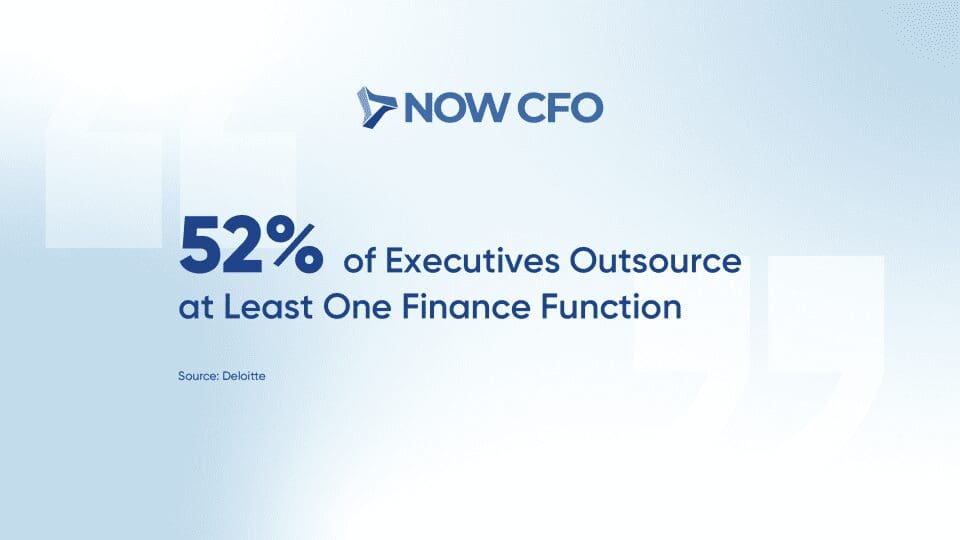
More companies, especially startups and SMEs are now moving toward fractional finance teams instead of relying entirely on full in-house departments.
And it’s happening faster than many people realise.
What Is a Fractional Finance Team?
A fractional finance team is essentially an outsourced or remote finance function that works as an extension of the business.
Instead of hiring multiple full-time employees internally, businesses gain access to:
accountants
finance managers
CFO-level support
tax specialists
reporting experts
…on a flexible basis.
The goal isn’t just reducing cost. It’s gaining expertise and scalability without building a large internal structure too early.
Why Businesses Are Shifting
The biggest reason is simple: Businesses want flexibility.
Markets are changing faster, operations are becoming more digital, and companies are under pressure to stay lean while still making smarter financial decisions.
Traditional finance structures often struggle to keep up with that pace.
The Cost Reality
Building a full internal finance team is expensive.
Salaries, recruitment, training, software, and overhead costs add up quickly, especially for growing businesses.
Many companies realize they don’t actually need:
a full-time CFO
multiple accountants
an entire finance department
What they need is:
reliable reporting
cash flow visibility
strategic financial insight
compliance support
That’s where fractional models become attractive.
Technology Has Changed Everything
Cloud accounting, automation, and remote collaboration tools have made finance far less location-dependent. Today, businesses can operate with:
real-time dashboards
remote approvals
cloud-based accounting systems
virtual finance teams across multiple regions
This has removed many of the limitations that once made traditional office-based finance departments necessary.
It’s Not Just About Saving Money
One misconception is that businesses use fractional teams only to cut costs. In reality, many companies move toward this model to gain:
specialized expertise
faster scalability
better reporting quality
stronger financial processes
A small internal team often can’t provide the same level of diverse financial support.
The Startup & SME Advantage
This model is particularly attractive for startups and SMEs.
Why?
Because growing businesses need strategic finance support before they can justify large internal teams. Fractional finance allows them to:
access experienced professionals early
stay compliant
improve financial visibility
scale operations gradually
Without overcommitting resources.
The Global Workforce Shift
There’s also a broader workforce trend happening globally.
Businesses are becoming more comfortable with:
remote operations
distributed teams
outsourced expertise
Finance is simply following the same direction. And in many cases, businesses now prefer agility over traditional structures.
What Businesses Still Need to Get Right
Fractional finance only works properly when there’s:
clear communication
strong systems
reliable processes
real-time visibility
Without structure, outsourcing finance can create confusion instead of efficiency.
The businesses benefiting most from this model are the ones that integrate finance strategically into operations.
Finance Is Becoming More Flexible
The future of finance departments is changing.
Instead of building large teams immediately, businesses are moving toward:
leaner operations
specialized support
scalable finance structures
And for many companies, fractional finance is becoming the smarter middle ground between basic bookkeeping and a fully built internal department.
Because today, businesses don’t just need finance teams.
They need finance functions that can adapt as fast as the business itself.