
Saudi Arabia’s E-Invoicing Phase 2: What Businesses Still Get Wrong
Learn what Saudi Arabia’s e-invoicing Phase 2 (ZATCA) requires, common compliance mistakes, and how businesses can stay aligned and avoid penalties.
4/29/20262 min read
It’s Not New: But It’s Not Fully Understood Either
By now, most businesses in Saudi Arabia are aware of e-invoicing.
Phase 1 (Generation Phase) introduced the basics.
Phase 2 (Integration Phase), led by ZATCA, is where things become more serious.
And in 2026, we’re seeing a clear pattern:
Businesses are compliant on paper but not fully aligned in practice.
What Phase 2 Actually Requires
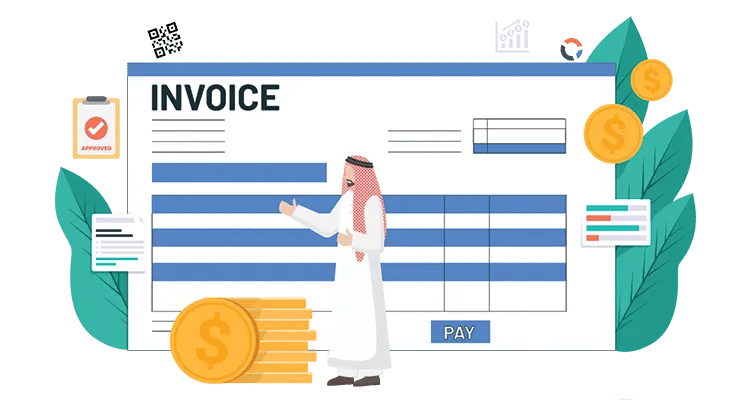
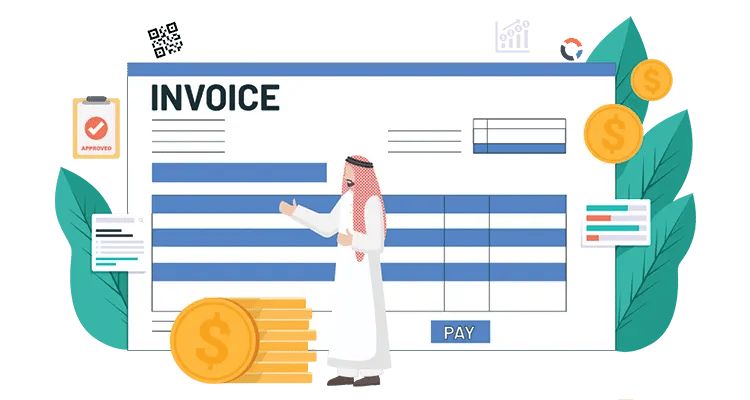
Phase 2 of e-invoicing (FATOORAH) isn’t just about generating invoices digitally.
It requires:
integration with ZATCA systems
real-time or near real-time invoice reporting
structured formats (XML)
QR codes and mandatory fields
secure and tamper-proof systems
This shifts e-invoicing from a simple process to a technology-driven compliance framework.
The Common Misconception
Many businesses believe: “We’re already issuing electronic invoices, so we’re compliant.”
But issuing a PDF or using accounting software is not enough.
True compliance requires:
system integration
proper data structuring
continuous reporting
Without this, businesses risk falling short even if their invoices look correct.
Where Businesses Are Struggling
Despite awareness, several gaps still exist.
1. Partial System Integration
Some businesses rely on tools that are not fully integrated with ZATCA. This creates inconsistencies and reporting risks.
2. Data Quality Issues
Incorrect or incomplete invoice data can lead to rejection or compliance flags.
3. Manual Workarounds
Using manual processes alongside automated systems defeats the purpose — and increases error risk.
4. Lack of Ongoing Monitoring
Compliance is not a one-time setup. It requires continuous checks and updates.
Why This Matters Now
ZATCA is rolling out Phase 2 in waves.
As more businesses are brought into the system, enforcement is becoming more structured.
This means:
higher scrutiny
fewer leniencies
increased penalties for non-compliance
What was previously flexible is now being standardized.
The Bigger Impact on Businesses
E-invoicing is not just a compliance requirement. It’s changing how businesses operate. With real-time reporting:
financial transparency increases
audit trails become stronger
discrepancies are easier to detect
For businesses, this means finance functions need to be more organized and reliable than before.
The Opportunity Behind Compliance
While many see e-invoicing as a burden, it also brings advantages. Businesses that implement it properly benefit from:
faster invoicing cycles
reduced errors
better financial visibility
improved operational efficiency
In many cases, it actually simplifies processes once fully integrated.
What Businesses Should Be Doing Now
To stay ahead, businesses should focus on:
ensuring full system integration
reviewing invoice data accuracy
reducing manual intervention
regularly testing compliance processes
More importantly, they should treat e-invoicing as part of their financial strategy, not just a technical requirement.
A Shift Toward Digital Compliance
Saudi Arabia is rapidly building a fully digital tax environment. E-invoicing is a major step in that direction.
For businesses, this signals a broader shift: Compliance is becoming automated, real-time, and data-driven.
It’s Not About Setup, It’s About Readiness
Many businesses have “implemented” e-invoicing. Fewer have truly adapted to it.
The difference lies in how well systems, processes, and teams are aligned.
Because in 2026, compliance in Saudi Arabia is no longer about ticking boxes. It’s about being fully prepared for a digital financial ecosystem.