
Cash Flow vs Profit: Why Profitable Businesses Still Run Out of Money
Learn the difference between cash flow and profit, and why profitable businesses can still face cash shortages without proper cash flow management.
4/14/20262 min read
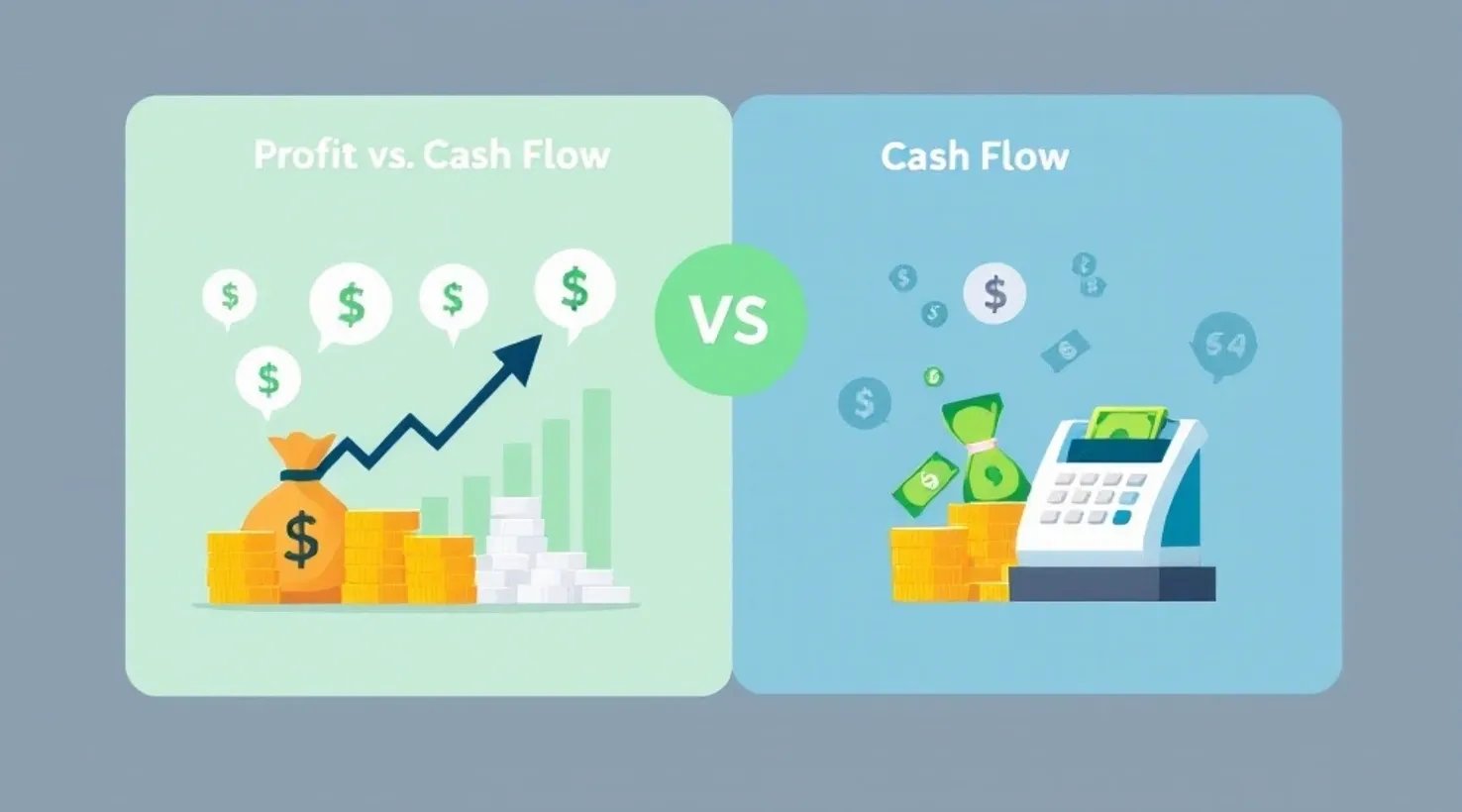

Profit Looks Good – Until Cash Runs Out
One of the most common misconceptions in business is that profit equals financial health.
On paper, a business can be profitable, showing strong revenue and healthy margins and still struggle to pay salaries, suppliers, or rent.
This usually comes down to one thing: cash flow.
Understanding the difference between cash flow vs profit is critical for any business, especially in uncertain markets where timing matters just as much as performance.
What Is Profit?
Profit is what’s left after you subtract expenses from revenue.
There are different types of profit:
Gross profit → revenue minus direct costs
Net profit → what remains after all expenses
Profit tells you whether your business model is working.
But it doesn’t tell you whether you actually have cash available.
What Is Cash Flow?
Cash flow is the movement of money in and out of your business.
It focuses on:
when money is received
when money is paid
how much cash is available at any given time
A business can be profitable on paper but still face cash shortages if inflows and outflows are poorly timed.
Why Profitable Businesses Still Run Out of Cash
This is where things get interesting.
Here are some common reasons:
1. Late Customer Payments
You’ve made the sale but haven’t received the cash yet.
Meanwhile, expenses still need to be paid.
2. High Upfront Costs
Businesses often pay suppliers or invest in inventory before generating revenue.
This creates a gap between spending and earning.
3. Rapid Growth
Growth sounds positive, but it can put pressure on cash.
More sales often mean:
more inventory
more staff
more operational costs
Without proper planning, growth can strain cash flow.
4. Poor Cash Flow Management
Even profitable businesses can struggle if they don’t actively track and manage cash movements.
Why This Matters More Today
In today’s environment, timing is everything.
With rising costs, longer payment cycles, and market uncertainty, cash flow management has become more important than ever.
Businesses that focus only on profit often miss early warning signs.
Key Differences: Cash Flow vs Profit
Here’s a simple way to think about it:
Profit shows performance
Cash flow shows liquidity
You need both.
A business without profit isn’t sustainable.
A business without cash isn’t operational.
How to Improve Cash Flow
The good news is that cash flow can be managed with a few practical steps.
Track Cash Flow Regularly
Don’t wait until the end of the month. Even weekly tracking can provide better visibility.
Tighten Payment Cycles
Encourage faster payments by:
setting clear payment terms
sending invoices promptly
following up consistently
Manage Expenses Carefully
Review outgoing payments and identify areas where spending can be controlled.
Use Forecasting
Cash flow forecasting helps anticipate shortages before they happen. This allows businesses to plan ahead instead of reacting late.
The Role of Financial Visibility
Most cash flow issues don’t happen suddenly. They build over time but go unnoticed due to lack of visibility.
Clear reporting and consistent tracking can help businesses stay ahead of potential problems.
Final Thoughts: Profit Is Not Enough
Profit is important, but it’s only part of the picture.
Cash flow is what keeps the business running day to day.
Understanding the difference between cash flow and profit allows businesses to make better decisions, avoid unnecessary stress, and build more stable operations.
Because at the end of the day, a profitable business without cash is still at risk.